
Solution Spotlight: Rethinking homeownership models to build generational wealth

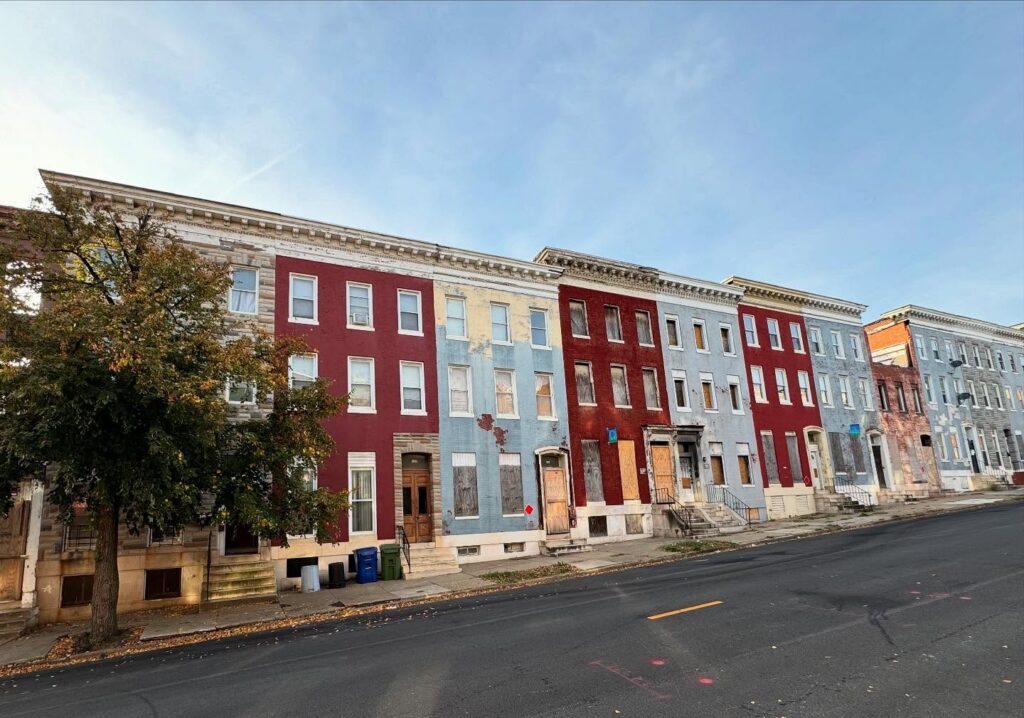
In many cities, the homeownership gap reflects not a shortage of aspiring buyers, but the long erosion of affordable homes for sale. In communities shaped by redlining, population loss, and decades of systemic neglect, the problem is often twofold: homeownership remains financially out of reach for many families, and the supply of high-quality, affordable homes has been hollowed out. In some neighborhoods, that dysfunction is compounded by hypervacancy, where abandoned or uninhabitable properties sit empty for years, dragging down surrounding values even as would-be buyers struggle to find homes they can realistically purchase.

NationSwell’s Solution Spotlight series is designed to surface the most innovative and promising (or proven!) initiatives and approaches that are creating results. Each installment offers a closer look at a unique, impact-driven model — how it works in practice, how it was brought to bear, and what it reveals about building durable change. Sourced from within the NationSwell community, the series aims to surface what’s working, why it matters, and how it can be adapted or scaled.

This feature spotlights two models that both show how reinvestment in overlooked areas can unlock exciting new opportunities for homeownership (and avoid the displacement of communities who have lived in those neighborhoods for decades.) 

Parity Homes — created and run by Bree Jones in West Baltimore — has stepped in to fill that gap by rebuilding not just individual homes, but also by rethinking the conditions that make ownership possible in the first place. 

And in Springfield, Massachusetts, the City of Homes Initiative — led by Way Finders and supported by MassMutual Foundation — is advancing a policy-driven pathway that transforms long-blighted properties into affordable homeownership opportunities for working families. 

More on both below…


Parity Homes: Rebuilding homes and markets in West Baltimore

“What we do in simple terms is we create both the supply and the demand to jumpstart housing activity in collapsed markets through social capital.— Bree Jones, Founder & CEO, Parity Homes
The Problem: Dysfunctional housing markets
In historically Black neighborhoods like those in West Baltimore, homeownership barriers aren’t driven by overheated demand, but by long-term market disinvestment. Thousands of homes sit vacant or uninhabitable due to decades of redlining, urban renewal, and predatory lending that displaced residents and restricted the flow of capital into Black neighborhoods. Legacy residents are often left with devalued homes and overdue maintenance, while new buyers have few affordable and livable options. Traditional housing markets — and financing systems — struggle to operate effectively in this context.

For individual buyers, the perceived risk of being “first” — moving onto a block without confidence that neighbors, services, or investment will follow — further suppresses demand, even where interest in homeownership exists.

The Solution: Community building for market revival
Founded in 2020, Parity is a development company and community-building model designed to address both sides of this problem at once. The organization acquires clusters of vacant properties, renovates them to a high standard, and pre-sells homes to cohorts of buyers — often friends, family members, or existing social networks — who move onto a block together.

By anchoring demand in trusted relationships rather than isolated individual buyers, Parity reduces the social and financial risk of moving into disinvested neighborhoods, helping buyers feel confident that they are not entering a block — or market — alone. Rather than treating homeownership as an individual leap of faith, Parity treats it as a coordinated act of collective entry which contributes to stronger community relations and richer social capital.

On the buyer side, Parity guides participants through a readiness program that prepares them financially, emotionally, and mentally for homeownership. On the community side, it supports legacy residents through key partnerships with organizations like the SOS Fund which connects residents with anti-displacement resources that help them address deferred maintenance and lock in property taxes as values rise.

Why it’s Different: Parity treats social capital as the primary catalyst for market revival. Rather than marketing homes to individual buyers in isolation, the organization intentionally assembles cohorts of prospective homeowners from existing social networks, guiding them through the buying process together. 

Parity recruits buyers through referrals, community outreach, and trusted relationships, then moves cohorts through a shared readiness process that builds financial preparedness alongside mutual commitment. And by pre-selling homes before construction and anchoring demand in groups that already trust one another, Parity reduces uncertainty for buyers, lenders, and the surrounding market. Parity’s core process of repurposing vacant houses also contributes to more sustainable construction, because it creates a much smaller ecological footprint than a new construction site would.

“We pre-sell all of our homes. The buyer goes through the entire construction process — they choose finishes, they’re invested. It’s not ‘build it and list it on Zillow.”

— Bree Jones, Founder & CEO, Parity Homes

Impact Highlights: In just a few years, Parity has moved from proof of concept to measurable, neighborhood-level impact, accelerating renovation timelines while demonstrating that coordinated reinvestment can revive disinvested blocks.

What began as a vision to cluster buyers and rebuild vacant homes has translated into measurable production and faster delivery, signaling that the model can scale:

  • 60+ properties acquired
  • 13 units completed on the first block; 20 more under development
  • Renovation timelines reduced from ~12 months to ~6 months

Key Enabler: Catalytic capital that de-risks early stage innovation

“Without JPMorgan Chase’s catalytic funding, I wouldn’t have been able to do any of this.”

— Bree Jones, Founder & CEO, Parity Homes

Parity launched with a $2M catalytic grant from JPMorgan Chase, enabling early proof of concept at a moment when traditional lenders were unlikely to back a market-revitalization model. That early capital helped to demonstrate viability, which in turn helped to attract additional partners.

The organization has since expanded through blended capital, including a $1M, 1% program-related investment (PRI) from the Nathan Cummings Foundation, and a $2M revolving construction loan from Baltimore Community Lending – increasingly leveraging debt to scale production.

Future Plans: Parity’s model is uniquely designed for housing markets experiencing hypervacancy like Detroit, Cleveland, St. Louis, East Cleveland, and Kansas City.  Parity has proven the ability to convert the most entrenched dilapidation and vacancy into ownership, rebuilding intergenerational wealth, and strengthening civic power at the block, neighborhood, and city level.

Lessons & applications for other leaders:

  • Design for community building, not just individual sales. Pre-selling homes to buyer cohorts before construction reduces risk for purchasers and lenders alike. By leveraging existing relationships to assemble and support buyers, Parity demonstrates that social capital can function as a form of investable capital when intentionally organized.
  • Build ownership pathways for a range of buyer profiles. Designing financing and readiness processes around actual lived circumstances expands access while strengthening long-term stability.
  • Fix underlying structural misalignment, not just the symptoms. Markets don’t fail accidentally — they fail when systems are misaligned. Pairing social driven demand with institutional lending, national philanthropy, policy, and construction innovation restores market function (rather than temporarily masking dysfunction).

“Our long-term theory of change is about building power—neighbors who know how to advocate for themselves and shape the systems that serve them.”

— Bree Jones, Founder & CEO, Parity Homes


City of Homes: Turning blight into pathways to ownership in Springfield

“We’re creating a new pathway for properties to go from being blighted to being assets for the community — and for families that didn’t have that opportunity before.”

— Keith Fairey, President & CEO, Way Finders
The Problem: Blight, disinvestment, and lost ownership opportunities
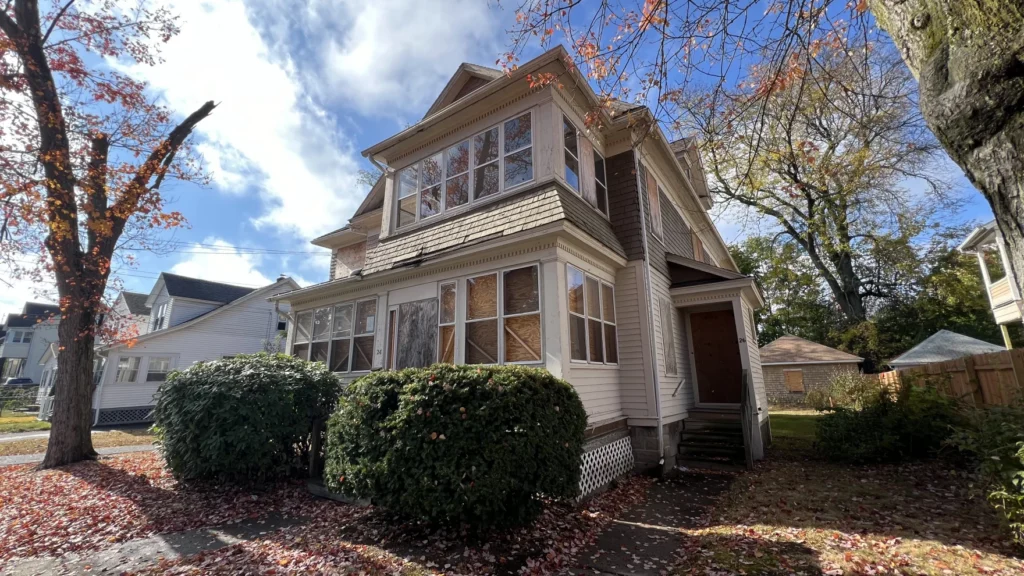
Springfield, Massachusetts is historically known as the “City of Homes,” but decades of disinvestment have left many single- and two-family properties abandoned or in severe disrepair. In turn, those properties depress surrounding home values, destabilize neighborhoods, and often cycle through the court-appointed receivership process where they are rehabilitated and often converted into rental units rather than preserved as ownership opportunities.

At the same time, hundreds of local residents complete first-time homebuyer education programs each year. Upon graduation, and with access to down payment assistance programs, they still struggle to uncover adequate, affordable inventory to purchase. This imbalance results in a glut of blighted homes creating liabilities for neighborhoods while scores of aspiring homeowners remain locked out.

The Solution: Connecting policy reform, redevelopment, and first-time buyers
Observing this disconnect, Way Finders created its “City of Homes” initiative (named for the city it serves), which relies on three coinciding solutions in order to create a new, equity-focused pathway for prospective homeowners: 

First, Way Finders works effectively within recent reforms to Massachusetts’ Affordable Homes Act — shaped by Way Finders’ own on-the-ground innovation in both process and partnerships — to appoint what are known as “special attorney receivers” to interrupt the automatic conversion of distressed properties into permanent rental stock. Traditionally, when properties entered into receivership proceedings, the assigned court-appointed receivers were private contractors or developers. But thanks to recent reforms, the law now allows for the appointment of “special attorney receivers,” who transfer the properties specifically to nonprofit developers like Way Finders for rehabilitation and resale as an affordable homeownership opportunity.

In addition to strengthening ownership pipelines, Way Finders simultaneously leverages its developmental capacity by working to acquire, rehabilitate, or rebuild the blighted homes themselves — often using local, BIPOC-owned contractors to do so. 

Finally, Way Finders taps into an extant first-time homebuyer education pipeline that it already uses to train 700–800 prospective buyers annually in order to connect that demand directly to newly restored inventory. Homes are then sold affordably to buyers earning roughly 80–100% of area median income, with mechanisms such as lotteries used when city-owned funding is involved.

Why it’s Different: By recognizing and slightly modifying how receivership works under Massachusetts state law, the model creates a durable pathway for blighted properties to return to community ownership rather than speculative rental properties. 

“This is such a slight tweak to an existing process that has such strong ripple effects… reminding us that innovation doesn’t always have to mean looking for a big flashy unicorn. It can be as simple as a shift in the way that we think about something that already exists.”
– Dennis Duquette, President & CEO, MassMutual Foundation

Impact Highlights: While still early in its implementation (the Massachusetts Affordable Homes Act was signed into law in August of 2024), properties are currently being rehabilitated in concentrated clusters, creating a multiplier stabilization effect within targeted neighborhoods. The special attorney receiver pathway is now codified statewide through Massachusetts’ Affordable Homes Act, expanding the model beyond Springfield, and early implementation demonstrates that long-blighted ownership properties can return to productive, affordable homeownership rather than converting to rental stock.

Keith Fairey, President & CEO, Way Finders, shared one recent anecdote from a blighted home’s former owner upon learning that it would be rehabilitated into a family home:

“We had a public event at a two-family home that had seen much better days… it was boarded up. The special attorney who helped convey that property brought the owner — someone who grew up in the home but couldn’t keep up with it.

I didn’t know how that would go… but he felt really bad that it was pulling down the neighborhood. He was glad to see that it was going to be somebody’s home again rather than sitting there in a very blighted and abandoned state.” 

— Keith Fairey, President & CEO, Way Finders

Key Enabler: Patient, flexible capital and systems-oriented philanthropy

“We don’t hold the solutions… we are a connector. We use our resources to bring folks together, to experiment, and advance ideas into action.”

– Dennis Duquette, President & CEO, MassMutual Foundation

MassMutual Foundation has played a catalytic role in bringing the City of Homes model to life. Over several years, the Foundation funded research by a retired housing court judge to prove viability, pressure-tested the concept with stakeholders across the city, and provided early, flexible capital to de-risk the pilot before other funders joined.

Beyond funding, MassMutual also convened stakeholder groups, supported statewide policy adoption, and aligned complimentary investments — including down payment assistance resources for Western Massachusetts — to strengthen existing ownership pipelines.

Future Plans: Scalable pathways for gateway cities
The legislative framework that underpins the City of Homes Initiative is now active statewide, with interest emerging from other “gateway cities” across Massachusetts — former industrial centers facing similar cycles of abandonment and disinvestment.

If scaled, the model offers:

  • A durable mechanism for transforming blight into ownership
  • Expanded pathways to household wealth-building
  • Stabilized neighborhoods where property value growth benefits working families rather than external investors

For MassMutual Foundation, the long-term goal aligns with its broader mission of strengthening financial resilience:

“Homeownership is such a key lever in building financial resilience and capability. It’s also foundational to establishing generational wealth over time.”

– Dennis Duquette, President & CEO, MassMutual Foundation

Lessons & applications for other leaders:

  • Slight policy shifts can unlock outsized impact. A targeted change to receivership rules created a new pathway without having to dismantle the entire system.
  • Pair systems change with tactical investment. Supporting first-time homebuyer programs and down payment assistance in tandem with reforms to structural barriers accelerates impact.
  • Patient capital matters. The City of Homes Initiative required years of dialogue, research, and early stage risk tolerance before it could be implemented.
  • Innovation doesn’t have to be “disruptive” to be transformative. Sometimes the most durable change comes from adjusting existing infrastructure rather than inventing something new.

Beyond the Map: Rethinking How We Invest in Rural Communities

Rural communities across the U.S. are too often framed by what they lack rather than in terms of the deep assets, leadership, and innovation they already hold. They also face persistent gaps in philanthropic investment, infrastructure, and long-term capital, even as they are critical to the nation’s economic, cultural, and civic future

During a March 19 virtual Leader Roundtable, NationSwell, the Walton Family Foundation, the Delta Philanthropy Forum, and a great group of cross-sector leaders gathered to explore what effective, community-centered rural investment actually looks like in practice. Drawing on insights from the Mississippi-Arkansas Delta — a region that reflects both the challenges and the promise of rural America — the conversation highlighted how place-based strategies rooted in trust, listening, and long-term commitment can unlock opportunity.

Some of the most salient takeaways from the discussion appear below:


Key takeaways:

Rural isn’t just a geography, it’s a cultural context. Rural communities are often discussed as sparse populations or hard-to-reach places, but in practice they function as distinct cultural ecosystems with their own histories, norms, and relationship structures. That shift in framing matters: Once rural is understood as a culture and context rather than a category, the equity implications become harder to ignore.

Let the people closest to the challenge shape the solution. Across the conversation, one principle kept resurfacing: the most durable ideas tend to come from the people already living and working in the place. Funders can play an important and catalytic role, but the work is strongest when capital flows from local wisdom rather than overriding it. Experimentation matters — but it matters most when communities help define what success looks like.

Redefine scale in percentage points, not raw volume. Traditional philanthropic metrics tend to privilege large urban markets because outputs are easier to maximize there, but in rural communities, impact often shows up more meaningfully as share of need met, not total number served. A smaller absolute number can represent a far deeper level of transformation.

Partner with rural communities as “test kitchens”, but also fund them beyond the pilot. Rural places can serve as ideal proving grounds for innovation because interventions can be tested at smaller scale, with lower upfront capital and clearer community feedback loops. But too often, philanthropy treats rural communities as places to experiment on rather than places to invest with. If a model works in a rural context, it may be more transferable than assumed — but only if funders stay long enough to support sustainability.

Invest in ecosystems rather than isolated projects. In rural regions, no single town or institution exists in a vacuum. What happens in one community often creates ripple effects across neighboring towns and regional networks, meaning that effective place-based investment requires thinking beyond individual grants or municipalities and designing for coordination across a broader ecosystem.

Pair data with lived experience to understand what a region actually needs. Quantitative indicators can identify where opportunity gaps exist, but can’t fully explain how those gaps are experienced on the ground. Stronger investment decisions emerge when funders use data as a starting point, then pressure-test it through direct conversation with local residents, practitioners, and community leaders. In rural communities especially, context is often the difference between a good strategy and a misfire.

Remove match requirements and other structural barriers that quietly exclude rural communities. Many rural and rural BIPOC communities are shut out not because they lack ideas or leadership, but because they lack the upfront capital required to meet standard philanthropic or public-sector thresholds. One-to-one matches often reproduce inequity under the guise of rigor; if funders want different outcomes, they need to revisit the rules that determine who can even get in the door.

Make communities of choice, not just communities of need. The goal is not simply to mitigate decline or address deprivation, but to build places where people want to stay, return, and invest their lives. That means activating local assets — including culture, recreation, history, civic pride, etc. — alongside economic fundamentals. Place-based investment becomes more durable when it supports belonging and aspiration, not just service delivery.

Rural communities of color sit at the sharpest edge of underinvestment. The most severe inequities often emerge where rural geography and race intersect. Rural Black communities, tribal communities, and colonias are places where the funding gap is especially stark, despite persistent poverty and strong local leadership. Any serious conversation about equitable place-based investment must confront that layered exclusion directly.

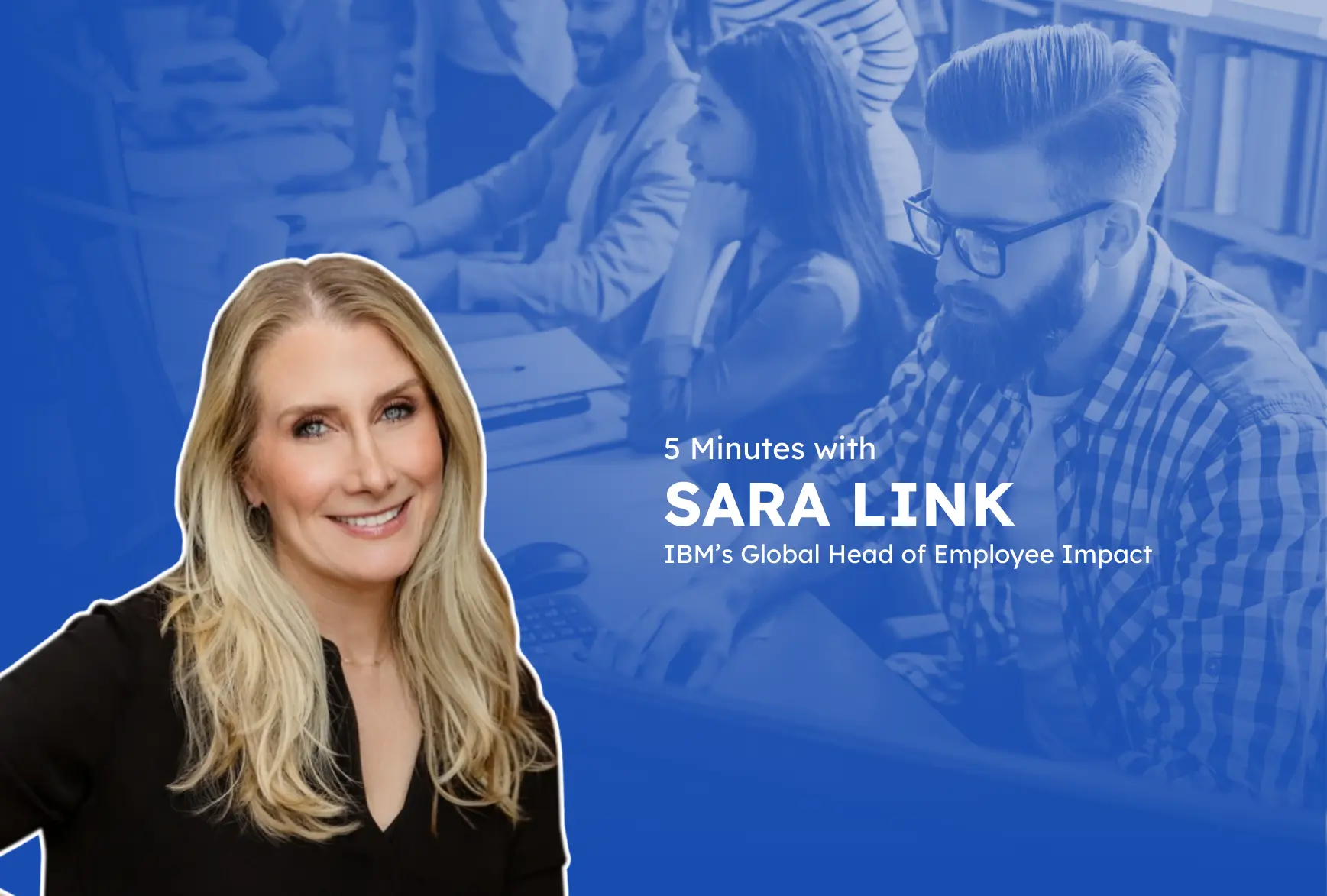
Five Minutes with… IBM’s Sara Link

As artificial intelligence reshapes how institutions operate, many nonprofits and public-sector leaders are grappling with a pressing question: How can AI be deployed responsibly and equitably in service of the public good? 

At IBM, that question isn’t theoretical — it’s central to how the company designs, governs, and advances its AI strategy across sectors. In a new resource developed in collaboration with NationSwell, Responsible Use of AI for Social Impact, IBM outlines a practical roadmap for responsible AI adoption that moves beyond high-level principles and into actionable guidance for organizations navigating capacity constraints, ethical considerations, and rapidly evolving technology. The report emphasizes AI literacy; governance as an enabler instead of a blocker; and a clear focus on augmenting, rather than replacing, human capability. 

For this installment of Five Minutes with…., NationSwell spoke with Sara Link — IBM’s Global Head of Employee Impact — about what it takes to operationalize trustworthy AI at scale and why government and social sector leaders must be equipped not just with tools, but with the systems and confidence to use them well.

We asked Sara how IBM is reframing responsible AI from a compliance exercise into a performance advantage, what meaningful AI literacy actually looks like inside an organization, and what wild success for ethical AI adoption could look like five years from now. 

Here’s what she had to say:


NationSwell: What do you see as most distinctive about IBM’s approach to responsible AI, particularly for nonprofits and social impact organizations that face capacity constraints?

Sara Link, Global Head of Impact at IBM: It’s encouraging to see so many responsible AI principles circulating right now; that level of focus and intentionality is important. At IBM, our approach centers on making AI practical, understandable, and genuinely useful in everyday work. Our belief is that AI should help people do their jobs better — not replace them, overwhelm them, or create confusion.

One of the key insights in the report is that responsible AI has to be realistic for organizations with limited time, staff, and capacity. Nonprofits don’t have extra resources or margin for error, and in many cases they don’t have deep technical expertise in-house. So responsible AI can’t just live in a policy document — it has to be built in a way that reflects those constraints. That means designing tools and governance structures that are usable, accessible, and practical from the start, so organizations can adopt them confidently and integrate them into their daily work.

NationSwell: Augmenting rather than replacing human capability is central to IBM’s view of AI. Can you share an example of what that looks like in practice, either at IBM or with partners?

Link, IBM: In practice, we think about AI as something that helps bring work to life — whether that’s surfacing information, spotting patterns, or saving time on repetitive tasks. But at the end of the day, people still make the final decisions, especially when judgment, fairness, or context matter.

At IBM, for example, internal tools like AskHR or AskCSR help employees find answers more quickly and efficiently. They streamline the process, but they don’t replace accountability. People are still responsible for what happens next. The goal is to enable better, more informed decisions — not to obscure or complicate them.

NationSwell: The report emphasizes foundational AI literacy. What does “good” AI literacy look like inside an organization, and how does that translate into better outcomes?

Link, IBM: Good AI literacy means people aren’t afraid of the tools, but they also don’t blindly trust them. It shows up when leaders and staff understand what AI can support and where human judgment still needs to step in.

You can hear it in the kinds of questions people feel comfortable asking: Does this actually make sense? Should we double-check this before acting on it? For example, in a nonprofit using AI to screen applications or triage services, literacy shows up when staff know how to review AI recommendations, recognize when something doesn’t feel right, and understand that the final decision rests with them.

That kind of literacy leads to better mission outcomes. It reduces errors, helps guard against bias, and builds trust with the communities being served rather than simply automating decisions without oversight.

NationSwell: How does the report reframe responsible AI governance as an enabler rather than a blocker? What is one practical first step an organization can take?

Link, IBM: When you lay out clear rules, it actually becomes easier to move forward. Clarity helps people understand what’s acceptable and what’s not. Without that clarity, uncertainty can cause hesitation or lead organizations to avoid using AI altogether. One of the strongest findings in the report is that governance doesn’t slow adoption; it accelerates it by removing ambiguity.

A practical first step is to build a simple pause point into an existing workflow — a moment where a human reviews and signs off before an AI-driven decision affects someone. It doesn’t have to be complicated. It can be as straightforward as asking: Does this outcome make sense? Would I be comfortable explaining this decision to the person it impacts?

Over time, those small, repeatable checks turn responsible AI from a written policy into a daily habit. And that’s what enables organizations to scale AI safely and confidently.

NationSwell: If you could change one thing about how funders currently approach AI in the social sector, what would it be?

Link, IBM: First, it’s critical for funders to recognize the importance of investing in organizational capacity; that’s the foundation. I would encourage funders to focus not just on funding AI tools, but on supporting people’s ability to use AI well over time.

Investing in technology alone doesn’t create impact if organizations aren’t prepared to work with it. Right now, many nonprofits are expected to figure this out on their own. They may receive funding to pilot AI, but not necessarily the support for training, governance, or long-term learning that makes those tools effective and safe.

Through IBM’s AI for Impact program, which we launched in late 2024, we’ve brought nonprofits together to share how they’re using AI, what questions they have, and where they see opportunity. A recurring theme has been the need for funding that supports both the right tools and the training required to use them responsibly. And research from the IBM Institute for Business Value shows that skills are evolving rapidly — 57% of executives surveyed expect today’s skills to become outdated by 2030. That pressure is even more acute in the social sector, where resources are already stretched.

The funders making the biggest difference are supporting AI readiness, not just adoption — investing in training, shared standards, and giving teams time to learn and adapt, not just deliver. I’d also encourage funders to make their grantees aware of programs like AI for Impact. Many of these resources are free and can help organizations and their leaders build the knowledge and confidence they need to prepare for what’s ahead.

NationSwell: If responsible AI adoption truly takes root, what might wild success look like for the sector five years from now?

Link, IBM: The vision of success, to me, is that AI makes work easier and fairer — not more stressful or confusing. If we can eliminate that sense of overwhelm and instead empower people to use their skills more fully, that would be a meaningful outcome.

In that future, people would understand the tools they’re using and feel confident explaining the decisions those tools inform. AI would help nonprofits do more good without eroding trust or weakening human connection. Most importantly, technology would support organizations in serving communities better — not get in the way.

That’s what wild success looks like: better outcomes for communities, more efficient pathways to get there, and trust and connection preserved throughout the process.

NationSwell: What have you personally learned or found inspiring as you’ve helped lead this work around AI? How has this journey informed your broader leadership in the corporate impact space?

Link, IBM: For a long time, I’ve focused on capacity building for nonprofits and on how the corporate sector and funders can partner more closely with them, providing the right level of support so they can better serve their communities.

What’s been most inspiring lately is the openness I’ve seen when nonprofits come together — the willingness to share ideas, build relationships, and solve challenges collaboratively. There’s a real energy in the room when leaders from across sectors are learning from one another and exploring what’s possible.

I saw that firsthand at a recent conference after speaking on this topic: A healthcare employee approached me and shared that she and her colleagues had been experimenting with AI tools to solve internal challenges, and they were eager to bring leadership into the conversation to explore the potential more formally. She ended up connecting with another healthcare system that was further along, helping to broker a conversation between them.

That kind of openness — being curious about what’s out there and willing to imagine what could be possible — is what excites me most. It’s that spirit of shared learning and forward momentum that will ultimately drive meaningful change.

NationSwell: Is there anything else from the report — or from your leadership perspective — that you’d like to share?

Link, IBM: As someone who doesn’t necessarily have an engineering or a technical background, what’s been especially inspiring to me is realizing that you don’t need deep technical expertise to ask the right questions or to begin this journey of continuous learning. You don’t have to be an engineer to engage meaningfully with AI.

Personally, this experience has shown me how much further we can take our work by building our skills, staying curious, and asking thoughtful questions. When we approach AI as a tool for strengthening connections and building stronger partnerships — rather than something intimidating or purely technical — it becomes incredibly energizing. That mindset has been one of the most exciting parts of this journey for me.

Investing in Rural Communities: Why the Delta Demands Bold Philanthropy

Rural America is often spoken of as if it were a single place: a stretch of heartland, a scattering of towns, a flat landscape dotted with fields and farmhouses. In reality, the picture is far more complex — and far richer. Nearly 20 percent of the U.S. population lives in rural areas, and almost a quarter are people of color. These communities are home to deep cultural traditions, close-knit civic life, and an abundance of untapped talent and creativity that fuel the nation’s food systems, industries, and arts. Yet among the youngest rural residents, one in five grows up in poverty — the highest rate across all age groups nationwide.

This gap between perception and reality often obscures the nuanced beauty of rural life, leaving entire regions undercounted, misunderstood, and underfunded. Despite the fact that nearly one in five Americans lives rurally, these regions receive just 7% of philanthropic capital — leaving schools, housing, and infrastructure chronically underfunded.

Nowhere is this tension clearer than in the Mississippi Arkansas Delta, a region that embodies both the challenges and the possibilities of rural America. Long celebrated as the birthplace of the blues and a wellspring of cultural creativity, the Delta is equally defined by the resilience and ingenuity of its people — communities that have sustained one another through generations of economic and social change. Yet the Delta is also home to some of the nation’s most persistently poor counties, where pathways to steady work and economic security remain too few and far between.

“What’s struck me most is how much creativity, expertise, and leadership already exist in rural communities,” says Robert Burns, director of the Walton Family Foundation’s Home Region program. “When you start by listening, you quickly see that the ideas and solutions we need are already there. Our role is often simply to help remove barriers and expand access to the opportunities residents are already working hard to create.”

Burns notes that the Delta’s greatest strength is its people — and that funders must match that strength with humility and long-term commitment. “The Delta is a place of deep history, culture, and possibility,” he says. “But it’s also a region facing persistent inequities, including a significant wealth gap. That’s exactly where bold, community-led investment can make a real difference.”

While Burns emphasizes the talent already present in rural communities, Kim Davis, president of the King Foundation, underscores what it requires of funders: humility, proximity, and a willingness to shift power.

“I’m proud that I’ve been able to keep community at the center of this work,” he says. “At Walton, we lifted up the Delta and brought visibility to a region too often overlooked. And at King, we’ve doubled down on proximity — on wearing the jersey of community instead of playing the superhero, and on fueling local leadership with the resources and trust they deserve.”

For philanthropy, the Delta represents both a stark challenge and an extraordinary opportunity: to invest not just in infrastructure or programs, but in its already-existing wells of creativity, leadership, and cultural capital — and to help scale them into lasting engines of resilience and shared prosperity.

The Realities of Rural Investment

Despite the enormous promise rural America holds for investment, attracting and sustaining that capital is rarely straightforward. Communities often face infrastructure gaps, fragmented leadership, and logistical barriers that make it hard to scale solutions across regions. Agriculture is also no longer the primary driver of rural employment, meaning that investments must now also reach sectors like manufacturing, health care, and small business.

The stakes of these challenges are deeply human: “When you look somebody in the eyes who’s thrown in the towel and thinks nobody cares about them, it breaks your heart,” says Colby Hall, Director of Regional Economic Development at Craft Philanthropy. “But when you remind them that they’re here for a reason — that they have unique gifts and a path forward — that’s transformational work.”

The Delta region mirrors many of these more broad-based rural challenges, including persistent poverty, housing shortages, and childcare gaps that keep parents, especially women, out of the workforce. Yet despite these barriers, the region also holds great promise; proximity to midsize metros like Memphis and Jackson creates natural economic ladders, while the rise of remote work expands job opportunities for residents.

Ultimately, solutions in the Delta must be built with — not for — local people, which means investing in the workforce, supporting affordable childcare, and helping residents access training that connects them to emerging industries or remote work opportunities. It also means strengthening civic infrastructure: ensuring that there are strong backbone organizations, convening spaces for collaboration, and opportunities for communities to share lessons with one another across county lines.

“Rural communities are deeply familiar with performative or extractive forms of support, so it’s critical that funding be rooted in authenticity and trust,” says Anna Beth Gorman, CEO of the Women’s Foundation of Arkansas. “When funders listen first and partner closely with community members, the solutions are not only more relevant, but also more sustainable.”

Rethinking Scale

For funders accustomed to measuring success by the size of their impact, scale in rural regions can look deceptively small. As Dreama Gentry, president and CEO of Partners for Rural Impact, notes, clarity about what level of place you aim to reach is key. 

“In rural areas, much of the work happens regionally — but ‘region’ can mean different things depending on whether you’re focused on health, education, or economic development,” she says. “What matters most is aligning your definition of community with the outcomes you hope to achieve.

Being realistic about the number of people you can reach, she adds, is equally important: “A regional strategy might engage thousands, while a neighborhood effort could reach hundreds — but that might still mean 80% of local youth are benefiting. In rural contexts, depth of reach often matters more than raw numbers.”

Sherra Bennett — Senior Program Officer at the Winthrop Rockefeller Foundation — builds on this point, encouraging prospective funders to remember that a grant that can seem modest in a metropolitan context can be transformative in a rural context.

“Sometimes funders focus on how many people are reached, but in rural places, it might be 50 or 75 instead of 5,000, and that smaller number can still create a ripple effect that transforms the region,” she says. “If you’re looking for scale in terms of volume of people, you can easily overlook the real amount of work and collaboration that’s happening in rural communities.”

Bennett notes that those scaling challenges extend to organizations themselves, which are often operating with very small staff and limited infrastructure. “They’re doing a lot with a little — stretching dollars, building networks, and leveraging informal systems to get things done,” she says. “What they need most is flexible, multi-year funding that builds capacity — not just programs,” she says.

What’s Already Working in the Delta

Despite the challenges it faces, there are also bright spots in rural regions that demonstrate what effective investment can look like. In the Delta region specifically, funders like the Walton Family Foundation are investing in education pipelines and place-based development; the Winthrop Rockefeller Foundation has prioritized investment in grantees like Communities Unlimited, which emphasizes economic mobility and equity; and the Women’s Foundation of Arkansas is advancing opportunities for women and families. Other regional and national partners are supporting workforce development programs, broadband expansion, and the strengthening of civic infrastructure

The lessons are clear: the most successful programs are community-led, equity-driven, and built to last. Together, these efforts show that progress is possible when investment is rooted in local priorities and designed for long-term impact.

“People assume rural means limited, but I’ve seen rural leaders accomplish things with fewer resources that some larger institutions struggle to achieve,” Davis says. “They collaborate across silos, stretch every dollar, and create solutions grounded in lived reality. That ingenuity — born out of necessity — isn’t just admirable, it’s instructive for all of us in philanthropy.”

“If we can figure out how to unlock economic opportunity for rural people — give them purpose, dignity, and a fair shot — I think that’s the greatest domestic challenge we face as a country,” Hall says. “The development that’s coming will happen in rural America, and it’s critical that those benefits reach the people who’ve been left out for decades.”

NationSwell’s Place-Based Collaborative has unearthed several field-tested strategies for championing rural investment:

  • Let communities define “place.” Avoid one-size-fits-all boundaries; listen to residents about where meaningful change can take root.
  • Go beyond bricks-and-mortar. Proximity to schools or clinics doesn’t always mean access. In Greenville, Mississippi, for example, residents live near critical services but still face life expectancy as low as 63 years and labor participation rates around 60. Effective investments must address underlying barriers — from healthcare access to workforce participation — not just physical infrastructure.
  • Use data-driven, asset-based mapping. Tools like the Urban Institute’s rural typology help funders tailor strategies to local strengths, whether rooted in natural resources, emerging industries, or cultural institutions.
  • Account for variation across rural places. No two communities are alike: some are near metros, others are energy hubs or farming towns. Treat this diversity as an opportunity to customize strategies, not as a hurdle.
  • Map leadership and empower local champions. Pastors, superintendents, and grassroots organizers are often the connective tissue that builds trust and convenes coalitions.
  • Align on shared outcomes. Clear, measurable goals — such as third-grade reading proficiency or high school graduation rates — can unite divided communities and build internal alignment for funders.
  • Support backbone organizations. Strengthening civic infrastructure ensures progress outlasts any one grant cycle.
  • Invest in local talent. Hiring and skilling up residents, supporting affordable childcare, investing in transportation, and expanding pathways to remote work all build durable local economies.
  • Bridge federal funding gaps. More than 400 federal programs target rural America, but recent cuts to funding stand to blunt the impact these programs have. Funders can play a catalytic role by underwriting grant-writing capacity, supporting local planning efforts, or co-investing alongside federal dollars.

Building Capacity, Building Momentum

Momentum grows when funders act as conveners — not only bringing resources to the table, but also helping rural communities connect, share solutions, and collaborate across regions. Over time, this creates a stronger ecosystem of leaders and institutions that can sustain progress well beyond any one grant cycle.

“Rural communities are beautifully complex,” Gorman says. “Even when resources are limited, people find innovative and adaptive ways to meet challenges, build opportunities, and support one another. That blend of determination and ingenuity is both inspiring and humbling to witness.”

The Delta’s challenges are generational, but they are not insurmountable. With patient capital, authentic partnership, and a commitment to long-term outcomes, funders can help transform the trajectory of entire communities. Even for those who cannot commit decades of investment, there are catalytic opportunities — like building job training pipelines or strengthening early childhood systems — that can shift local economies and empower residents for years to come.

For too long, rural communities like those in the Delta have been treated as an afterthought in philanthropy. By investing in the Delta, funders are not just addressing inequality — they are fueling the resilience, creativity, and prosperity of a region that has always been at the heart of America’s story.

In offering her advice to prospective funders, Bennett encourages a wholesale attitude shift — moving away from eyeing the region’s challenges and toward an embrace of all the potential and complexity it holds.

“Avoid a deficit mindset,” she says. “The challenges are real, but so are the tremendous assets — the cultural wealth, the deep social bonds, the vision of what already exists. Rural communities don’t need saving; they need investment, sustainability, and patience.”

Now is the moment to show up, listen deeply, and commit boldly. The Delta is ready for partners who believe in its future.

Collective Action Models and Approaches

Collective Action Models and Approaches

EXECUTIVE BRIEFING

This resource is a practical guide for impact leaders to quickly understand the most prevalent and effective models of collective action. It distills each model into clear purposes, strengths, risks, and use cases—providing actionable insight into when and how to leverage these structures to advance your goals. The aim is to save leaders time, sharpen decision-making, and help you align the right model with the challenge or opportunity in front of you.

The models covered in this guide include:

  • Public-Private Partnerships
  • Co-investment + Pooled Funding
  • Learning, Advocacy, & Action Networks
  • Place-Based Initiatives
  • Shared Capacity & Services Platforms


Share this report

Cisco | Skills-to-jobs at scale

Cisco | Skills-to-jobs at scale

How Cisco Networking Academy is transforming the lives of learners

The idea for Cisco Networking Academy was born in 1997. Cisco employees returned to an under-resourced school where they had donated state-of-the-art networking equipment. They were excited to see how students and educators were being empowered by the technology. Instead, they found the equipment sitting unused. The lesson learned that day was that technology alone is not enough; without the knowledge and skills to use it, even the best equipment’s potential will go untapped. 

Cisco recognized that for networking technology to truly expand and thrive, there needed to be a workforce capable of installing, configuring, and maintaining those networks. There was a critical skills gap: educators and students lacked the training to leverage the new technology, and there was no established pathway to build that expertise at scale.

Beyond just technical skills, Cisco also saw an opportunity to transform lives by providing inclusive access to technology education. Cisco sought to use its own technology and vast networking expertise to create clear pathways for both new learners and those reskilling or upskilling, ensuring they become prepared for the jobs of today and tomorrow. Thus, Networking Academy was launched.


Share this report

Chobani | Impact through product innovation

Chobani | Impact through product innovation

How Chobani’s Super Milk is redefining disaster relief and food security

Chobani’s idea for Super Milk came out of two urgent challenges: the growing number of climate-related disasters and a steep rise in food insecurity across the U.S. Today, billion-dollar disasters are hitting every couple of weeks, displacing families and driving up demand for shelf-stable, nutrient-dense food. At the same time, in 2023 food insecurity affected approximately 20% of households, putting even more strain on food banks. While milk is one of the most requested items, it’s also one of the hardest to get out quickly—it needs refrigeration and doesn’t last long, often arriving just before it expires.

To overcome these challenges, Chobani marshaled its in-house expertise in dairy innovation, supply chain management, and community impact to create a shelf-stable, nutrient-dense milk specifically designed for disaster relief and hunger alleviation. Produced at Chobani’s Idaho plant, Chobani Super Milk is made with a blend of real milk and ultrafiltered milk to achieve an excellent source of high-quality protein, with less sugar than traditional milk. An enzyme naturally converts sugars into galacto-oligosaccharides (GOS), a high-quality prebiotic fiber, that contributes to gut health and digestion. Chobani Super Milk is aseptically processed, which allows for a 9-month shelf life without refrigeration and without any added preservatives, resulting in a product that is accessible, nutritious, and highly transportable to the communities who need it most.


Share this report

Visa Foundation | Growing the economic pie

Visa Foundation | Growing the economic pie

Visa Foundation’s approach to financial inclusion

Globally, small and micro-businesses make up over 90% of all enterprises, yet they remain among the most vulnerable segments of the economy — especially those owned by women. Women-owned businesses account for about one-third of all small enterprises, and more than 70% lack adequate access to financial services. This persistent gender gap is compounded by structural inequities in access to capital, networks, and resources, leaving many of these enterprises unable to fully participate in or benefit from the global economy.

These inequities are further magnified by the economic fragility of small and micro-businesses, two-thirds of which face ongoing struggles for survival, with limited financial buffers and restricted opportunities for growth. Together, these conditions form a pressing need for targeted strategies — like Visa Foundation’s financial inclusion efforts — that aim to expand access, build capacity, and foster long-term resilience for the most underserved business owners.


Back to main page


Share this report

Growth with Purpose: Building the Skills and Systems of the Future

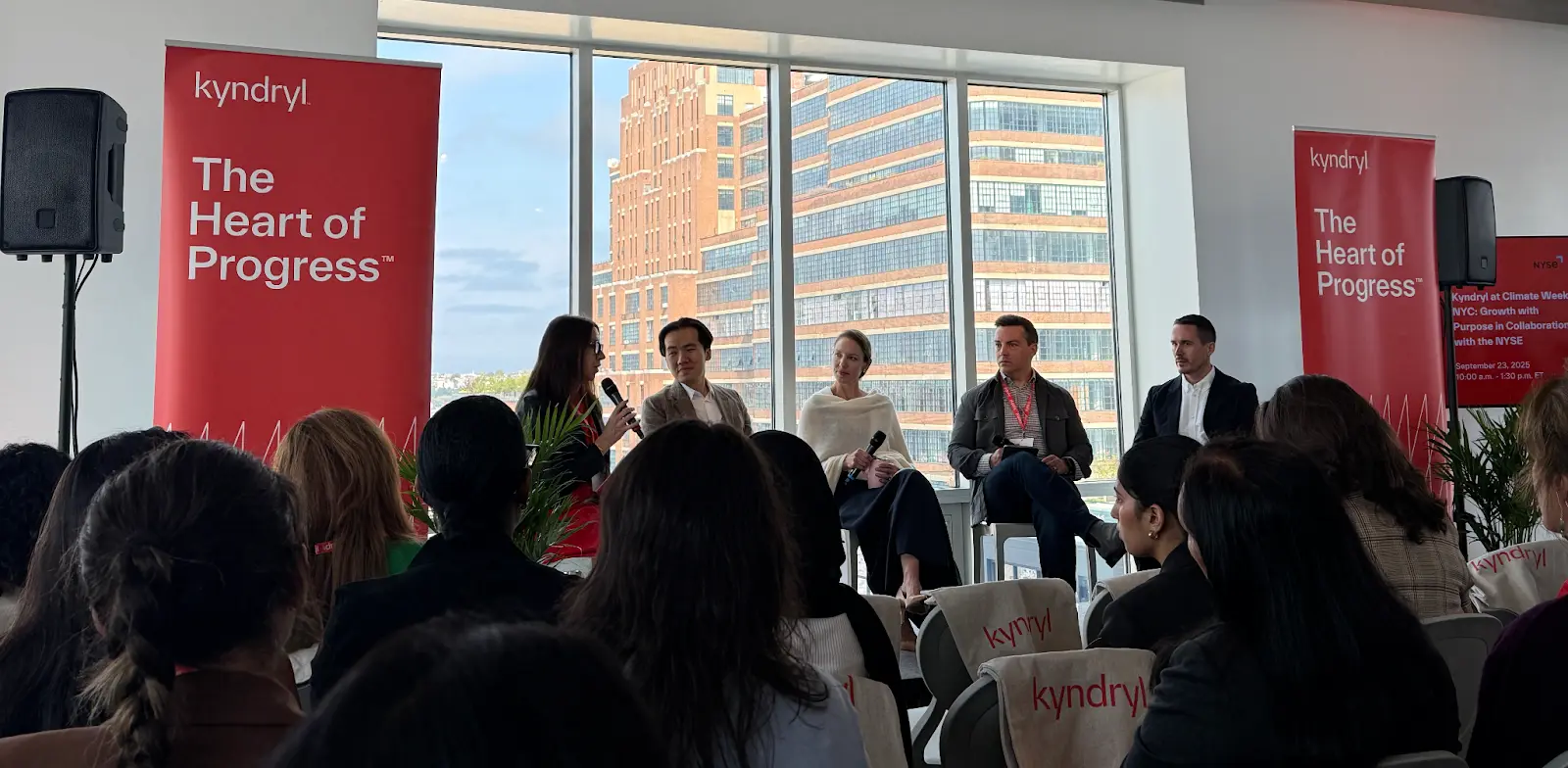
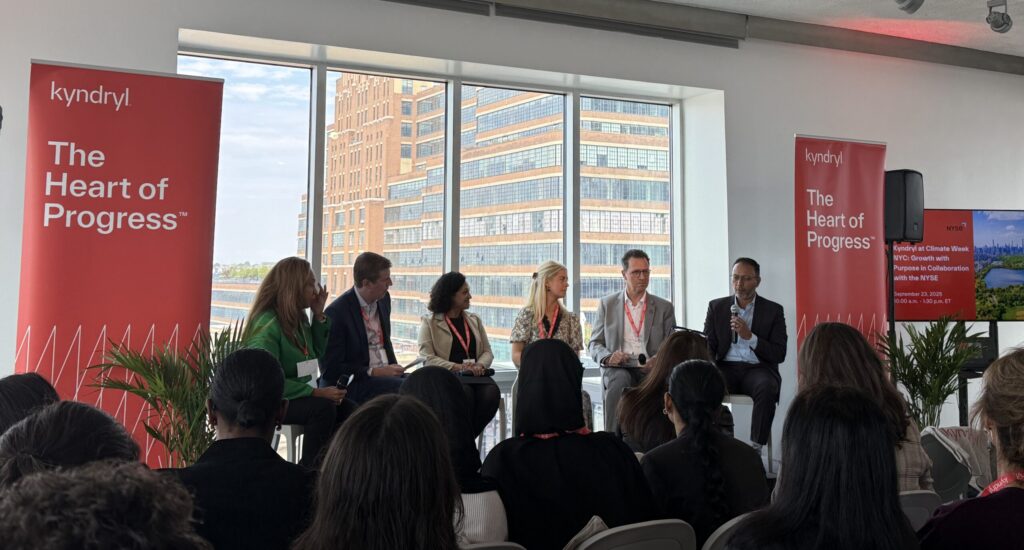
At a time when technology is reshaping the workforce and climate pressures are redefining business, leaders are grappling with a central question: how do we equip organizations — and the people within them — not just to keep pace, but to thrive? During Climate Week, Kyndryl convened an event called “Growth with Purpose” that featured two dynamic panels focused on tackling that challenge from different but deeply connected angles.

The first panel, Skilling for a Secure Digital Future, examined how AI is transforming the very notion of being “future ready.” Panelists stressed that technical expertise alone will not suffice; adaptability, resilience, and human-centered skills remain just as critical. They spoke candidly about the paradox of AI adoption: the technology’s potential to unlock massive productivity gains is real, but its impact depends as much on mindset, culture, and trust as on tools themselves.

The second panel, Risk, Readiness, and Reporting in Sustainability Work, turned the focus to how businesses prepare for an uncertain climate future. Executives from finance, technology, and infrastructure underscored the growing importance of supply-chain resilience, the integration of sustainability into financial decision-making, and the role of trust and transparency in meeting investor and community expectations. As externalities like carbon and natural capital become priced into markets, sustainability is moving from a regulatory obligation to a driver of business value.

Together, the discussions revealed a common imperative: whether navigating the rise of AI or the realities of climate risk, organizations must balance innovation with intentionality. The future may be uncertain, but readiness, resilience, and principled action will be the measures of who thrives.


Panel 1: Skilling for a Digital Future

  • Being “future ready” means building systems of continuous learning. Panelists agreed that the future of work is not a fixed destination. Instead, it requires organizations and individuals to build habits of constant iteration and adaptation. One speaker even suggested professionals should aim to “make 20% of their jobs obsolete each year,” eliminating low-value tasks to create space for higher-value innovation and growth.
  • The biggest barriers to AI adoption are cultural, not technical. While AI’s potential is vast, many organizations struggle with implementation because of fear, discomfort, or uncertainty. Leaders stressed the need to normalize experimentation and failure as part of learning. Generational divides also surfaced: senior employees often use AI more effectively because of their experience and judgment, while younger hires may be more fluent with tools but lack context. Bridging these divides will be essential.
  • Workers need more transparency about which credentials actually pay off. Although 40% of U.S. adults have some college but no degree, only 12.5% of credential programs deliver meaningful wage gains. More transparency is needed so workers know which credentials are actually valuable. Panelists argued for clearer data and guidance so workers understand which pathways provide real mobility, and which don’t deliver on their promise. The same logic applies to skills: For example, Kyndryl is prioritizing mapping current vs. future skills and making that data transparent to employees — helping them visualize where the business is headed and how they can grow.
  • Human-centered skills will only grow in value. As technical skills shift rapidly with technological change, human skills — such as empathy, trust-building, problem-solving, and communication — are emerging as the most durable advantage. Panelists suggested reframing these as “higher-order thinking” skills, a label that better conveys their central importance in AI-enabled workplaces. 
  • Intentional AI use is the key to maintaining critical thinking. Overreliance on AI risks weakening workers’ ability to write, think critically, and craft narratives. Panelists encouraged organizations to set intentional guidelines: use AI as an accelerator, but not as a replacement for human judgment and expression. The financial incentives also matter: Skepticism about providers pushing AI use for profit is warranted, and workers and companies alike need to set their own intentional frameworks for adoption.
Panel members at Kyndryl's "Growth with Purpose" event.

Panel 2: Risk, Readiness, and Reporting in Sustainability Work

  • Uncertainty is inevitable, but principles must guide the response. Speakers emphasized that uncertainty has always been part of business, but climate change and resource scarcity magnify it. To remain resilient, companies are establishing clear principles — such as cutting emissions or increasing recycled content in supply chains — that remain non-negotiable, even as circumstances shift.
  • Embedding sustainability into the core business is no longer optional. Panelists described how sustainability leaders now work directly alongside CFOs and finance teams, reflecting the growing importance of environmental and social considerations to business value. Carbon pricing, regulatory frameworks, and investor demands are pushing companies to treat sustainability as central to strategy, not a side function.
  • Climate risk also creates business opportunities. Disruptions like floods, fires, or supply-chain breakdowns pose real threats, but they also spur demand for new services — from resilient infrastructure to risk management products. Companies that innovate around these needs can turn risk into opportunity.
  • Collaboration across the value chain is essential. No company can meet sustainability goals alone. Panelists highlighted the importance of embedding expectations across suppliers, engaging directly with high-emissions vendors, and even spurring innovation through competitions. They also stressed that collaboration must extend beyond the value chain — to startups, academia, industry groups, and policymakers.
  • Transparency builds trust with investors and communities. Trust emerged as a critical currency. Transparent reporting on emissions, risks, and progress not only satisfies regulators but also strengthens investor confidence and community credibility. As investors increasingly scrutinize how companies manage both transition risks (like shifting to renewables) and physical risks (like fires or floods), disclosure and accountability become differentiators.
  • AI is already helping sustainability efforts, but it must be paired with governance. From using drones to inspect infrastructure to crunching massive emissions datasets, AI is already proving valuable in sustainability work. Yet panelists stressed that AI must be deployed “secure by default,” with robust cybersecurity and governance in place. While the technology can handle scale and speed, empathy, trust, and human judgment remain irreplaceable for advancing sustainability goals.

PepsiCo | Feeding potential

PepsiCo | Feeding potential

How PepsiCo’s Food for Good is creating a blueprint for global food security

Food for Good — the PepsiCo Foundation initiative for advancing food security — launched in Dallas, Texas, as an exercise in deep listening. Through sustained conversations with trusted community volunteers and leaders, PepsiCo learned that the 19 million school-aged children in the U.S. who depend on free or reduced-price meals at school were facing critical gaps in access to nutritious food during the summer months, when school was not in session.

Beginning in the summer of 2009, PepsiCo leveraged its food production, logistics, and distribution expertise — as well as a partnership with Frito-Lay, the convenient foods business unit of PepsiCo, that allowed for borrowed access to trucks and warehouse space — to prototype a summer meal delivery model. The privately-funded program quickly expanded into new cities, eventually outgrowing its original facility but maintaining its original commitment to staying rooted in community feedback and mission to fight hunger through access and equity.

Food for Good combines large-scale meal distribution, job creation, targeted child nutrition, disaster relief, and impactful storytelling to distribute nutritious meals and address crisis-driven hunger at scale.


Back to main page


Share this report