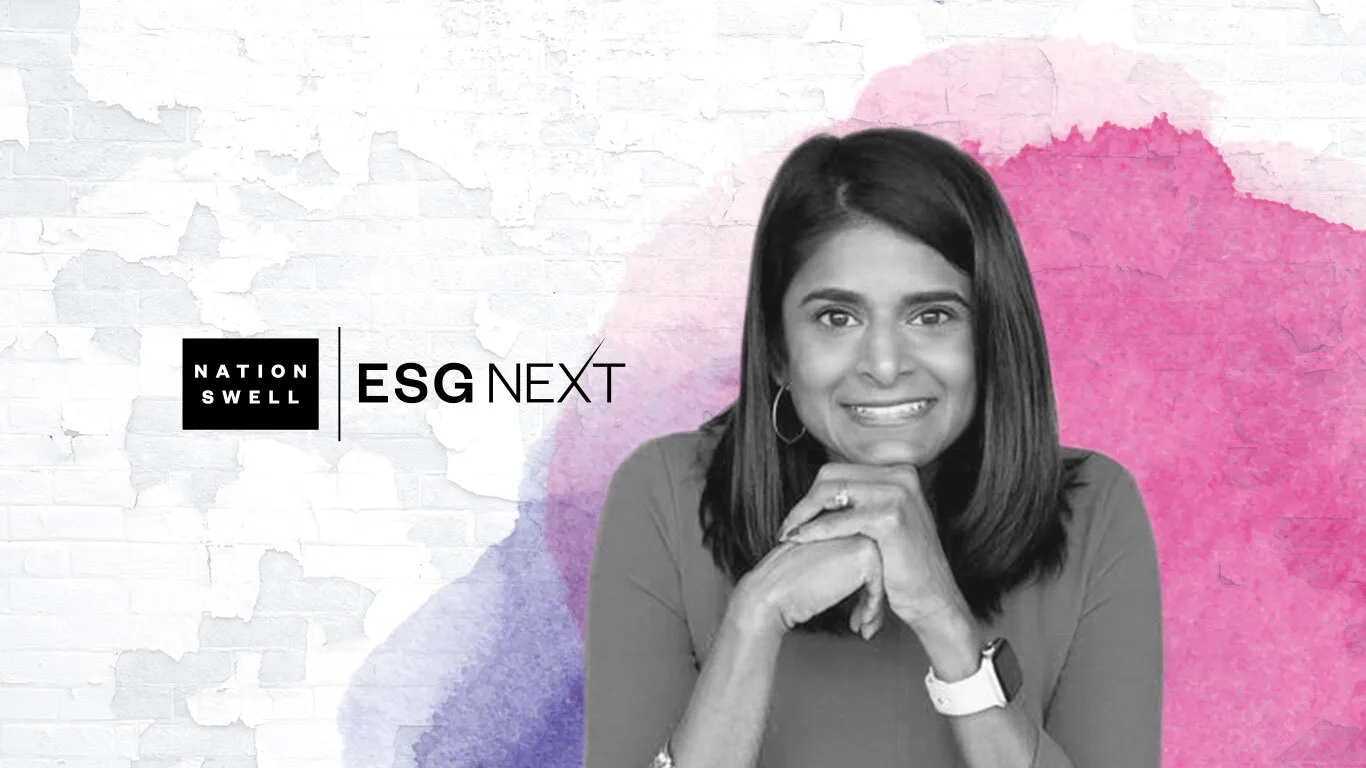
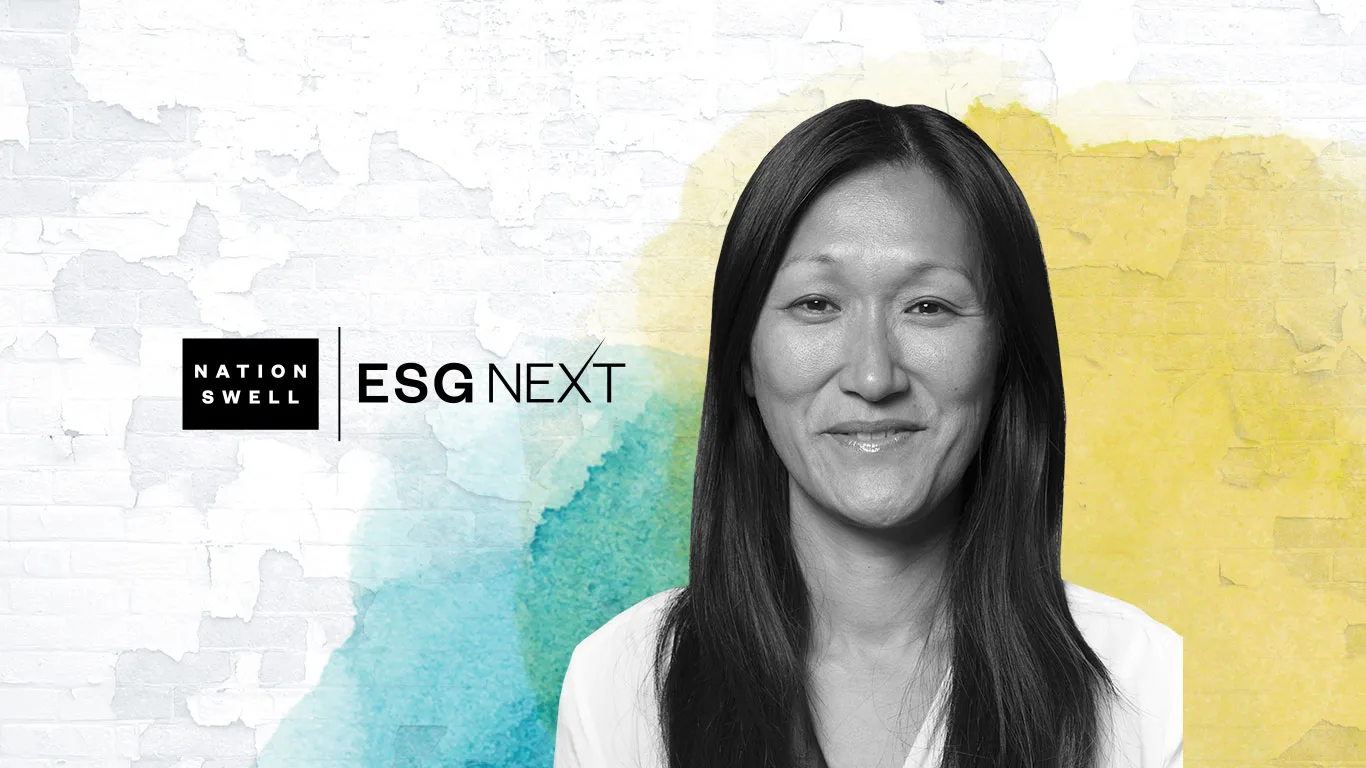
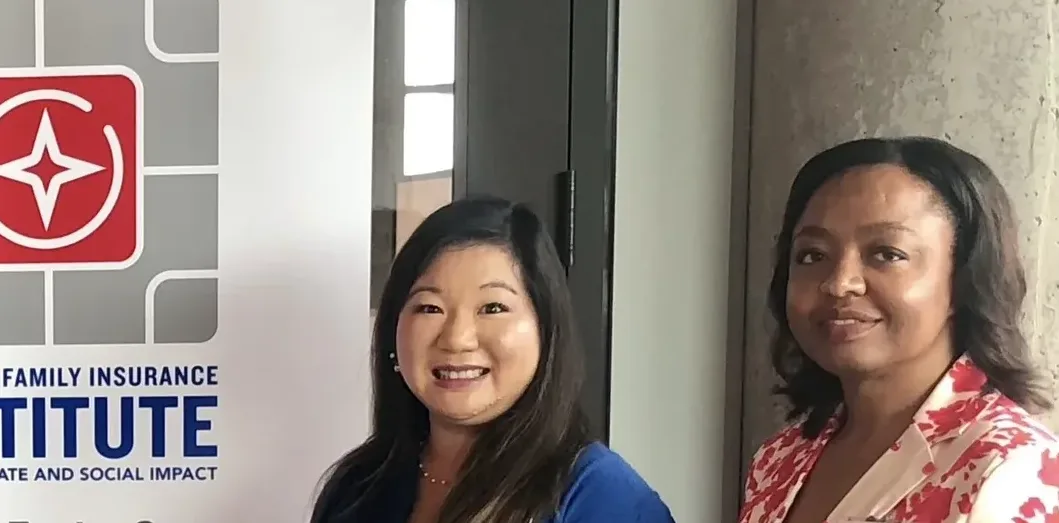
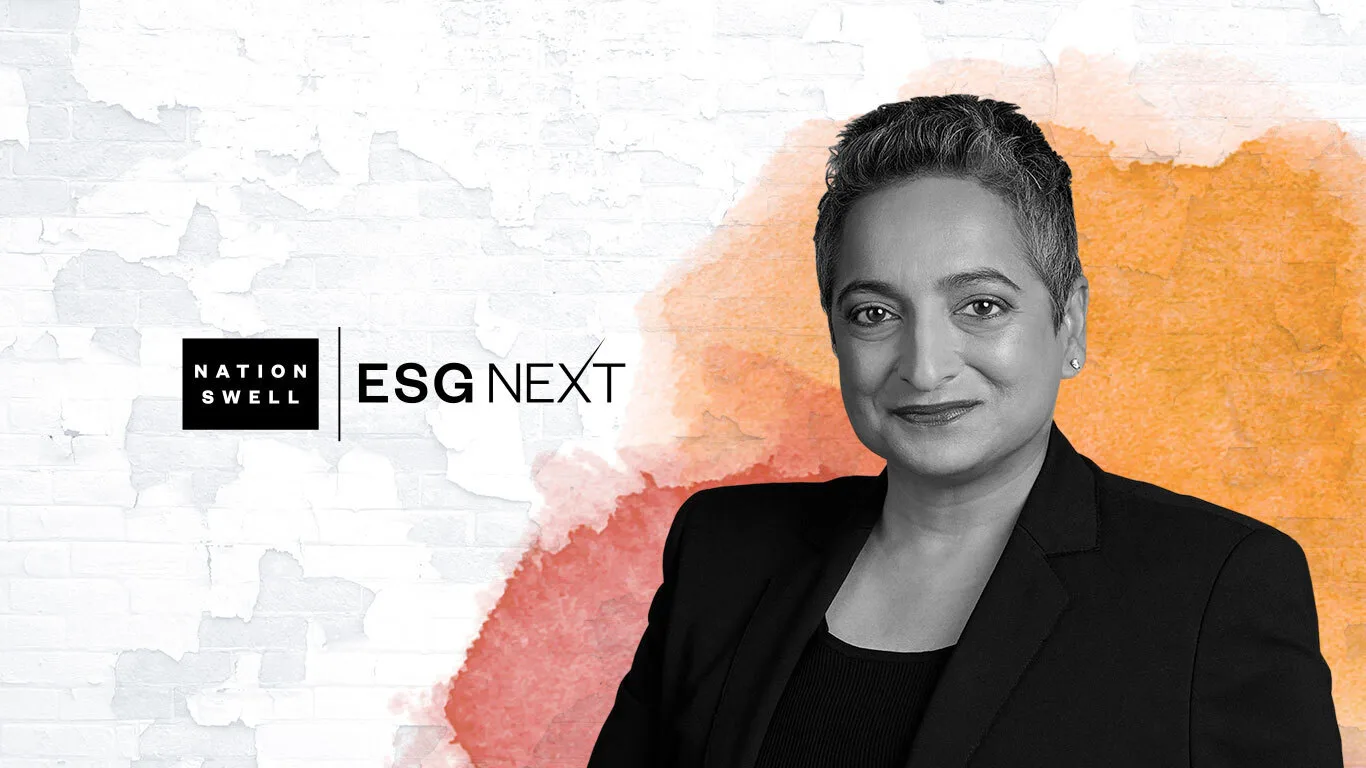
“Being underrepresented is actually my seat of power”: The story behind the two “badass women of color” leading the American Family Insurance Institute for Corporate and Social Impact

When Shayna Hetzel was in college, she wanted to be a biochemist, examining the intricate relationship between carbon atoms and amino acids and studying the ways they come together to form the foundations of life. Although she didn’t end up pursuing a career in science, Shayna — the Community and Social Impact Investment Director at the American Family Insurance Institute for Corporate and Social Impact — now works alongside her longtime colleague and partner, Social Impact Investment Director Nyra Jordan, to identify and facilitate the bonds that strengthen communities and drive prosperity for everyday people. 

On October 3, 2023 the American Family Insurance Institute for Corporate and Social Impact celebrated its 5-year anniversary. Launched in 2018 after a two-year benchmarking period, the Institute was initially conceptualized as a way to expand upon both the successes of American Family Insurance’s multi-limited partner model, American Family Ventures, and the American Family Insurance Dreams Foundation, which supports nonprofit organizations through grants and employee and agent engagement programs. According to Shayna, its earliest ambition took the form of a question: How can we go bigger and bolder for equity?

At the urging of then-CEO Jack Salzwedel, Peter Gunder — who was serving as American Family Insurance’s Chief Business Development Officer at the time — formed the Institute by assembling a small team of people, led by Shayna and Nyra, whose primary goal would be to expand the capacity of entrepreneurs and risk-takers to make a difference in their communities. 

Today, the Institute operates out of the Spark building in Madison, Wisconsin, and pursues its long-term mission of closing equity gaps in America by forging partnerships with local changemakers, leaders, and entrepreneurs focused on building scalable social enterprises in four key investment areas: economic empowerment & justice reform, healthy youth development, equity in education, and resilient communities.

Even in the Institute’s earliest days, Nyra says, the members of her team were always disciplined about maintaining a community-minded and -centered approach to the work that they were doing.

“As a corporation, we didn’t want this to be something where we said, okay, here’s American Family Insurance and we’ve created this thing where we’re going to show you how to do social impact and tell you how you engage in your communities,” she said. “We wanted to make sure we didn’t tarnish relationships, and that we were not approaching this work with hubris.”

The need for deeper community investment was made explicit by a report released by the Wisconsin Council on Children and Families (now Kids Forward) in 2013 called “Race to Equity,” which revealed widespread disparities across race and ethnicity on nearly every social economic measure, including education, homeownership, and wage earning. According to Nyra, that report’s release was partly what inspired leadership to begin researching issues like mass incarceration and other topics that were “a little less comfortable for a midwest insurance company” in an effort to redress some of the social inequities it had identified.

“I think for us, a company that had been giving millions of dollars to communities, for this report to come out and say that these gaps existed so deeply was just astounding,” Nyra said. “I think that was one of the points where leadership asked, ‘What can we do differently?’”

The creation of the Institute was as much an answer to that question as the appointment of two women of color to its helm. With more than 30 years of combined experience at American Family Insurance, Nyra, a Black woman, and Shayna, a Korean-born, rurally-raised woman, look wholly unlike the traditionally white, male faces usually that typically make up corporate leadership teams. And on top of being women of color, both leaders come from professional backgrounds that are widely considered to be untraditional by venture capital standards. 

“Nyra and I are not the hardened finance MBA folks who sit in Silicon Valley,” Shayna told NationSwell. “We really come from community-first backgrounds, and on top of that we do happen to be, in my very biased opinion, badass women of color. It’s really not the typical story.”

Taking a community-centered approach

That community-centered approach — their willingness to become deeply entrenched in the work and the communities they serve — is the secret sauce that differentiates Shayna’s and Nyra’s leadership, says Lauren Usher, a partner and Vice President at the startup accelerator gener8tor. Since the Institute catalyzed gener8tor’s gBETA social impact programming for early stage social entrepreneurs in the fall of 2018, the platform has worked to close equity gaps in the K-12 education system and justice tech by working primarily with founders who are either formerly incarcerated themselves or working to support returning citizens through their ventures. Her relationship with Shayna and Nyra — and the Institute — “…has been one of co-creation and intentionality from the beginning,” Lauren told NationSwell. 

“There have been many challenging moments that Shayna and Nyra have not shied away from, but seem to embrace as problem-solvers and creative minds,” Lauren said. “In both programs, we are working with underestimated populations like women and people of color who have been excluded from the startup and venture capital space for so long. Several founders have commented that Shayna and Nyra are such genuine people, and the founders didn’t know that high-level executives from large corporations could be so caring and helpful.”

Since 2018, gener8tor’s work has supported 57 social enterprises in intensive programming focused on business coaching and subject matter mentorship, network building, and fundraising. All told, those businesses have created nearly 100 jobs in their respective communities and raised approximately $35.4 million in funding through grants and investments. On top of all of that, Lauren estimates that 58 percent of these companies are led by women, and that 72 percent are led by people of color — figures that, she says, serves as just two examples of “the immense talent and hard work that the Institute’s work supports.”

Establishing trust with partners on the ground

Engaging deeply with communities and trusting local organizations to lead the way has always been a critical and necessary component of the Institute’s philosophy: Early ideas about building out unique, Institute-owned and operated programs were quickly scrapped in favor of pursuing the opportunities already being led by trusted partners on the ground.

“We realized early on that the best role we could be in was that of a linked-arm partner and a financing catalyst for those organizations to have and build their own brands and programs that were then sustainable through their organization instead of having Institute-branded, owned, and operated courses and cohorts,” Shayna says. “Most of our portfolio is based on finding those already doing that.”

The next step was building trust: formalizing relationships with community partners that would ultimately be supportive and generative for a larger ecosystem, and never feel extractive.

Dr. Roxie Hentz — the CEO of CEOs of Tomorrow, and a community partner of the Institute since 2018 who now leads youth social impact entrepreneurship incubators and programming — says that her company’s relationship with the Institute goes “far beyond that of a financial partner… the team has not only become woven into the fabric of our youth programming, but is also a part of the CEOs of Tomorrow family.”

She said that both women have been “true assets to the community,” citing Nyra’s dedication to youth mentorship in particular.  

“She has consistently donated her time and expertise as a lead judge for the past nine Teen Pitch & Launch Events — our signature event that showcases aspiring teen entrepreneurs as they launch new business ideas,” she says.

According to Shayna, that on-the-ground dedication is an integral part of the Institute’s strategy to act as champions for community partners. She describes having what she refers to as “frontman energy” for every single partner in the Institute’s portfolio — an enduring belief in their status as “visionaries, grinders, and equity champions,” that makes it impossible to choose favorites from the pack.

“We are not the kind of partner that writes a check and walks away,” she says. “We are talking to the participants, mentoring them, learning from them, attending their showcases. Nyra and I and our teams are on the road building those deep relationships — it’s why we don’t have 400 partners a year. To go deep really means that we’re on the ground with our partners.”

While being two women of color attempting to nimbly and efficiently bring an ambitious vision to life is not without its challenges, Shayna says that being one of the “onlies” seated around the table has also contributed to a new understanding of how she is able to relate to and serve the communities she represents. 

“[Being a woman of color] has ultimately unlocked this belief that my identity and lived experience — and my proximity to being underestimated and underrepresented — is actually my seat of power,” she said.

Using collaboration as a north star

The alienating nature of being one of the only women of color seated at the table only further highlights the need for and value of collaboration — the true listening, following, and leading required in order to create shared prosperity and dismantle the systems perpetuating injustice. In addition to partnerships with community leaders, entrepreneurs, and other impact investors, the Institute has also teamed up with Annie E. Casey Foundation, National Domestic Workers Alliance, Pivotal Ventures, Working for Women, and NationSwell to form the Case for Childcare Collaborative, whose members have spent the last year engaging in research to understand the widespread challenges, opportunities, and solutions that exist in making the business case for childcare.

While neither woman is certain about what the next five years of the Institute’s future will look like, Nyra says a primary focus will be ensuring that the model that they’ve created will continue to honor community needs — and that her team will never “…lose this humility of truly, truly believing in, empowering, and funding lived experience.” She added that she hopes the Institute will emerge as a standard-bearer in the establishment of internal teams led by and built with women of color — one that might serve as an aspirational north star for other corporations and impact investors in the years to come.

“Having teams led by women of color is actually not just a differentiator because it’s different, but because it’s more prosperous and inclusive and builds more equity on the outcome,” she said.

Endorsing that vision for the future, Shayna added that her hope for the next five years is that her partnership with Nyra will continue to grow and inform the work that the Institute does. 

“I can’t imagine doing this work alone,” she says. “The two of us have really had each other’s backs for 10 years — there’s safety and unending support and coached growth, and it’s not competitive; it is pure, nurturing energy and love.”

Corporate engagement with HBCUs

Corporate engagement with HBCUs

The Supreme Court’s 2023 decision to strike down affirmative action in higher education may result in decreased racial diversity at public and private colleges, making the role of historically Black colleges and universities (HBCUs) even more vital in advancing opportunities for students of color. Their impact today is essential, and applications for enrollment are increasing, yet HBCU funding is lacking in comparison with other higher education institutions. 

In response to member interest, NationSwell reviewed the available data on HBCU funding levels (historical and current), their benefits to individuals and communities, and the most common forms of partnership between companies and schools. We’re pleased to share a summary of what we learned in the hopes that it helps our member organizations better understand their opportunity to support HBCUs.


Share this report

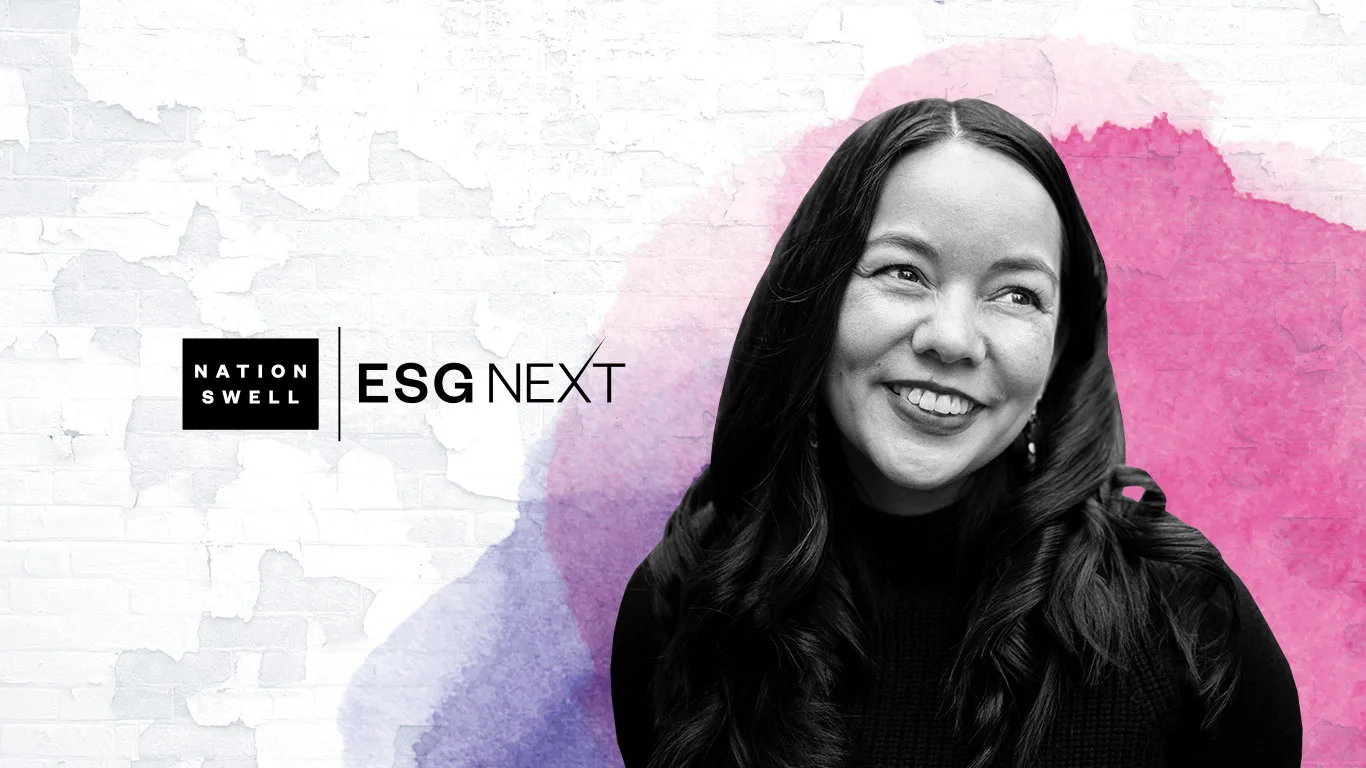
ESG Next: An Interview With Yelp’s Miriam Warren

At a moment of unprecedented attention, investment, and opportunity for the emerging field of Environmental, Social, and Governance (ESG), leaders are asking: Who is best preparing their organization for the society of the future? Who is innovating today to meet decades-long environmental and social goals? Who is setting standards that catalyze their industry’s change for the better? Who is defining what bold and aspirational look like — and how best to advance that work in practice?

Enter NationSwell’s ESG Next, an exemplary group of investors, executives, authors, philanthropists, social sector leaders, academics, and field builders who are helping to shape business as a force for social and environmental progress, advancing — and even pioneering — the most forward-thinking and effective programs, initiatives, technologies, methodologies, practices, and approaches.

For this installment, NationSwell interviewed Miriam Warren, Chief Diversity Officer at Yelp, about how her childhood home was the beginning of her journey to the field, the three questions she asks herself before pushing for corporate action amid pivotal social moments, and the fellow leaders that inspire her leadership.

Greg Behrman, CEO + Founder, NationSwell: How did your professional and personal journey lead you to this work?

Miriam Warren, Chief Diversity Officer, Yelp: My journey started as early as my earliest memories. I grew up in a home where I was the only person of color, and the only one who looked like me. Growing up without other Filipinos meant that I was always trying to understand how I fit in with my family, and more broadly, what family means. I didn’t have the words for it then, but that was the early spark that had me thinking about building communities where different people (myself included) can feel like they belong. 

I found my way to the corporate world, and eventually to Yelp, where I built the some of the first communities of contributors to the site. Eventually, I turned that same attention inward to help build the employee community at Yelp as its first Chief Diversity Officer. 

I feel grateful to be able to do work that is meaningful, helps others, and brings light to issues that aren’t talked about enough.

Behrman, NationSwell: How do you make sense of this moment in ESG? Where are we now, and where do you think we’re going?

Warren, Yelp: Despite the narrative that some parts of society want you to believe, the idea that businesses have social responsibility is not a new one. From the emergence of the cooperative movement in the late 19th century to the creation of the first corporate charitable foundation in the early 20th century, plenty of historical influences—Quaker principles, labor movements, and fair trade practices, among them—have laid the groundwork for demonstrating that businesses have a broader responsibility to society.

More importantly, the idea isn’t going anywhere. The stakes feel even higher than before, whether we are talking about political polarization, climate crises, social and economic inequalities, or any number of other core issues that define and threaten our society. Businesses will play a critical role in supporting their customers, communities, employees, and other stakeholders, particularly to the extent that other institutions that have historically served them are failing.  

Behrman, NationSwell: What are some of the programs, strategies, or initiatives you’re leading at Yelp into which other field builders should have visibility?

Warren, Yelp: We should all strive to be more proactive and less reactive, and the way to do that is to have a preexisting framework for evaluating issues so that we can feel like we are happening to the issues and not the other way around. 

Yelp’s framework asks three questions: how does the issue map to our values? Does it matter to our stakeholders? And most importantly, are we uniquely positioned—through our platform or our business—to drive positive impact?

Let’s take reproductive healthcare access as an example. Our values align with the notion that bodily autonomy matters. It was also clear that the issue matters to our employees, many of whom are located in states contemplating or enacting restrictive abortion bans. We hoped to drive positive change by introducing a travel benefit to ensure healthcare equality for all our workers regardless of what state they were in. We also knew that consumers use our platform to find reliable information about reproductive healthcare services, and that we were therefore uniquely positioned to help them find what they were looking for.     

Behrman, NationSwell: To which leadership practices do you attribute your success? 

Warren, Yelp: I have always felt strongly about the concept of calling people in, not calling them out. We’re all on a learning journey, especially in this type of work. At one time or another we’re going to use the wrong words or frame a situation in a potentially problematic way. I want to cultivate an environment where people can make mistakes and know they have space to learn from it.

It takes a lot of energy to do this work and to maintain the grace, compassion, and patience to meet people where they are. I welcome the opportunity to explain why people use different pronouns than you. I’m happy to discuss your confusion over Black History Month. I won’t lose my cool when it comes to enumerating the challenges that many women, and particularly mothers, face in the workplace. My goal is to engage positively, and if someone feels positively toward me, there’s a good chance they’re going to walk away with a better understanding of why these issues matter to others if not to them.       

Behrman, NationSwell: Who are the leaders that inspire your leadership?

Warren, Yelp: Rodney Foxworth is always at the top of my list. His mission-driven work is incredibly inspiring to me and informs a lot of the way I think about many things, from economic development and philanthropy, to being an effective nonprofit board member.

Erin Baudo Felter at Okta is a fellow tech funder and social impact practitioner whose work I hold in high regard. She and I met through another colleague in this space years ago, and it’s been so useful to think together through issues we’re both tackling. 

Lastly, I’d spotlight Vignetta Charles. She is the CEO of ETR, a nonprofit organization committed to advancing health equity globally. Vignetta’s leadership awes me while also reminding me that laughter and friendship go a long way in making this work sustainable. 

Behrman, NationSwell: What are you reading that inspires your leadership?

Warren, Yelp: I cannot overstate how powerful “The Persuaders” by Anand Giridharadas has been for me. It has given me an incredible amount of hope in a time that sometimes feels hopeless, and it’s given me a lot of fuel to keep going. One of my big takeaways from the book is that people who are engaged in changing minds and bridging divisions should talk much more about what we’re for—not just about what we’re against. That notion has really resonated with me and I’m working on applying it expansively in my life.


To learn more about how our ESG Next honorees are shaping business as a force for social and environmental good, visit the series hub. Yelp is a NationSwell Institutional Member. To learn more about membership in NationSwell’s community of leading social impact and sustainability practitioners, visit our site.

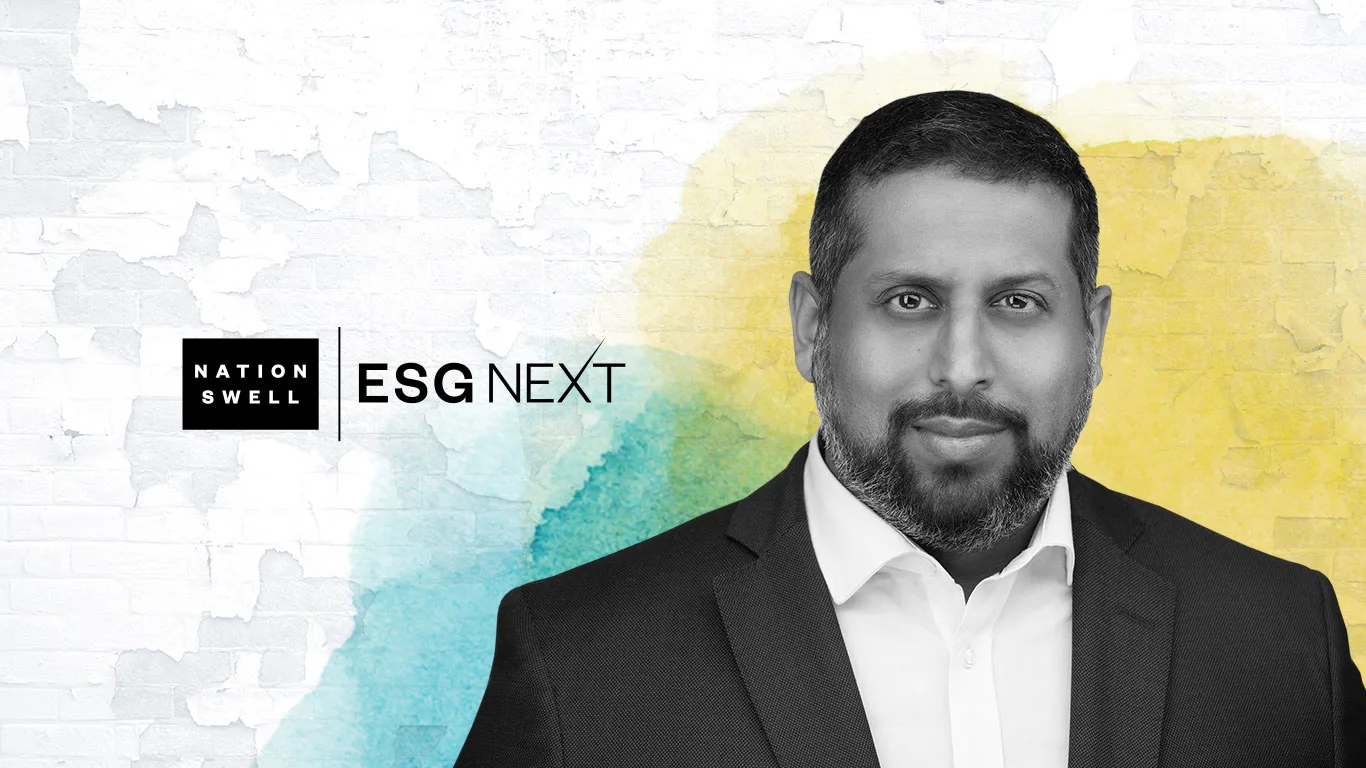
ESG Next: An Interview With PJMF’s Vilas Dhar

At a moment of unprecedented attention, investment, and opportunity for the emerging field of Environmental, Social, and Governance (ESG), leaders are asking: Who is best preparing their organization for the society of the future? Who is innovating today to meet decades-long environmental and social goals? Who is setting standards that catalyze their industry’s change for the better? Who is defining what bold and aspirational look like — and how best to advance that work in practice?

Enter NationSwell’s ESG Next, an exemplary group of investors, executives, authors, philanthropists, social sector leaders, academics, and field builders who are helping to shape business as a force for social and environmental progress, advancing — and even pioneering — the most forward-thinking and effective programs, initiatives, technologies, methodologies, practices, and approaches.

For this installment, NationSwell interviewed Vilas Dhar, President of the Patrick J. McGovern Foundation (PJMF), about what this moment in artificial intelligence (AI) means for ESG practitioners, the importance of pushing past digital literacy and towards digital agency, and the big questions that leaders should ask as we build an equitable and human-centered future enabled by technological innovation.

Greg Behrman, CEO + Founder, NationSwell: Tell us how your professional and personal journey led to this work.

Vilas Dhar, President, PJMF: My life’s journey has been defined by an insatiable curiosity and a commitment to accelerating innovation that sustains human aspirations, creativity, and joy. This socially minded curiosity was shaped by the time I spent with my grandfather in India.  At the start of each visit, I would proudly show him the new tools or gadgets I was developing and he’d always respond in the same way, “Now that I’ve seen how much joy and creativity these tools bring you, how can they also uplift the people in your community, in your family, in the world around you?” 

That question defines so much of my journey and is one I continue to ask myself today. I’m an incredible optimist about the world that we can build together, and that optimism started at a very young age. I had early exposure to amazing technologies: from exploring firsthand the technical innovation behind my favorite video games to hearing my mother describe how a computer was changing her job as an administrator at a university. I saw all the incredible ways these tools helped us spend more of our time doing the things that actually mattered — like connecting to each other — and helped us move away from rote mechanical tasks. Because of these technologies, we were able to use our creativity and inspiration to build cool things that, in a way, improved our lives. 

But at the same time that I was growing up and seeing all the transformative potential of technology, I also spent a lot of time with my family in rural India — in a world where technology hadn’t yet entered the picture. We’re not talking about computers here; we’re talking about basic things like power and running water. I remember these movements of contradiction so clearly because they highlight the frustrating tension that shapes so much of my professional journey: on one side, I have an unshakeable optimism about what we accomplish through ingenuity and shared action; and on the other, I can’t fathom why we are okay with a world where only a few get to enjoy the benefits of that innovation – simply because of who they are or where they grew up. 

We have to change that. 

Behrman, NationSwell: You’re an expert on artificial intelligence. What can you share to help moor ESG practitioners around what this current moment means? How can we lean in?

Dhar, PJMF: When I look out at the world, it feels like there’s actual potential for a transformation of power. These technologies are creating new agency for people across the planet, and we’ve been given — right here, right now — a chance to make decisions that include technology, but aren’t just about technology. They’re about who gets to participate, who gets to decide, and who gets to inform those decision makers. They’re about the uniquely human element of this transformation – one that will affect us all.

The big question isn’t about asking how to better understand these technologies and map their potential to the social justice work we do. We’ve already seen these new technologies do amazing things, from empowering frontline earth defenders to predict and stop illegal logging and poaching, to revolutionizing the efficiency of humanitarian aid delivery after a natural disaster. Now the big questions we need to ask are around our values and what we hold dear; how we’d reshape our very society; how we’d think about democratic and inclusive political processes to amplify marginalized voices; how we’d measure the value of our time and our labor; and how we’d re-design our governance structures and mechanisms of participatory decisionmaking.

We built an entire class of institutions after World War II that did amazing work in creating new economic opportunity and uplifting people across the battered postwar world — but that was almost 75 years ago. And while the private sector has moved forward and civil society has moved forward, we have to ask whether these institutions are ready for the challenges of the 21st century. Are these institutions fit to tackle the enormous scale of global hunger, injustice, climate change, pandemics, and beyond? Our positive frame is to ask, how do we convene all the different stakeholders in society to uplift global majority voices — and not just the Global North? How do we build new multilateral institutions that are fit-for-purpose, community-driven, and resourced to proactively address the major global challenges that we will face over the next 100 years?

Behrman, NationSwell: What are some activations that might enable leaders to better meet this moment?

Dhar, PJMF: Two categories come to mind: intention and action. We have to name and hold a set of intentions around building more inclusive and participatory decision-making infrastructure. That requires those who hold power to open the doors for those who aren’t traditionally included in those rooms, and it requires them to build trust with underrepresented or marginalized individuals so that they are willing to engage with us. 

I have deep trust in communities to define and shape their own destiny. So often, we’ve assumed that those who hold the power, privilege, and tools we are speaking about can make decisions for everyone else. But the truth is, communities are great at defining their own course. If we don’t intentionally engage them as the architects of their own future and proactively equip them with the right tools, opportunities, and support to succeed, then we’re missing the point.

Then, we have to understand that every person on the planet needs to experience not just digital literacy, but digital agency. It’s so easy to say that AI is this new thing on the horizon that’ll affect us in some profound way, but we actually need to understand these tools well enough to determine what their consequences might be on our lives. We need to create and nurture a shared and accessible language to discuss these tools and advocate for equity, justice, and human rights as they proliferate around us. That’s both an individual and collective intention we have to set. 

And then there’s the action. We need a new social conversation about what economic and moral structures we want to build. And we need to include voices across civil society, across government, across business, and across communities. We need conveners who will step forward to bring those groups together. And we need a bold willingness to act, to begin implementing what comes out of these conversations. I believe deeply in honoring human inspiration; what I mean by that is if someone has an amazing proposal, we can talk about it for months or we cantry it within just weeks. It’s the latter approach that will inspire and cement positive change.

Behrman, NationSwell: What are some unique programs or initiatives you’re leading at PJMF that other leaders may benefit from knowing?

Dhar, PJMF: We are re-envisioningwhat it means to be a philanthropy in the 21st century – where  grant making is now just one of the many tools we have to build public trust. We’ve restructured how we think about strategic intervention in civil society, moving from an idea where people apply for a grant and we make a decision — which just feels so disconnected from the outcomes we’re looking for — to a process in which we first strategize with civil society around what an ideal future would look like, and then collaborate with them to build programs to advance that future. That means, while we still make a lot of grants, we also partner directly with nonprofits to build capacity around data and AI, and we partner with governments and academic institutions to build entirely new frames of reference for human-centered AI.

To this end, we’ve recently built and deployed a new initiative called the Centre for Trustworthy Technology in partnership with Deloitte and the World Economic Forum. Together, we’re creating an entirely new convening space to think about policy for the AI-enabled age. We work directly with communities across the United States to support the idea that those who have traditionally been left out should be key architects of not only our technologies, but also of the societies we live in — groups like CodePath, Per Scholas, and The Hidden Genius Project.

We also work with AI scientists from Indigenous communities, and our work with the International Wakashan AI Consortium is emblematic of our approach. We support AI code camps on Indigenous sovereign lands to train young people to harness the power of these technologies and to give them a pathway to educational and professional opportunities. We also support their efforts to build new AI tools and models to preserve Indigenous languages, capturing thousands of years of ancient wisdom and applying that wisdom to a world that uses AI to translate and help young people connect to their own stories. 

Behrman, NationSwell: To which leadership practices do you most attribute your effectiveness?

Dhar, PJMF: My leadership style stems from a core belief that leaders have to be willing to call out what’s wrong in the world today; to call out inequity, injustice, and systemic exclusion as antithetical to the world we want to create. One key part of how I practice leadership is that I question the way things are done, and whether what we’re doing today is actually helping to build a better world. There are two benefits to asking that question. The first is more straightforward: if what you’re doing isn’t actually helping, you can ask the hard questions about what it will take to change the course of your actions; and the second is that by taking this first step as a leader, you enable and empower the community of people who work with you and around you to be able to do the same. 

This is a shared journey. If those of us on the journey can say we don’t like what we do, and if we can say we know there’s a better way, then the question you’re left with becomes a very human one: How do we come together to do better? And the answer to that question contains the real work of leadership, which is all about building trust; about becoming more humble and more curious so that others can make their voices heard; about making sure that our outcomes and our visions are aligned. As leaders, we need to demonstrate that we are truly accountable to each other; and we need to find and build spaces of shared joy to actually incentivize us to do more and do better.

When it comes to some of the issues that we focus on, we’ve become comfortable with the idea that there are technologists who make technology decisions and policymakers who make policy decisions. But for us, leadership is about empowering communities to know that technologists and policymakers should act as representatives of community interests, and that communities, too, have a right to participate in these decisions. At the end of the day, we want to affirm and show that we are here to support and serve communities along their own journeys of self-advocacy and self-actualization. And that also implies a responsibility for us to take shared ownership over the decisions.

Behrman, NationSwell: Who and what are inspiring your leadership right now?

Dhar, PJMF: At a foundation like ours, I come into contact with so many inspiring trailblazers, movement builders, and bold disruptors every day – that I couldn’t possibly name every one. But I’ll name a few here. Brandon Nicholson  runs The Hidden Genius Project, an amazing intervention that gives young Black men a full suite of support and engagement to help them find professions in technology. The Project started in Oakland, but Brandon scaled his work to multiple cities around the country; he’s just an amazing, incredible emerging leader. Gabriela Ramos, the Assistant Director-General of UNESCO, has taken this very deep international, global majority approach to thinking about how AI and technology are transforming all of our political structures. She’s a great writer, an inspiring leader, and a trusted colleague and friend. Michael Running Wolf is an Indigenous AI scientist who has committed his entire life to using these tools to connect people to the stories and wisdom of Indigenous culture. Through his leadership, we have begun to foster the next generation of young Indigenous coders, scientists, and changemakers. 

I also want to highlight the work of our partner: Tara Chklovski at Technovation — an organization that teaches girls technology and leadership skills to catalyze climate action across the globe. PJMF is proud to support and partner with civil society leaders like Tara, who are revolutionizing the application of technology to further social impact, gender equity, and empowerment. I’m sharing a recent quote of hers from THE Journal: “At Technovation, we want to champion the equitable adoption of new technologies and acknowledge as an opportunity that our students must learn how to engage with ChatGPT and use it to develop solutions to the world’s most pressing problems.” Tara and I recently hosted a LinkedIn live on “AI and Leadership: A Pathway to Girls’ Empowerment and Climate Resilience,” to dive into some of these problems and how our two organizations are partnering to address them.

In addition to the transformative changemakers I work with, I also derive inspiration from reading. One book that made a unique impression on me and my work was Tomorrow, and Tomorrow, and Tomorrow by Gabrielle Zevin – a story that reminds us of just how important it is to find joy and fulfillment in our lives and the work we do. The second is a tract that I’ve read many, many times in my life: Siddhartha by Hermann Hesse. It’s an inspiring work that shapes acceptance of the many, many paths to our own internal truth.

I also feel fortunate to work in a field that contains such rich discourse from a broad range of sources. For example, Politico’s Digital Future Daily is a tech newsletter that regularly features different experts in the digital space, ranging from Microsoft’s Chief Responsible AI Officer Natasha Crampson, to DAIR’s Timnit Gebru, to the Future of Life Institute’s Mark Brakel. These are critical resources to not only inform communities about how AI and other technologies might affect their lives, but to also foster democratic dialogue around forging an equitable and rights-based approach to AI development and use.


To learn more about how our ESG Next honorees are shaping business as a force for social and environmental good, visit the series hub. PJMF is a NationSwell Institutional Member. To learn more about membership in NationSwell’s community of leading social impact and sustainability practitioners, visit our site.

ESG Next: An Interview With Mastercard’s Shamina Singh

At a moment of unprecedented attention, investment, and opportunity for the emerging field of ESG, leaders are asking: Who is best preparing their organization for the society of the future? Who is innovating today to meet decades-long environmental and social goals? Who is setting standards that catalyze their industry’s change for the better? Who is defining what bold and aspirational look like — and how best to advance that work in practice?

Enter NationSwell’s ESG Next, an exemplary group of investors, executives, authors, philanthropists, social sector leaders, academics, and field builders who are helping to shape business as a force for social and environmental progress, advancing — and even pioneering — the most forward-thinking and effective programs, initiatives, technologies, methodologies, practices, and approaches.

For this installment, NationSwell interviewed Shamina Singh, Founder and President of the Mastercard Center for Inclusive Growth and Executive Vice President of Sustainability at Mastercard. We spoke with Singh about the “S” in ESG, her commitment to continued learning and service, and the power of leaning into the urgency of the moment.

Greg Behrman, CEO + Founder, NationSwell: How would you make sense of this moment in ESG? 

Singh, Mastercard: It’s an exciting time for sure, but it’s a time that’s born out of crisis. We face monumental climate issues and rampant income inequality on a global scale. This moment demands that practitioners maintain focus on what we’re genuinely aiming to solve.

It’s encouraging to see everyone across the spectrum trying to figure out how to get it right; but as investors, companies, politicians, and governments are all grappling with what ESG means for them, we have to remember that each group has its own unique incentives and roles. The task at hand is balancing these different perspectives, creating a unified approach, and maintaining urgency among lots of different stakeholders. 

Behrman, NationSwell: How is the field of ESG evolving? What’s next?

Singh, Mastercard: What comes next is the private sector continuing to navigate an increasingly dynamic regulatory environment. Between the EU and the US, requirements for measuring corporate climate impact will require greater resourcing and administrative attention. At the same time, more communities are experiencing climate change directly and in real time, managing mitigation and adaptation simultaneously. It’s that intersection of climate change and the related economic impact that’s on the agenda now.

There’s broad agreement about how we measure an organization’s environmental factors and impact, but we’re still in the sense-making stage when it comes to social factors. Current measures don’t capture the impact of private sector initiatives like financial inclusion, relief and aid tied to the war in Ukraine, and the development of COVID-19 vaccines. The thinking about how to measure what businesses do in the social impact space keeps changing, so even companies that have been doing this work for a while face the shifting challenge of how to capture and report their impact. 

Looking forward, there’s an opportunity to embrace standardization around the ‘S.” If we don’t, and if it continues to shift, there’s a chance that practitioners might deprioritize these efforts, particularly as the regulatory focus on environmental factors continues.

We can apply the best practices that have been used to standardize environmental factors to communicate social impact measure — and that’s one of the things we’re proposing at the Center for Inclusive Growth: a framework for the social factors that mirrors the environmental, which might help companies and other stakeholders to tell their story around the ‘S’ as clearly as they do around the ‘E.’  

The Greenhouse Gas Protocol Corporate Standard offers a model. In this protocol, Scope 1 covers the emissions that companies directly control, Scope 2 covers emissions associated with a company’s energy consumption, and Scope 3 covers the indirect emissions generated through the company’s supply chain.  We could use a parallel structure for social impact standards. Scope 1 could include the direct social impact of a company’s policies on its own employees. Scope 2 could account for how a company’s core competencies – like products, services, and work within supply chains — address societal challenges. And Scope 3 could encompass philanthropic giving, grants, and other community investments. 

This is a conceptual starting point, but the idea is to create a framework that quantifies the work companies are doing that provide a positive benefit to society.

Behrman, NationSwell: What’s unique about the work you’re leading? What are some approaches, strategies, or practices you’re deploying that other field builders should have visibility into?

Singh, Mastercard: There are three aspects of our work I’d like to call out. 

First is the unique framework we’ve established around creating impact. Though the Center is housed within Mastercard, we conduct independent research. It’s important to build our programs on an independent evidence base. The goal is to understand and utilize the assets of the company for social and environmental benefit, and to share that approach with the world. For us, this involves identifying and using Mastercard’s resources to progress toward these ends, and then ensuring our corporate activities are informed by these crucial issues. It’s the recognition that our business success depends on a healthy planet with an inclusive economy, and that we do well by doing good.

Secondly, as a company with extensive data assets, we recognize that data science can be harnessed for better decision-making—but unfortunately, social sector organizations are not building data capacity at a rate that will allow them to capitalize on a new data economy. 

In 2019, we established a program dedicated to building the field of data science for social impact. This initiative aims to enhance the social sector’s capacity to harness the power of their data. In partnership with the Rockefeller Foundation, we created data.org—an organization dedicated to building data science capacity around the world. Our aim is to close the information inequality gap, the growing divide between those who have data and those who don’t.

The third highlight is our focus on small businesses through a global initiative called Strive. We know that small businesses are the engines of the economy, and we are putting our assets to work to support their success. Strive supports businesses with a propensity for growth, and we focus our support in three areas: capital, digital transition, and market access. 

Behrman, NationSwell: Tell us about the Center for Inclusive Growth. How has it evolved?

Singh, Mastercard:  In modern corporate America, social impact isn’t always treated as a central business strategy. The Center for Inclusive Growth seeks to change that narrative by harnessing our company’s resources to generate meaningful change, primarily through a focus on financial inclusion. 

We founded the Center with clear principles for our work, all of which is rooted in evidence-based methods for applying the insights, impact, influence, and investments we have at our disposal.

Thinking about ESG, the Center’s role grows more critical. Many companies have a c3 foundation or an impact fund along with their primary business. The Center brings together these elements and helps determine the most effective application for philanthropic capital and business assets. 

Behrman, NationSwell: What leadership practices have helped you operate effectively?

Singh, Mastercard: I act upon the deep sense of urgency that I feel. It’s simply not acceptable to me that people are suffering, particularly in a world that’s rich with technology, medical advancements, and information. Yet, these resources aren’t being shared widely enough.

You see this sense of urgency reflected in the Center’s philosophy of creating networks. The premise is simple: One’s place of birth shouldn’t dictate their life’s trajectory. This concept of mobility resonates deeply with me. I believe everyone should have the opportunity to fulfill their potential.

Behrman, NationSwell: Is there anything you’ve read, watched, or listened to that has inspired your leadership?

Singh, Mastercard: There’s a book by Sendhil Mullainathan called Scarcity that has profoundly influenced my thinking. The book offers a nuanced and illuminating view on poverty, showing that people with limited resources are often excellent decision-makers because, from necessity, they’ve learned to operate in an environment of scarcity, not abundance. The goal then should not be to instruct them on what they should do, but to help them expand their bandwidth and time.


To learn more about how our ESG Next honorees are shaping business as a force for social and environmental good, visit the series hub. Mastercard is a NationSwell Institutional Member. To learn more about membership in NationSwell’s community of leading social impact and sustainability practitioners, visit our site.

ESG Next: An Interview With PwC’s Shannon Schuyler

At a moment of unprecedented attention, investment, and opportunity for the emerging field of ESG, leaders are asking: Who is best preparing their organization for the society of the future? Who is innovating today to meet decades-long environmental and social goals? Who is setting standards that catalyze their industry’s change for the better? Who is defining what bold and aspirational look like — and how best to advance that work in practice?

Enter NationSwell’s ESG Next, an exemplary group of investors, executives, authors, philanthropists, social sector leaders, academics, and field builders who are helping to shape business as a force for social and environmental progress, advancing — and even pioneering — the most forward-thinking and effective programs, initiatives, technologies, methodologies, practices, and approaches.

For this installment, NationSwell interviewed Shannon Schuyler, Chief Purpose and Inclusion Officer at PwC, about the importance of an organizational North Star, why there’s no more safe zone for having difficult discussions about society at work, building coalitions with unlikely allies, and why going deep is sometimes better than going wide.

Greg Behrman, CEO + Founder, NationSwell: Can you tell us how your professional and personal journey led you to the work you’re leading?

Shannon Schuyler, Chief Purpose and Inclusion Officer, PwC: As our organization’s Chief Purpose and Inclusion Officer, my team and I are responsible for PwC’s purpose initiatives, which include corporate social responsibility, philanthropy, and ESG-related considerations. We’ve always been purpose-driven as an organization, but what someone means when they use the word “purpose” has been in a state of flux, which can make it a challenge to maintain understanding and alignment around it. 

When my team began 26 years ago, we had a traditional definition of what we meant by purpose: Our purpose was to protect the capital markets. And while that’s an accurate summary of what we do, to me, it begs an even more profound question: Why do we do it? What is our North Star — our guiding principle — that encourages us to make the investments we make and take the actions we take? 

PwC’s North Star is building trust in society and solving important problems by advancing real progress on some of our communities’ most urgent challenges. And it’s my task to align that traditional sense of purpose with our North Star through the ways we approach ESG to solve these problems. And although ESG issues aren’t traditionally seen on the same level as protecting capital markets, they’ve now gained equal importance — and the urgency around them continues to evolve. 

That may not sound to you like your typical professional services firm, but that’s the difference that distinguishes and defines us: our need to be more innovative and creative. Because if we’re not actually solving the important problems, really, why do we do what we do at all?

Behrman, NationSwell: How would you make sense of this moment in ESG? How has the field evolved, and where is it going?

Schuyler, PwC: 20 years ago, leaders who cared about environmental and social problems were frustrated with the little action we saw. We all wondered when more people — more leaders of more organizations — were going to recognize the importance of these issues, and the profound longevity of these challenges. We all asked ourselves why more people weren’t taking action to solve problems that our children, and their children, will face one day. We all hoped more would join us in taking action, because that was the only way we’d ever stand a chance in actually driving progress. 

This is a textbook example of being careful what you wish for, because today, with ESG, we now find ourselves in the exact place we all envisioned. And now that we’ve arrived, we realize that things aren’t as clear as they look in the rearview mirror. Back then, we thought it was as simple as contributing to a philanthropy and that’s it — job done. However, we now understand that these issues are pivotal to the sustainability of our planet and society; they concern our collective ability to ensure the continuity of life, our economy, and our progress. The stakes are high and the path uncertain. People are eager for definitive answers, but the reality is we’re creating solutions as we go, with our work on full display for all to see.

It’s a daunting challenge, made even more daunting by the rapid pace of change. Consider this: It took more than a century to develop our current systems of financial statements and planning, but we’ve only had 15 years to learn how to account for carbon. The speed of these developments is remarkable, and the margin for error is slim. It’s a monumental task, but it’s exactly where we wanted — and needed — to be if there was any hope of making an actual difference for future generations.

Behrman, NationSwell: What are the pitfalls and concerns of where ESG is going — and what’s the promise of what can come next?

Schuyler, PwC: It’s really fascinating how our professional environment — not just at PwC, but really the modern workplace — has changed over time. I’ve been with the firm long enough that I remember when subjects like politics and race relations were just not discussed within the workplace. These were topics reserved for personal time — like maybe a heated Thanksgiving debate — but certainly not something addressed daily at work.

That’s all changed. Today, these issues confront us every day, and we absolutely must address them. These issues are literally at our doorsteps and within our buildings. The sidelines have disappeared; there’s no safe zone to relegate these discussions. We’ve never done this before, but we can’t avoid it now. 

But the challenge lies in figuring out how to, in the workplace, discuss societal issues like horrific racial incidents in a way that’s respectful, appropriate, and capable of driving change; and alongside those issues, we can’t avoid talking about the reality of climate change when storms are devastating Midwest towns overnight, leaving people homeless due to insufficient resilience in these smaller cities – because the equity piece of the equation is present in both. 

It’s difficult to know how to react because these situations stir up a lot of anxiety and emotion. Trying to make decisions amid this emotional upheaval has made the task more challenging. But if there’s an upside, it’s that the urgency of these issues has become more apparent. People can’t ignore what they see on the news or what’s happening in their cities. They may not like it, but they can’t pretend it’s not happening. The issues are too glaringly apparent.

Some practitioners say, “ESG is really a nascent field, we’re just beginning, we’ll get it right down the line.” But we don’t have the luxury of saying that we’re at the starting line anymore. We’re in the game, and now we’re forced to run plays. And the people watching us are chanting, “When are you going to score?” And they’re waiting for that score because if we don’t deliver, then they’re going to say that this isn’t valuable, and you actually can’t make a change.

People don’t want to hear, “Give me 10 years to get this run and then I can get it!” We have to get it right now. We have to be able to show that we can actually make change happen sooner than what has occurred in other industries because this has to be validated, so we can prove it shouldn’t go back to being something that only a handful of companies focus on. And if we don’t realize that, we could lose — we could go back to where we were 20 years ago.

Behrman, NationSwell: What’s unique about the work you’re leading? What are some approaches, strategies, or practices you’re deploying that other field builders should have visibility into?

Schuyler, PwC: A decade ago, the focus was on who could pledge the largest sum or reach the most people. Now, the focus has shifted towards making a deeper impact on a smaller number, rather than just reaching a mass scale with something less substantive. 

Our progression with Access Your Potential reflects this change. The focus is now on employment, on preparing people to start their careers. We’re not just providing tools for personal upskilling, which is important, but we’re also creating pathways for people to join companies like ours and others.

With Access Your Potential, we’re saying it’s not just about providing the right connections, curriculum, and visibility. We want to ensure there’s a tangible outcome — a place where you can be successful on your own terms, and find a career path for the future support through newly developed skills and network.

We’ve moved from reaching 12 million K-12 grade students and helping them to sharpen their financial literacy skills to providing deeper support to 25,000 Black and Hispanix/Latinx college students. The depth of that support includes providing them with the tools, mentorship, and financial understanding they need to find jobs that allow them to sustain their lives. We’re committed to bringing them into our firm or, if their interests lie elsewhere, helping them find other opportunities.

Another significant development is the way we approach coalition building with our competitors to drive industry-wide change. 

Our leadership with CEO Action for Diversity & Inclusion is an example of this. We’re bringing industries together, like retail or private equity, to discuss and solve common issues – with over 2,400 signatories to date. We’re collectively addressing DEI issues impacting the workplace, sharing successes and failures, and holding ourselves accountable. Now in its sixth year, this effort began with companies that had already made significant internal strides and were ready to extend their efforts beyond their own walls. By changing society, participants believe we can further advance our internal efforts.

We also have around a hundred companies ready to be part of policy change who are working together as part of CEO Action for Racial Equity. Their policy teams are  engaging in state-by-state dialogues about potential changes specifically affecting the Black community in education, healthcare, economic empowerment, and public safety. They’re spending time in the most challenging cities, working with governors and mayors, and discussing what businesses want.

Eight different topic areas are being explored by these companies. We’re not shying away from discussing politicized or controversial issues like cash bail — we’re looking at them collectively, asserting that business wants to be part of these discussions and should have a say in large bills being passed.

Behrman, NationSwell: What leadership practices have helped you operate effectively?

Schuyler, PwC: First off, I’m immensely curious by nature. A lot of what I know wasn’t taught to me in a conventional sense. I’ve gained most of my knowledge because people are now writing books and sharing information on these topics, which fascinates me. There’s always something new to learn in this ever-changing field, and I’m genuinely interested in uncovering what I don’t know and learning more about it.

Secondly, I’ve developed an incredibly thick skin over time — and that’s something I didn’t have at the start of my career. Whenever we share something with the public, I know the reaction will be split. Half the people will appreciate it, and half will criticize it. Sometimes, people even send me scathing feedback. But you know what, that’s okay. I always appreciate the input, and I can only say, “I did my best.”

The key is to not shy away from criticism. We, as a firm, have decided what we stand for and what we’re going to do. Not everyone is going to like it, but we’re open to having conversations because we want people to understand our stance. But it’s crucial that leaders remain firm in their position. It requires courage and unwavering commitment, especially since these matters are often emotionally charged. It might be tempting to hide away from the backlash, but that’s not an option if we want to make continued progress.

Behrman, NationSwell: What inspires your leadership?

Schuyler, PwC: Coalition building inspires me. I’ve always been a proponent of unity and collaboration, and it’s heartening to see people with shared interests come together, even if they don’t agree on everything. The power of these coalitions of seemingly unlikely allies is what I admire the most.

On a personal level, Adam Grant has been such a source of inspiration. The way he communicates ideas has been instrumental in shaping my understanding of the world, and helping me slow down for a bit.

With business leaders putting a stake in the ground, they become catalysts that reassure us we’re not  alone in what we were doing, in caring about what we care about.

NationSwell Collaboratives: Making the Case for Childcare

NationSwell Collaboratives are a vehicle for bringing together committed actors to push towards collective action on a specific issue. Anthony Smith, NationSwell V.P. of Editorial, spoke to Uyen Tieu, NationSwell President, Amy Lee, NationSwell Chief Strategy Officer, Allie Mahler, NationSwell Senior Strategy Director, and Austen Zoutewelle, NationSwell Associate Director of Strategy, about the Case for Childcare Collaborative, a cross-sector coalition working to solve our nation’s crisis of childcare and help 1.1 million women return to a better workplace than the one they left at the outset of the pandemic.

Anthony Smith, NationSwell V.P. of Editorial: Why should leaders make the case for childcare?

Uyen Tieu, NationSwell President: The moment for leaders to make the case for childcare has been such a long time coming. This isn’t a new conversation in America, but it’s one that till this point had been led largely by women, experts, and activists. It took the wide scale disruption of the pandemic to get us to where we are now, where it’s now as clear for men — especially fathers — as it has been for us. We have to take advantage of this moment.

NationSwell: How did the work begin?

Amy Lee, NationSwell Chief Strategy Officer: Our first step was to recognize the mass exodus of women that left the workplace during the pandemic. At the beginning of the Covid era, 2 million women left the workforce; 1.1 million still have not returned. Their reasons aren’t just because of the tangible realities of school shutdowns and the lack of childcare — they’re about societal norms around which parent is chiefly responsible for caregiving.

One of our Studio partners told us, “We really want to work with you to tackle the problems that working womxn* and caregiving womxn are facing,” and that’s really how our Collaborative was born — out of the idea that we didn’t just want to help these women get back to work, we want to build the structures that allow women to actually thrive at work once they return.

Allie Mahler, NationSwell Senior Strategy Director: Collaboratives are all about building coalitions of committed actors for scaled, collective action. We have an incredible group of partners that have coalesced around this Collaborative initiative: American Family Insurance, Annie E. Casey Foundation, Caring Across Generations, National Domestic Workers Alliance, Working for Women, and others. It’s a powerhouse group who each bring unique expertise, funding, programming, organizing capabilities, and community to the table. I have no doubt this group will move mountains when it comes to helping businesses support low wage workers and the caregiving economy.

NationSwell: What are some of the challenges facing working caregivers in this country?

Austen Zoutewelle, NationSwell Associate Director, Strategy: Given what we know about economic disruption, it’s unsurprising that the women who are most affected by the lack of childcare in this country are women without a college degree, women of color, and small business owners. 

But one big learning for us is that the care industry — not only for early childhood education, but also for eldercare — is predominantly run by women. So not only are working mothers being affected by this disruption, but working mothers within the industry of care are also affected — even as we expect them to be at the frontlines of this crisis. Not only does that lead to fewer workers, it leads to fewer options for daycare and childcare. 

NationSwell: What advantages does the Collaborative model provide in tackling this challenge?

Lee: Philanthropy and corporate social responsibility functions are evolving at a rapid pace. Legacy models have been focused on a personal or organization-specific mission, but the new generation of leaders in this space have embraced the idea that these issues — whether it’s climate change or childcare — are too large to be solved by one person, or one family foundation, or one organization alone. We have to work together. And at the same time, we need to provide funders with a way to see what their peers are doing so that we don’t support redundant work.  

Collaboratives allow us to do exactly that — we bring funders and committed actors together to deepen and broaden their impact. We allow them to look across the space and really identify where there are unmet needs. And it also allows them to work together with partners that may not organically be at the same table without our support. 

Tieu: One of our partners said it the best: This time can be different because the table is different. NationSwell approaches this work with the nuanced understanding that the players need to work towards something that can last.

NationSwell: How is the case for childcare personal to you?

Tieu:  I’m a mom, I’m a daughter, I’m a woman, and I’m a business leader. If we’re to compete without actually addressing the urgent need for childcare, there’s going to be a knock-on effect across every aspect of society. The problem is too urgent to rely only on federal policy change. If committed actors come together now to co-create the roadmap, we can turn the case for childcare into a reality.

Zoutewelle: I watched my mom balance raising three kids and working full-time when I was in high school. She still manages caring for my brother with Down syndrome while working full-time. I’ve seen first hand the urgency of this issue, the importance of flexible working arrangements, the necessity of public policy to support parents, and the need for collaborative, systemic strategies for making an impact. The urgency is even greater for women of color in low-wage industries. It’s important to me to elevate this work so that more women can participate in the economy and feel supported as a parent. It’s critical for our moms and the future generations.

Mahler: This work is incredibly personal to me. I just returned back to work at NationSwell as a mom of two young babies under two years old while also leading our Strategy team. I love what I get to do at work, and I love my daughters, but it is not only mentally and physically taxing on a daily basis but also financially taxing to coordinate care for my children. During my maternity leave, I thought daily about how fortunate I was to have the time to connect with my daughters, and how so many women and their families are taken too soon from their babies as they go back to work at 6 or 8 weeks post-delivery. That’s why this work inspires me and lights a fire for me.

Lee: I am a privileged white woman, but nonetheless the pandemic showed me how hard it is to be a working parent. My children were one and three years old when the pandemic started, and my husband and I were suddenly thrust into full-time childcare and a full-time job at a time of huge uncertainty and fear. We were only just able to make it work and that was with the benefit of being able to work remotely and having a flexible, empathetic employer. I can’t even imagine how hard it must have been for people working shifts, or people from single parent families.


For more information on Collaboratives, visit our site.

Editor’s Note: To exercise intersectionality and inclusion, one member of our collaborative uses the spelling “womxn” whereas other members use the traditional spelling, “women.” You can learn more about “womxn” and other forms of intentional, lexical inclusion at the Womxn’s Center for Success. 

Diversity, equity, inclusion, and belonging: U.S. certifications and recognitions 

Diversity, equity, inclusion, and belonging: U.S. certifications and recognitions 

CURATED COLLECTION

From the Great Resignation to the Great Reshuffle, one thing is clear: workers want good workplaces alongside good jobs. For employers, however, it can be a challenge to signal their value to prospective employees or retain current talent in a tight labor market. Although external validation can never capture the true experience of what it is like to work at any one place, certifications, awards, or other public recognitions can offer employers the opportunity to pursue and promote excellence across a variety of DEIB dimensions.

This Curated Collection provides social impact leaders in the private sector with a roundup of United States-based certifications and “best of” recognitions related to different aspects of diversity, equity, inclusion, and belonging (DEIB). 

The collection includes the following: 

  • Certifications achieved based on company-submitted applications 
  • Recognitions achieved without needing to apply

Share this report

The Takeaway | Inclusive Leadership: How We Lead Online and Offline

The pandemic ushered in a wave of fresh challenges for companies and leaders, but it also served as a much-needed pause for leaders to reflect, retool, and reset. Now, nearly three years on, we’ve inherited a radically transformed workplace environment — and we’re tasked with implementing some of the carefully considered changes that will better serve our teams and help us to create the workplace of the future.

In a conversation hosted by the NationSwell Council community on Wednesday, we came together to parse exactly what leaders are doing to address DEIB goals, team attrition rates, competing needs amid a newly hybrid working world, and more.

Here are some of the key learnings from the event.


  1. We often think of how we create value for customers — now it’s time to start thinking about how we create value for our teams. New, remote work challenges have prompted a slew of new questions about how to keep teams engaged and how much “in-person” time is actually needed. Some leaders who are used to thinking about how to create value that makes customers want to show up are now flipping that question on its head, asking what they can do to incentivize team members to work from the office. Creating a hybrid schedule where employees are only expected to come into the office on certain days of the week — and then offering special perks, like free lunches and special affinity group meetings on those days — can be a helpful system for making team members feel like their time in the office is valuable and worth it.
  2. Building out effective listening engines will be critical to accurately assessing employees’ needs. With so much shared wisdom on how to respond to team members’ post-pandemic needs flying around, it can be tempting to impulsively deploy some of those solutions and policies, especially given that the underlying assumption is that they will make employees’ lives easier. But as one member pointed out, not every team member’s needs look the same — and it’s important to build out an infrastructure for feedback that ensures that you’re capturing your specific team’s needs as accurately as possible.
  3. Pay as much attention to why people are staying as you do to why they’re leaving. When it comes to high turnover rates, the intuitive response is to get to the bottom of why people are leaving and what can be done to mitigate the departures. But it’s equally important to figure out why people are staying — and which policies are actually working — so that you can be sure-footed in creating an environment that people genuinely want to be in, and not just one that they’re not ready to leave.
  4. If you value DEIB, put a premium on mental health. Team members’ mental health and well-being naturally dovetails with DEIB concerns: conversations about compensation, job security, hybrid work schedules, pipelines for advancement, and more are inherently stressful, and play a huge role in employees’ livelihoods and psychological safety both inside and outside the workplace. Investing in wraparound support structures can help to ensure team members’ happiness and well-being in the long run, and can set your organization up to more sustainably foster a workplace that is diverse, equitable, and inclusive.
  5. Work with team members to build hybrid schedules that suit their lives and needs. Rather than mandating that employees be in the office at certain times on certain days, create flexible mechanisms by which team members can choose to work from home when needed, as long as they let team members know well in advance. 

The NationSwell Council community brings together a diverse, curated community of bold individuals and organizations leading the way in social, economic, and environmental problem-solving. Learn more about the Council here.