Technology is reshaping healthcare access, but progress is uneven. AI, digital tools, and data platforms have the potential to extend care to underserved communities, address workforce shortages, and improve outcomes. At the same time, gaps in infrastructure, trust, and governance risk widening disparities rather than closing them.
On May 5, NationSwell convened a group of leaders from the healthcare, technology, philanthropy, and the social sectors to unpack how AI and technology can be used to connect more communities to quality care. Together, the group focused on practical strategies for deploying technology responsibly, building partnerships that center community needs, and ensuring that innovation strengthens equity, affordability, and trust in healthcare systems. Some of the most salient takeaways from the discussion appear below:
Key Takeaways:
Ensure that technology empowers community health workers as relationship builders. AI and tech are most valuable when they augment the work of community health workers rather than substitute it. The trusted, relational role that CHWs play in their communities is the irreplaceable foundation of effective care connection. All technology deployed should be designed to protect and extend that capacity.
Design AI tools with CHWs and communities. The most responsible AI adoption in healthcare requires community health workers and the communities they serve to be active participants in tool design. Without mechanisms for feedback, bias mitigation, and accountability, technology risks widening the very health inequities it aims to address.
Prioritize data security and trust as foundational. Organizations working at the intersection of technology and community health must treat data stewardship with the same rigor as the healthcare system itself. Achieving certifications, committing to governance structures, and designing platforms that bring AI into the human loop are essential to maintaining the trust that makes community engagement possible.
Address the full picture of need, not just point-of-care data. Existing data systems often capture only what brings someone into the healthcare system, missing the co-occurring social determinants of health that shape outcomes. Continuous, relationship-based data collection with the support of technology can surface a more complete and actionable picture that enables both better resource connection and effective advocacy.
Invest in AI literacy and critical capacity for the CHW workforce. Community health workers need both the practical skills to use AI tools effectively and the critical frameworks to evaluate how those tools are designed and deployed. Approaches that build competency while also developing CHW voice in governance and advocacy are critical to ensuring that the workforce shaping communities is not left behind as technology advances.
Build toward interoperability and sustainable models. For community-based organizations to achieve lasting impact through technology, they must be able to integrate securely with healthcare payer systems. Achieving interoperability opens pathways to revenue that sustains mission-driven work in ways that philanthropic funding alone cannot.
Shift the question from “can we?” to “should we?” Across sectors, the most important orientation toward AI adoption is not simply capability, but intentionality. Keeping the focus on how technology can better serve CHWs, and continuously asking whether each application advances their interventions, is the compass that keeps this work on the right path.
We are currently living through one of the most profound shifts in the history of work. As AI, automation, and other emerging technologies redefine jobs, skills, and career pathways wholesale, leaders across sectors are being called to meet these industry-wide undulations head-on and help shape what comes next.
That imperative is at the heart of NationSwell’s new Workforce Innovation Collaborative — a cross-sector effort designed to help leaders explore emerging workforce trends and co-design scalable solutions for a more future-ready and inclusive economy. Through shared learning, strategic dialogue, and collective action, the Collaborative aims to create the kind of trusted space leaders need to navigate uncertainty and create a future-ready workforce where every person has the skills, opportunities, and support to succeed.
To mark the launch of that work, NationSwell invited leaders from the Collaborative to respond to a shared prompt:
Which emerging signals are giving you the most optimism about the future of work right now? And where do you currently see the greatest opportunity to build a system that is more responsive to where work is headed next?
Although their responses reflect different vantage points, they converge around the common belief that the future of work will be shaped by how well leaders connect learning to real opportunity, pair innovation with inclusion, and design workforce systems that can adapt as quickly as the world around them changes.
Prompt: Which emerging signals are giving you the most optimism about the future of work right now? Where do you currently see the greatest opportunity to build a workforce system that is more responsive to where work is headed next?
“We are at an inflection point in the future of work, and I believe the greatest source of optimism and opportunity is in mastering the art and science of building truly responsive workforce systems.
The science is the strategic leveraging of predictive labor market intelligence. By shifting away from reactive measures, we can now leverage data and insights to anticipate skill demands driven by global trends. Our data provides the scientific rigor needed to pinpoint future talent shortages, standardize risk indicators, and replace guesswork with reliable, real-time insights, allowing us to accelerate our workforce investments across the globe.
However, the true opportunity — the art — lies in translating those insights and data into hyper-local execution that allows us to co-create with the communities we work in. This essential human-centered approach ensures our work doesn’t just fill a business gap, but actively builds equitable, transparent systems that deliver a net-positive impact in local communities. We achieve this by cultivating bespoke, long-term partnerships with community leaders, educational institutions, and nonprofits.
Linking our global data-driven approach to local trust and co-creation is the systemic approach necessary to ensure our interventions foster equity and accessibility, building the sustainable, resilient workforce the future demands.”
— Courtney Williams, Global Workforce Development & Labor Market Intelligence, Google
“Across the Design and Make industries, I’m seeing promising workforce solutions that connect access, applied skills, and real hiring pathways. It’s no longer enough to train people on tools in isolation — what’s emerging now are integrated models that build capability in real workflows, validate those skills through industry recognized credentials, and link learners directly to opportunity. That’s how we ensure both students and experienced professionals can adapt and thrive as technology reshapes the future of work.”
— Kate Buchanan, Workforce Innovation & Investment Lead, Autodesk Foundation
“Right now, what gives me the most optimism about the future of work is the growing consensus that, as AI reshapes roles, human-centric skills — critical thinking, communication, and creativity — matter more, not less. It’s really important that optimism is matched with action in this moment, and through Barclays LifeSkills, our programs are helping people to develop these skills in order to differentiate themselves for current and future roles.
As we look at the workforce development sector, the greatest opportunity is to build a system that keeps pace with change by connecting learning to work earlier and more often, and by updating training as employer needs evolve faster. That means scaling employer-aligned earn-and-learn pathways — apprenticeships, fellowships, internships and project-based work — so learners graduate with an increased level of experience. It also means widening access to growth sectors, including AI-enabled roles and the skilled trades, where we continue to see strong demand. Through Barclays LifeSkills, we’re working across our partnerships to turn demand into clear routes to good jobs.”
— Deborah Goldfarb, Global Head of Citizenship, Barclays
“What gives me optimism is how clearly manufacturing and industrial skills are being redefined as both high-tech and people-driven. Advances in automation, digital tools and connected systems are changing work on the factory floor and at job sites. Realizing the full value of those advances depends on sustained investment in our people through skills-building, learning and clear career pathways. I’m also encouraged by how employers are engaging more intentionally with collaborators beyond their organizations. We’re witnessing stronger coordination among educators, workforce systems and local communities to ensure training keeps pace with technological advancement. This alignment — of innovation, skills and purpose — is a compelling signal that manufacturing can provide meaningful, fulfilling careers in a dynamic industry.
One of the greatest opportunities lies in modernizing workforce systems to evolve alongside the technologies shaping manufacturing. High schools, community colleges and regional training providers are critical anchors in this system, and we need to align more closely and dynamically with them, given that roles and skill requirements are changing faster than traditional training cycles can keep pace.
That means co‑designing training pathways that blend hands‑on experience with digital and technology‑enabled learning. It also means creating opportunities for continuous upskilling throughout a career. When workforce systems are built to adapt — rather than react — they not only prepare people for today’s manufacturing roles, but also for the future. They also help ensure the industry can remain innovative, competitive, and resilient over the long term.”
— Asha Varghese, Head of Corporate Social Responsibility, Caterpillar Inc. and President of the Caterpillar Foundation
“We are seeing a historic surge in systems readiness work at the local, state, and national levels. Stakeholders in the workforce ecosystem sometimes work in silos, but I’m seeing sustained interest in collaboration, especially across sectors. We are collectively examining what worked in the past to determine what must evolve for the future.
There’s also growing consensus that career journeys of the future will be less linear. We know upskilling isn’t one-dimensional. It might mean deepening expertise to grow within an existing career trajectory, diversifying skills to transition into an adjacent role, or pivoting into an entirely new profession. A big opportunity right now is to reimagine our support systems to recognize this full spectrum of movement, ensuring that our infrastructure is as flexible as the workers it serves.”
— Diana Fischer, Senior Director, Workday Foundation
Across the impact field, efforts to advance economic mobility and inclusive growth are encountering friction with the language we use. Wealth is often understood narrowly as accumulation or privilege rather than as a practical foundation for stability, choice, and long-term opportunity. When the narrative is muddled or loaded, it becomes harder to build durable public support for policies and programs that expand economic power.
On April 23, NationSwell invited leaders from the philanthropy, business, and social sectors to a conversation on how the impact field can develop a clearer, more inclusive narrative and vocabulary around wealth. Together, participants discussed how words like ownership, assets, security, and opportunity are landing today, where they fall short, and how reframing can better support economic mobility and inclusive growth initiatives. Some of the most salient takeaways from the conversation appear below:
Key takeaways:
Shift narratives from individual financial behavior to structural drivers of wealth. While personal choices play a role, wealth outcomes are often shaped by structural factors, such as employer retirement benefits, housing markets, and federal policies, rather than individual choices. Personal stories often highlight how factors like low wages, lack of access to capital, student debt, and historical inequities (e.g., redlining, exclusion) shape financial outcomes over generations. It is important to move away from framing wealth as purely a result of personal decision-making and toward acknowledging systemic influences.
Use more relatable language to describe wealth and financial well-being. The term “wealth” can feel abstract or associated with extreme affluence, making it hard for many people, especially young people, to relate to. Reframing wealth in terms of savings, financial stability, or the ability to handle everyday expenses makes the concept more accessible. For example, wealth in practical terms can be described as having savings that provide a buffer against unexpected events and enable future investments like education or housing. This framing reflects how many individuals and young people actually experience financial well-being.
Normalize investing as accessible to all income levels. Individuals and communities often have the capability to build wealth but lack access to financial, social, and knowledge capital. Research shared in the discussion showed that many individuals, including those with retirement accounts, do not see themselves as “investors” and instead associate investing with a narrow demographic. Shifting this perception, so that people view themselves as investors regardless of income, is critical to changing long-term financial behavior.
Move beyond financial literacy toward asset-building opportunities. Programs focused only on budgeting or financial literacy don’t meet the needs of all populations. More effective approaches include pairing guidance with tangible opportunities – such as matched savings programs, early investment accounts, homeownership support, and youth “earn and learn” initiatives – that enable actual wealth accumulation. Additionally, social capital, especially through mentorship, is a key mechanism for helping individuals navigate systems like financial aid, education, and homeownership. Building and scaling these relationships can support broader access to economic mobility.
Bridge place-based and national approaches to wealth-building strategies. It is important to combine locally tailored strategies – grounded in community history and context – with broader national resources and infrastructure. This balance can help scale solutions while maintaining relevance to specific communities.
Improve how insights and solutions are shared across philanthropy. Philanthropy does not always effectively share knowledge about what works. Better distribution of actionable insights, especially in accessible formats, is a major opportunity for increasing impact in the community wealth-building field.
AI is moving fast, but grantmakers are rightly cautious. Funders are under pressure to move money more efficiently, learn faster, and support grantees better, all without adding risk, burden, or opacity to an already complex system. The question is no longer whether AI will touch grantmaking, but where it can actually add value—and where it shouldn’t.
On April 16, NationSwell invited philanthropic and impact leaders to take part in a conversation on the practical use of AI in grantmaking. The conversation featured ideas about when AI can meaningfully improve decisions and workflows and how to adopt it in ways that strengthen, rather than undermine, equity, accountability, and relationships with grantees. Some of the most salient takeaways from the discussion appear below:
Key takeaways:
Assess where AI meaningfully adds value across the grantmaking process. Rather than applying AI indiscriminately, organizations should take a step back and evaluate workflows end-to-end to determine where these tools can be most effective. A thoughtful, system-level approach can promote AI application in ways that enhance, rather than complicate, existing processes.
Use AI to streamline manual and error-prone grantmaking workflows. Financial due diligence can be a highly manual, time-intensive, and error-prone process, often involving spreadsheet-based analysis or visual review of financial statements. AI tools like Grant Guardian were developed to improve accuracy and efficiency in this specific workflow.
Reinvest time savings from AI into deeper grantee engagement. Small grantmaking teams often face hundreds of applications, creating capacity constraints. AI can be used to support summarization, rubric-based pre-review, and prioritization to help manage this volume. The reduction in processing time, from hours to minutes, can allow staff to spend more time having meaningful conversations with grantees and improving the quality of their work.
Recognize and normalize AI use among applicants and grantees. There is growing recognition that applicants and grantees are using AI to improve efficiency, particularly in drafting and responding to applications. When used thoughtfully, this can help reduce administrative burden, though differentiation still relies on the substance of proposals and outcomes.
Consider supporting grantees’ capacity to adopt AI tools and infrastructure. As AI becomes more embedded in workflows, there is an opportunity for funders to think about how grantees can access and use these tools effectively. Supporting this capacity, particularly through flexible, operational funding, can help organizations integrate AI in ways that enhance their work, rather than treating it as a one-off programmatic expense.
Develop and deploy AI systems with responsible AI principles. Specific principles should guide all AI adoption work in grantmaking, including safety and transparency, community-centered design, bias mitigation, human-in-the-loop validation, enterprise-grade security, and sustainability considerations. Start AI adoption through structured experimentation with clear guardrails, and consider empowering early adopters to test tools within defined parameters (e.g., “stoplight” approaches to acceptable use). These frameworks can also support clearer communication and transparency about how AI is being used.
Consider AI disclosure as contextual and relational: Whether and how to disclose AI use in grantmaking processes depends on organizational policies and levels of AI involvement. While practices may vary between organizations, especially as technology grows and with wider experimentation, keep a relational and trust-based mindset.
Maintain human oversight as a core requirement in AI-assisted workflows. AI is never a substitute for human judgment, and validation and verification by users must be built into the process. Being explicit about this, both internally and externally, can help reinforce trust, particularly in a field like philanthropy that is deeply relationship-driven and values human expertise.
Design for customization of AI tools to reflect different evaluation contexts. Grantmaking organizations assess financial health and programmatic fit differently, and AI tools can be configured with varying metrics, thresholds, and profiles to match those needs. This flexibility can also support more context-sensitive and equitable evaluation approaches; for example, assessing early-stage organizations differently than more established ones.
As AI and automation accelerate change across the labor market, predictive analytics offer powerful tools to anticipate which jobs, skills, and communities face the greatest risk – and where new opportunities are emerging.
On April 14, NationSwell convened a group of cross-sector leaders for a conversation on how data-driven insights can inform equitable training pathways, smarter investments, and workforce systems that are more responsive, inclusive, and resilient – ensuring workers are prepared for what’s next. Some of the most salient takeaways from the discussion appear below:
Key takeaways
Build workforce systems around capabilities, not credentials. A skills-first labor market only works if the underlying data infrastructure can recognize how people actually build skills through work, not just through degrees. When systems continue to privilege credential proxies over demonstrated capability, they miss large pools of qualified talent and reinforce inequities that workforce initiatives are meant to solve.
Pair predictive tools with better upstream data. Forecasting tools are only as strong as the signals they rely on. If workforce data continues to over-index on traditional credentials or lagging indicators, even sophisticated models will reproduce old blind spots; the real opportunity is to feed these systems richer, skills-based, real-world signals that surface emerging pathways earlier.
Invest in verified outcomes data, not just self-reported program metrics. Too much workforce decision-making still depends on incomplete or anecdotal outcome data. Expanding access to administrative wage data and other verified sources can help providers understand which programs are actually driving employment and earnings gains, and make more strategic decisions about what to scale, refine, or retire.
Use labor market data to map mobility, not just demand. It is not enough to know which jobs are growing. More useful systems help workers and practitioners understand how people can move from one role to the next based on shared skills, adjacent occupations, and realistic transition pathways, especially in a labor market where workers will increasingly need to pivot across sectors over time.
Treat durable human skills as core infrastructure. As AI and automation continue to reshape tasks, foundational capabilities like problem-solving, judgment, adaptability, collaboration, and communication are becoming more valuable. Technical requirements will keep evolving, but these underlying skills are what allow workers to remain resilient and mobile across changing tools, roles, and industries.
Redesign learning environments for experiential learning, not just memorization. Traditional teaching methodologies are increasingly challenged in a labor market where workers are expected to interpret information, make decisions, and adapt in real time. Experiential learning where people must apply knowledge, navigate ambiguity, and solve real problems better prepares learners for a world in which execution is increasingly automated and judgment is the differentiator.
Center the learner’s lived experience when designing workforce pathways. Workforce systems often default to employer demand signals and institutional priorities, but durable pathways require equal attention to how individuals actually make decisions. People choose careers based on identity, values, belonging, perceived risk, and developmental stage so the strongest systems help learners navigate options rather than simply presenting them.
Avoid replacing one rigid pathway with another. As enthusiasm grows around alternatives to four-year degrees, there is a risk of steering lower-income learners into workforce tracks while more privileged peers retain access to broader optionality. The goal is not to substitute “college for some, training for others,” but to build multiple high-quality pathways that preserve dignity, mobility, and long-term choice across backgrounds.Reframe middle-skill and nontraditional career paths as real engines of mobility. Many high-demand roles outside the traditional college track now offer strong wages, lower debt burden, and meaningful advancement potential, yet outdated perceptions still diminish their value. Shifting both rhetoric and practice to put career and college readiness on more equal footing is essential if workforce systems are going to reflect today’s economic realities.
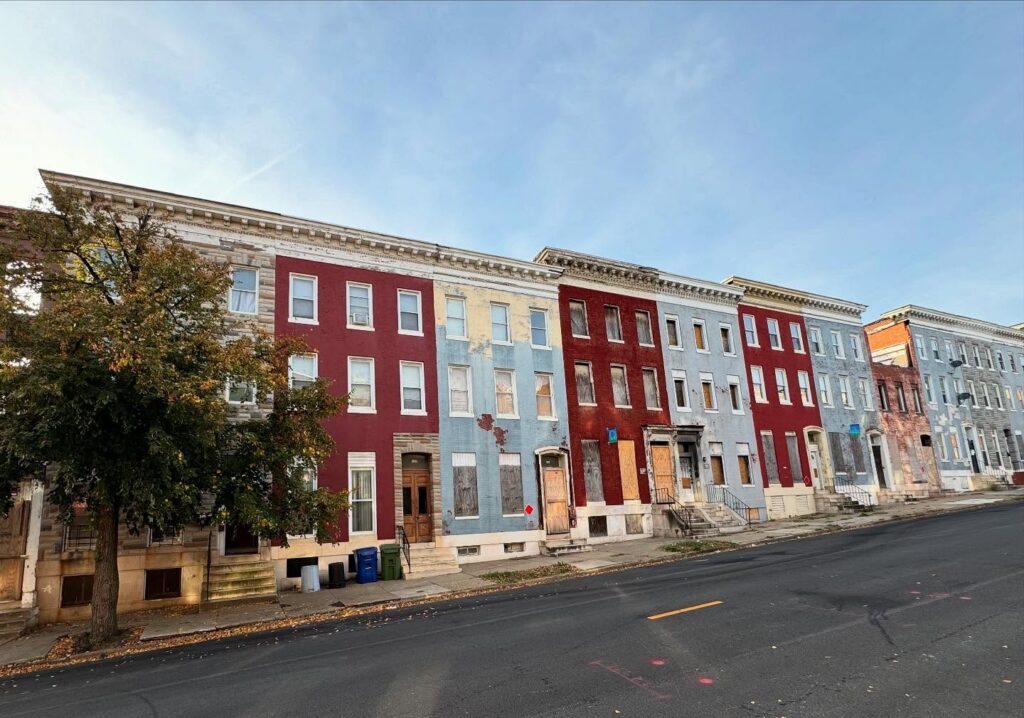
In many cities, the homeownership gap reflects not a shortage of aspiring buyers, but the long erosion of affordable homes for sale. In communities shaped by redlining, population loss, and decades of systemic neglect, the problem is often twofold: homeownership remains financially out of reach for many families, and the supply of high-quality, affordable homes has been hollowed out. In some neighborhoods, that dysfunction is compounded by hypervacancy, where abandoned or uninhabitable properties sit empty for years, dragging down surrounding values even as would-be buyers struggle to find homes they can realistically purchase.
NationSwell’s Solution Spotlight series is designed to surface the most innovative and promising (or proven!) initiatives and approaches that are creating results. Each installment offers a closer look at a unique, impact-driven model — how it works in practice, how it was brought to bear, and what it reveals about building durable change. Sourced from within the NationSwell community, the series aims to surface what’s working, why it matters, and how it can be adapted or scaled.
This feature spotlights two models that both show how reinvestment in overlooked areas can unlock exciting new opportunities for homeownership (and avoid the displacement of communities who have lived in those neighborhoods for decades.)
Parity Homes — created and run by Bree Jones in West Baltimore — has stepped in to fill that gap by rebuilding not just individual homes, but also by rethinking the conditions that make ownership possible in the first place.
And in Springfield, Massachusetts, the City of Homes Initiative — led by Way Finders and supported by MassMutual Foundation — is advancing a policy-driven pathway that transforms long-blighted properties into affordable homeownership opportunities for working families.
More on both below…
Parity Homes: Rebuilding homes and markets in West Baltimore
“What we do in simple terms is we create both the supply and the demand to jumpstart housing activity in collapsed markets through social capital.— Bree Jones, Founder & CEO, Parity Homes
The Problem: Dysfunctional housing markets In historically Black neighborhoods like those in West Baltimore, homeownership barriers aren’t driven by overheated demand, but by long-term market disinvestment. Thousands of homes sit vacant or uninhabitable due to decades of redlining, urban renewal, and predatory lending that displaced residents and restricted the flow of capital into Black neighborhoods. Legacy residents are often left with devalued homes and overdue maintenance, while new buyers have few affordable and livable options. Traditional housing markets — and financing systems — struggle to operate effectively in this context.
For individual buyers, the perceived risk of being “first” — moving onto a block without confidence that neighbors, services, or investment will follow — further suppresses demand, even where interest in homeownership exists.
The Solution: Community building for market revival Founded in 2020, Parity is a development company and community-building model designed to address both sides of this problem at once. The organization acquires clusters of vacant properties, renovates them to a high standard, and pre-sells homes to cohorts of buyers — often friends, family members, or existing social networks — who move onto a block together.
By anchoring demand in trusted relationships rather than isolated individual buyers, Parity reduces the social and financial risk of moving into disinvested neighborhoods, helping buyers feel confident that they are not entering a block — or market — alone. Rather than treating homeownership as an individual leap of faith, Parity treats it as a coordinated act of collective entry which contributes to stronger community relations and richer social capital.
On the buyer side, Parity guides participants through a readiness program that prepares them financially, emotionally, and mentally for homeownership. On the community side, it supports legacy residents through key partnerships with organizations like the SOS Fund which connects residents with anti-displacement resources that help them address deferred maintenance and lock in property taxes as values rise.
Why it’s Different: Parity treats social capital as the primary catalyst for market revival. Rather than marketing homes to individual buyers in isolation, the organization intentionally assembles cohorts of prospective homeowners from existing social networks, guiding them through the buying process together.
Parity recruits buyers through referrals, community outreach, and trusted relationships, then moves cohorts through a shared readiness process that builds financial preparedness alongside mutual commitment. And by pre-selling homes before construction and anchoring demand in groups that already trust one another, Parity reduces uncertainty for buyers, lenders, and the surrounding market. Parity’s core process of repurposing vacant houses also contributes to more sustainable construction, because it creates a much smaller ecological footprint than a new construction site would.
“We pre-sell all of our homes. The buyer goes through the entire construction process — they choose finishes, they’re invested. It’s not ‘build it and list it on Zillow.”
— Bree Jones, Founder & CEO, Parity Homes
Impact Highlights: In just a few years, Parity has moved from proof of concept to measurable, neighborhood-level impact, accelerating renovation timelines while demonstrating that coordinated reinvestment can revive disinvested blocks.
What began as a vision to cluster buyers and rebuild vacant homes has translated into measurable production and faster delivery, signaling that the model can scale:
60+ properties acquired
13 units completed on the first block; 20 more under development
Renovation timelines reduced from ~12 months to ~6 months
Key Enabler: Catalytic capital that de-risks early stage innovation
“Without JPMorgan Chase’s catalytic funding, I wouldn’t have been able to do any of this.”
— Bree Jones, Founder & CEO, Parity Homes
Parity launched with a $2M catalytic grant from JPMorgan Chase, enabling early proof of concept at a moment when traditional lenders were unlikely to back a market-revitalization model. That early capital helped to demonstrate viability, which in turn helped to attract additional partners.
The organization has since expanded through blended capital, including a $1M, 1% program-related investment (PRI) from the Nathan Cummings Foundation, and a $2M revolving construction loan from Baltimore Community Lending – increasingly leveraging debt to scale production.
Future Plans: Parity’s model is uniquely designed for housing markets experiencing hypervacancy like Detroit, Cleveland, St. Louis, East Cleveland, and Kansas City. Parity has proven the ability to convert the most entrenched dilapidation and vacancy into ownership, rebuilding intergenerational wealth, and strengthening civic power at the block, neighborhood, and city level.
Lessons & applications for other leaders:
Design for community building, not just individual sales. Pre-selling homes to buyer cohorts before construction reduces risk for purchasers and lenders alike. By leveraging existing relationships to assemble and support buyers, Parity demonstrates that social capital can function as a form of investable capital when intentionally organized.
Build ownership pathways for a range of buyer profiles. Designing financing and readiness processes around actual lived circumstances expands access while strengthening long-term stability.
Fix underlying structural misalignment, not just the symptoms. Markets don’t fail accidentally — they fail when systems are misaligned. Pairing social driven demand with institutional lending, national philanthropy, policy, and construction innovation restores market function (rather than temporarily masking dysfunction).
“Our long-term theory of change is about building power—neighbors who know how to advocate for themselves and shape the systems that serve them.”
— Bree Jones, Founder & CEO, Parity Homes
City of Homes: Turning blight into pathways to ownership in Springfield
“We’re creating a new pathway for properties to go from being blighted to being assets for the community — and for families that didn’t have that opportunity before.”
— Keith Fairey, President & CEO, Way Finders
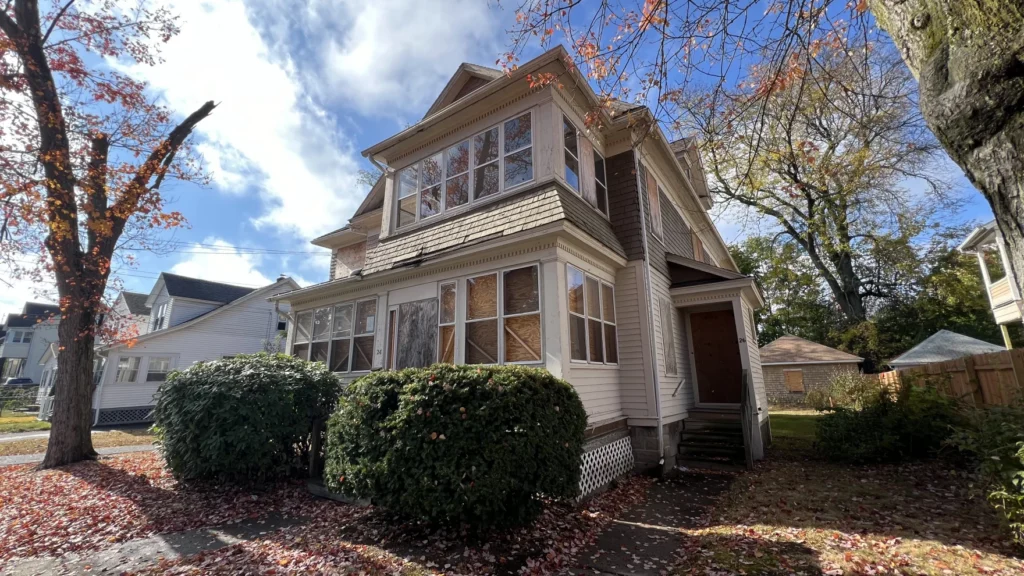
The Problem: Blight, disinvestment, and lost ownership opportunities Springfield, Massachusetts is historically known as the “City of Homes,” but decades of disinvestment have left many single- and two-family properties abandoned or in severe disrepair. In turn, those properties depress surrounding home values, destabilize neighborhoods, and often cycle through the court-appointed receivership process where they are rehabilitated and often converted into rental units rather than preserved as ownership opportunities.
At the same time, hundreds of local residents complete first-time homebuyer education programs each year. Upon graduation, and with access to down payment assistance programs, they still struggle to uncover adequate, affordable inventory to purchase. This imbalance results in a glut of blighted homes creating liabilities for neighborhoods while scores of aspiring homeowners remain locked out.
The Solution: Connecting policy reform, redevelopment, and first-time buyers Observing this disconnect, Way Finders created its “City of Homes” initiative (named for the city it serves), which relies on three coinciding solutions in order to create a new, equity-focused pathway for prospective homeowners:
First, Way Finders works effectively within recent reforms to Massachusetts’ Affordable Homes Act — shaped by Way Finders’ own on-the-ground innovation in both process and partnerships — to appoint what are known as “special attorney receivers” to interrupt the automatic conversion of distressed properties into permanent rental stock. Traditionally, when properties entered into receivership proceedings, the assigned court-appointed receivers were private contractors or developers. But thanks to recent reforms, the law now allows for the appointment of “special attorney receivers,” who transfer the properties specifically to nonprofit developers like Way Finders for rehabilitation and resale as an affordable homeownership opportunity.
In addition to strengthening ownership pipelines, Way Finders simultaneously leverages its developmental capacity by working to acquire, rehabilitate, or rebuild the blighted homes themselves — often using local, BIPOC-owned contractors to do so.
Finally, Way Finders taps into an extant first-time homebuyer education pipeline that it already uses to train 700–800 prospective buyers annually in order to connect that demand directly to newly restored inventory. Homes are then sold affordably to buyers earning roughly 80–100% of area median income, with mechanisms such as lotteries used when city-owned funding is involved.
Why it’s Different: By recognizing and slightly modifying how receivership works under Massachusetts state law, the model creates a durable pathway for blighted properties to return to community ownership rather than speculative rental properties.
“This is such a slight tweak to an existing process that has such strong ripple effects… reminding us that innovation doesn’t always have to mean looking for a big flashy unicorn. It can be as simple as a shift in the way that we think about something that already exists.” – Dennis Duquette, President & CEO, MassMutual Foundation
Impact Highlights: While still early in its implementation (the Massachusetts Affordable Homes Act was signed into law in August of 2024), properties are currently being rehabilitated in concentrated clusters, creating a multiplier stabilization effect within targeted neighborhoods. The special attorney receiver pathway is now codified statewide through Massachusetts’ Affordable Homes Act, expanding the model beyond Springfield, and early implementation demonstrates that long-blighted ownership properties can return to productive, affordable homeownership rather than converting to rental stock.
Keith Fairey, President & CEO, Way Finders, shared one recent anecdote from a blighted home’s former owner upon learning that it would be rehabilitated into a family home:
“We had a public event at a two-family home that had seen much better days… it was boarded up. The special attorney who helped convey that property brought the owner — someone who grew up in the home but couldn’t keep up with it.
I didn’t know how that would go… but he felt really bad that it was pulling down the neighborhood. He was glad to see that it was going to be somebody’s home again rather than sitting there in a very blighted and abandoned state.”
— Keith Fairey, President & CEO, Way Finders
Key Enabler: Patient, flexible capital and systems-oriented philanthropy
“We don’t hold the solutions… we are a connector. We use our resources to bring folks together, to experiment, and advance ideas into action.”
– Dennis Duquette, President & CEO, MassMutual Foundation MassMutual Foundation has played a catalytic role in bringing the City of Homes model to life. Over several years, the Foundation funded research by a retired housing court judge to prove viability, pressure-tested the concept with stakeholders across the city, and provided early, flexible capital to de-risk the pilot before other funders joined.
Beyond funding, MassMutual also convened stakeholder groups, supported statewide policy adoption, and aligned complimentary investments — including down payment assistance resources for Western Massachusetts — to strengthen existing ownership pipelines.
Future Plans: Scalable pathways for gateway cities The legislative framework that underpins the City of Homes Initiative is now active statewide, with interest emerging from other “gateway cities” across Massachusetts — former industrial centers facing similar cycles of abandonment and disinvestment.
If scaled, the model offers:
A durable mechanism for transforming blight into ownership
Expanded pathways to household wealth-building
Stabilized neighborhoods where property value growth benefits working families rather than external investors
For MassMutual Foundation, the long-term goal aligns with its broader mission of strengthening financial resilience:
“Homeownership is such a key lever in building financial resilience and capability. It’s also foundational to establishing generational wealth over time.”
– Dennis Duquette, President & CEO, MassMutual Foundation
Lessons & applications for other leaders:
Slight policy shifts can unlock outsized impact. A targeted change to receivership rules created a new pathway without having to dismantle the entire system.
Pair systems change with tactical investment. Supporting first-time homebuyer programs and down payment assistance in tandem with reforms to structural barriers accelerates impact.
Patient capital matters. The City of Homes Initiative required years of dialogue, research, and early stage risk tolerance before it could be implemented.
Innovation doesn’t have to be “disruptive” to be transformative. Sometimes the most durable change comes from adjusting existing infrastructure rather than inventing something new.
The standard playbook for corporate impact reports and public communications has been unsettled by shifting political pressures, cultural attitudes, attention scarcity, and the introduction of AI. Yet companies still need to explain what they stand for, show progress, and build credibility with employees, investors, and the public. The organizations currently excelling in this space share a set of key attributes: a deep understanding of their audiences; auditable data; insight-driven storytelling; and the ability to adapt.
During an April 7 virtual Leader Roundtable on The New Playbook for Impact Comms and Public Reporting, leaders from the NationSwell community challenged us to rethink how data and narrative interact to showcase how the data shapes the story. We’ve collected some of the most salient insights from the conversation below, should you wish to revisit them:
Key Takeaways:
Design your communications strategy around clearly defined audience segments. Effective storytelling starts with identifying who you need to reach and what matters most to each group, then tailoring messages to reflect their priorities. This often requires translating technical language into relevant business or social outcomes and creating multiple entry points into your core narrative. Always ask, “Why should this audience care?” and adapt messaging accordingly.
Anchor communications in credible data and use narrative to bring it to life. Build reporting on auditable data, then use storytelling to explain the outcomes and human impact behind those numbers. Treat data as the backbone of your communications, and narrative as the mechanism that connects evidence to impact. This allows you to humanize outcomes rather than leading with corporate frameworks alone, ensuring your message sticks.
Maintain a consistent core message while adapting delivery to changing external conditions. Establish stable principles and core truths, but adjust tone, framing, and distribution channels as political and regulatory contexts shift. Flexibility in messaging preserves credibility, manages risk, and ensures communications remain relevant in dynamic environments.
Focus storytelling on narratives that deliver the greatest strategic value. Prioritize concise, data-backed, and purpose-driven communications over exhaustive reports. Highlight stories that connect social impact to business goals, emphasize outcomes, and avoid overcommunicating. Limited attention and reporting space require identifying the stories that move the needle most effectively.
Align impact initiatives directly to business performance and risk mitigation. Link programs to measurable business outcomes such as revenue, talent retention, or risk reduction to demonstrate their material importance. Position impact activities as contributors to core enterprise value, showcasing how “doing good” drives both social and business outcomes. This tactic proves especially critical when engaging executive leadership, including the CFO and other financial decision-makers.
Create a cross-enterprise ecosystem of reporting. Engage key stakeholders across functions, such as materiality, risk, and assurance, to build a connected village of reporting that supports consistent, credible communications. Identify the connective tissues between social impact, business performance, and brand positioning to uncover better opportunities in the marketplace.
Frame workforce and inclusion communications around enterprise-wide value. Emphasize outcomes that benefit the full employee population, such as talent development or retention, rather than narrowly focusing on specific population groups. Expand DEI storytelling to include pathways for veterans, first-generation employees, and multiple demographic segments to maintain credibility and mitigate potential backlash.
Leverage technology and AI to accelerate data analysis and broaden reporting capabilities. Deploy digital tools to streamline data collection and analysis, model potential outcomes, and generate actionable insights efficiently. Consider AI tools to explore multimedia formats for your reports to increase audience accessibility and engagement.
Rural communities face some of the most persistent health challenges in the country—provider shortages, long travel distances for care, limited broadband, higher rates of chronic illness, and underfunded local health systems. Yet, across these same regions, practitioners, employers, health systems, nonprofits, and local leaders are piloting innovative approaches: mobile and telehealth models, community health workers, cross-sector care networks, and employer-backed wellness programs that meet people where they are.
During a March 24 virtual Leader Roundtable, leaders from the NationSwell community came together to discuss the real-world models working on the ground, the operational and financial barriers to scaling them, and the opportunities for multi-sector collaboration that can create more reliable, equitable access to care. Some of the most salient takeaways from that discussion appear below:
Key takeaways
Recognize Community Health Workers as the connective tissue. CHWs are most effective when embedded within communities and linked to broader care systems, bridging social services, clinical care, and local resources. Sustaining and expanding this impact requires flexible funding that meets CHWs where they are by unlocking early-stage innovation, reducing unnecessary restrictions, and resourcing the work already happening on the ground.
Anchor care in community infrastructure to expand access at scale. Care is most effective when it flows through familiar structures, such as churches and local organizations that have long served as anchors in their communities, rather than relying solely on traditional clinical settings. From faith-based health navigation to in-home support for high-risk populations, training and deploying workers from within these networks strengthens engagement and increases the likelihood that care is sustained.
Leverage technology to unlock reimbursement and coordination. Purpose-built platforms, hub models, and shared infrastructure are enabling community-based organizations to track outcomes, meet compliance requirements, and access reimbursement. When paired with technical support, these tools reduce administrative burden and make it possible to scale impact while maintaining quality.
Use data to prove value and secure sustainable funding. Demonstrating outcomes like increased primary care engagement, reduced emergency utilization, and cost savings is critical to making the case for continued investment. Data not only validates the impact of community-based models but also translates that impact into language that funders and policymakers act on.
Invest in training that is locally relevant and role-specific. Expanding the workforce requires equipping CHWs with training that reflects the populations they serve, from maternal health to behavioral health to chronic disease. Tailored, community-informed curricula ensure that workers are prepared to meet the specific needs of their communities.
Close the gap by aligning systems, funding, and community needs. Persistent barriers like fragmented data systems, limited interoperability, and short-term funding continue to slow progress. Closing the rural health access gap requires deeper coordination, sustained investment in community-based infrastructure, and policies that reflect how care is actually delivered on the ground.
Rural communities across the U.S. are too often framed by what they lack rather than in terms of the deep assets, leadership, and innovation they already hold. They also face persistent gaps in philanthropic investment, infrastructure, and long-term capital, even as they are critical to the nation’s economic, cultural, and civic future
During a March 19 virtual Leader Roundtable, NationSwell, the Walton Family Foundation, the Delta Philanthropy Forum, and a great group of cross-sector leaders gathered to explore what effective, community-centered rural investment actually looks like in practice. Drawing on insights from the Mississippi-Arkansas Delta — a region that reflects both the challenges and the promise of rural America — the conversation highlighted how place-based strategies rooted in trust, listening, and long-term commitment can unlock opportunity.
Some of the most salient takeaways from the discussion appear below:
Key takeaways:
Rural isn’t just a geography, it’s a cultural context. Rural communities are often discussed as sparse populations or hard-to-reach places, but in practice they function as distinct cultural ecosystems with their own histories, norms, and relationship structures. That shift in framing matters: Once rural is understood as a culture and context rather than a category, the equity implications become harder to ignore.
Let the people closest to the challenge shape the solution. Across the conversation, one principle kept resurfacing: the most durable ideas tend to come from the people already living and working in the place. Funders can play an important and catalytic role, but the work is strongest when capital flows from local wisdom rather than overriding it. Experimentation matters — but it matters most when communities help define what success looks like.
Redefine scale in percentage points, not raw volume. Traditional philanthropic metrics tend to privilege large urban markets because outputs are easier to maximize there, but in rural communities, impact often shows up more meaningfully as share of need met, not total number served. A smaller absolute number can represent a far deeper level of transformation.
Partner with rural communities as “test kitchens”, but also fund them beyond the pilot. Rural places can serve as ideal proving grounds for innovation because interventions can be tested at smaller scale, with lower upfront capital and clearer community feedback loops. But too often, philanthropy treats rural communities as places to experiment on rather than places to invest with. If a model works in a rural context, it may be more transferable than assumed — but only if funders stay long enough to support sustainability.
Invest in ecosystems rather than isolated projects. In rural regions, no single town or institution exists in a vacuum. What happens in one community often creates ripple effects across neighboring towns and regional networks, meaning that effective place-based investment requires thinking beyond individual grants or municipalities and designing for coordination across a broader ecosystem.
Pair data with lived experience to understand what a region actually needs. Quantitative indicators can identify where opportunity gaps exist, but can’t fully explain how those gaps are experienced on the ground. Stronger investment decisions emerge when funders use data as a starting point, then pressure-test it through direct conversation with local residents, practitioners, and community leaders. In rural communities especially, context is often the difference between a good strategy and a misfire.
Remove match requirements and other structural barriers that quietly exclude rural communities. Many rural and rural BIPOC communities are shut out not because they lack ideas or leadership, but because they lack the upfront capital required to meet standard philanthropic or public-sector thresholds. One-to-one matches often reproduce inequity under the guise of rigor; if funders want different outcomes, they need to revisit the rules that determine who can even get in the door.
Make communities of choice, not just communities of need. The goal is not simply to mitigate decline or address deprivation, but to build places where people want to stay, return, and invest their lives. That means activating local assets — including culture, recreation, history, civic pride, etc. — alongside economic fundamentals. Place-based investment becomes more durable when it supports belonging and aspiration, not just service delivery.
Rural communities of color sit at the sharpest edge of underinvestment. The most severe inequities often emerge where rural geography and race intersect. Rural Black communities, tribal communities, and colonias are places where the funding gap is especially stark, despite persistent poverty and strong local leadership. Any serious conversation about equitable place-based investment must confront that layered exclusion directly.
A year after sweeping federal funding cuts and mounting political pressure on equity- and justice-focused work, many funders are reexamining how to stay effective and principled in an increasingly constrained and polarized environment—while also stepping up to fill the void left by government withdrawal.
On March 17, NationSwell hosted a virtual Leader Roundtable dedicated to unearthing the future of resilient, adaptive philanthropy. Together, participants explored how funders are retooling their strategies, embracing new approaches to partnership and capital deployment, and designing innovative responses to ensure critical work continues—and flourishes—despite the headwinds.
Some of the most salient takeaways from the conversation appear below:
Key Takeaways:
Build resilience by expanding your role beyond grants. Funders can use tools like loan guarantees, intermediary contracts, convenings, and data partnerships to unlock public dollars, de-risk capital projects, and move money more quickly to smaller and BIPOC-led organizations. This “beyond-the-grant” posture helps communities weather policy and funding shocks while preserving critical services.
Invest in leaders as people, not just as program drivers. Sabbaticals, accelerators, and holistic leadership support shift leaders from surviving to stewarding long-term power. Funding wellness, reflection, and capacity functions as essential infrastructure for any durable ecosystem, not a luxury line item.
Move resources at the speed of community need. Models like the Bridge Project’s direct cash to moms, rapid-response funds for immigrant communities, and crisis cash distributed through platforms such as GoFundMe show how trust-based, flexible capital can stabilize families and organizations in moments of acute disruption. Designing for speed, flexibility, and local decision-making allows philanthropy to meet the moment, not just the grant cycle.
Use data and narrative to protect civic infrastructure. Tools like the Congressional District Health Dashboard and City Health Dashboard, paired with investigative and movement journalism, help communities see where systems are failing and where solutions are emerging. Revisiting philanthropic origin stories and aligning capital with equity, democracy, and community-defined priorities are critical to strengthening civic infrastructure.
Strengthen the ecosystem through relationships and matchmaking. “Philanthropic matchmaking,” co-funding, and warm handoffs ensure that promising leaders and organizations can connect with the right capital, even when a single funder cannot meet a need. Transparent feedback, honest conversations about fit, and intentional network-building help great ideas secure flexible, multi-year support and reinforce that no one has to navigate this landscape alone.