
Telling Your Impact Story: Strategies for Effective Communication

Telling a compelling impact story is critical to standing out and inspiring action, particularly when confronted with cultural narratives and storylines that seek to undermine the work.

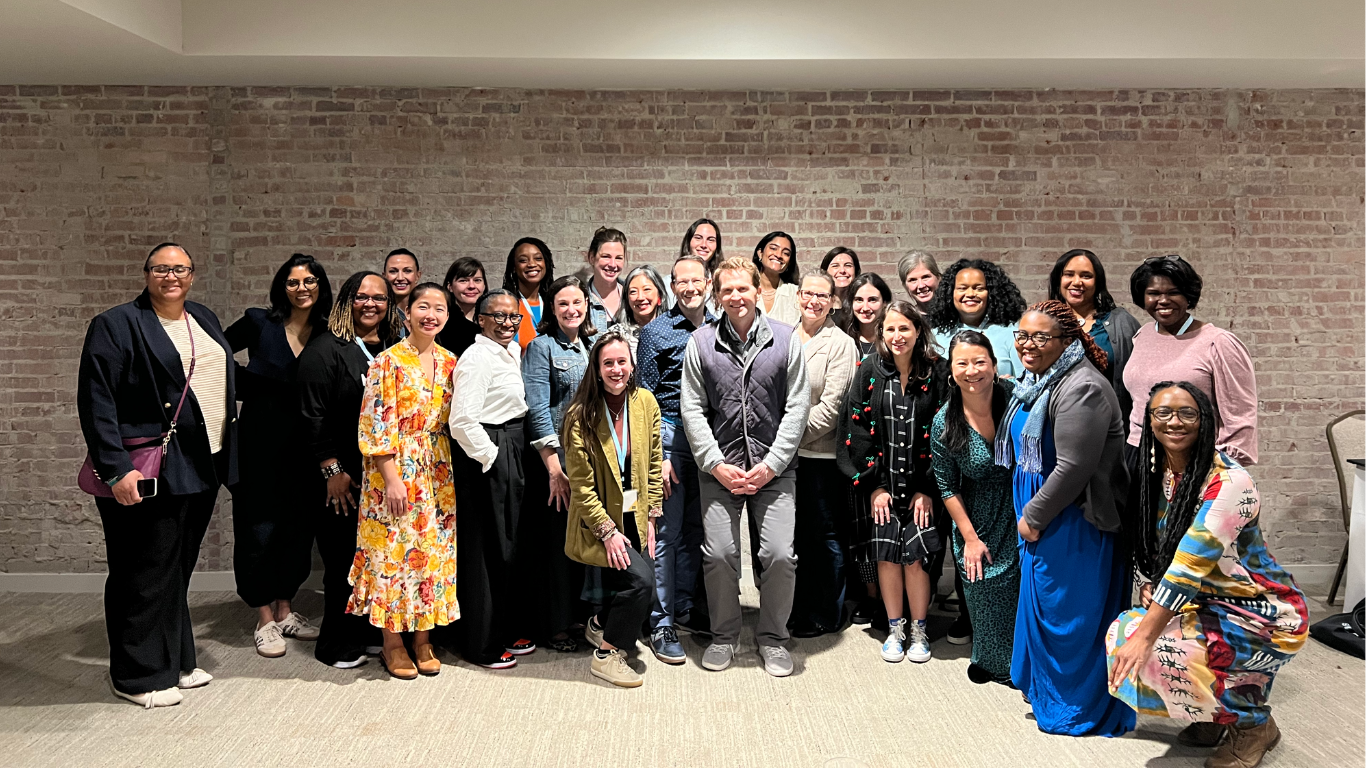
On February 13, NationSwell hosted a virtual roundtable discussion to explore how leaders can craft narratives that resonate, engage, and drive support for their priorities.

Here are some of the key takeaways from the event:


Prioritize human-centered, emotionally resonant storytelling. It is important that we never lose sight of the fact that there are human beings and human stories behind the data. In a particularly partisan moment, our shared humanity is the lowest common denominator that cuts through the divisiveness — and we have an opportunity to be the steady voice that lifts up those stories and communities in a way that cuts through the political noise. 

Internal storytelling is needed as critically as external storytelling is. Internal transparency around organizational values and decision-making processes are key to maintaining engagement and trust among employees — particularly in a moment when an organization might be pulling back its public messaging on social issues. Lifting up and engaging employees around social impact work and the ways it positively impacts people and communities is always vitally important, but particularly so now, in a moment when employees need inspiration, connection, and hope. 

Ask grantees and partners what they need from you in your storytelling. Nonprofits, grantees, and partners are currently facing increasing amounts of pressure, and there is no uniformity in what they need from you in terms of advancing their stories. Taking the time to make calls, check in on your partners, and communicating directly on what grantees need is necessary to ensure that amplification and storytelling is not inadvertently harmful to them at this time.

Build authentic equity with your audience and stakeholders. At a time when consumers and audiences are incredibly knowledgeable about their own communities, people crave the type of authenticity that can be found in the small details. Having a firm grasp of nuance, undertones, and subcultures can help to build authentic equity, and you can do this in two primary ways: First, by identifying trusted messengers who can act as proxies for their communities, helping to ensure that we are not speaking on anyone’s behalf. And second, by getting creative with the storytelling modalities —  thinking about the interactive ways that we can showcase our stories, data, and information, whether through online or offline interaction. 

Help people understand the “why under the why”. With headlines and a heightened political pitch competing for audiences’ attention, keeping messaging concise and strategic will help to ensure that you’re communicating as effectively as possible. Although it can be tempting to give in to the desire to be urgent and reactive around messaging, slowing down and taking a more intentional approach to which conversations you’re entering can help cut through the noise in real time and more effectively translate your values to your audience.

Consider storytelling through the lens of a hierarchy of needs. Because there are so many things that we need stories to do for us right now, we need to be very intentional about which are the most essential to pursue. Every organization has a critical and specific role to play in creating impact — doing internal audits on where our most urgent priorities lie will be crucial to ensuring we are maximizing our storytelling potential. 

The Intersection of Caregiving and Business: NationSwell Summit Explores the Care Crisis

As we enter a new era of workplace dynamics, the critical issue of care support for workers has become increasingly urgent. According to a survey led by AARP and S&P Global, 67% of caregivers face difficulty in balancing their employment with caregiving duties with 27% of caregivers needing to switch to part-time work or reduced hours. Furthermore, 16% of caregivers have needed to decline promotions due to their care responsibilities and 13% have been forced to change employers to meet their care needs. Between April 2022 and March 2024, the U.S. Census collected data from 1.1 million parents who said child care has kept them from working, up from 939.7K between 2018-2020. Care directly impacts the economy and both private sector solutions and public policy are needed to support the sustainability of the workforce. 

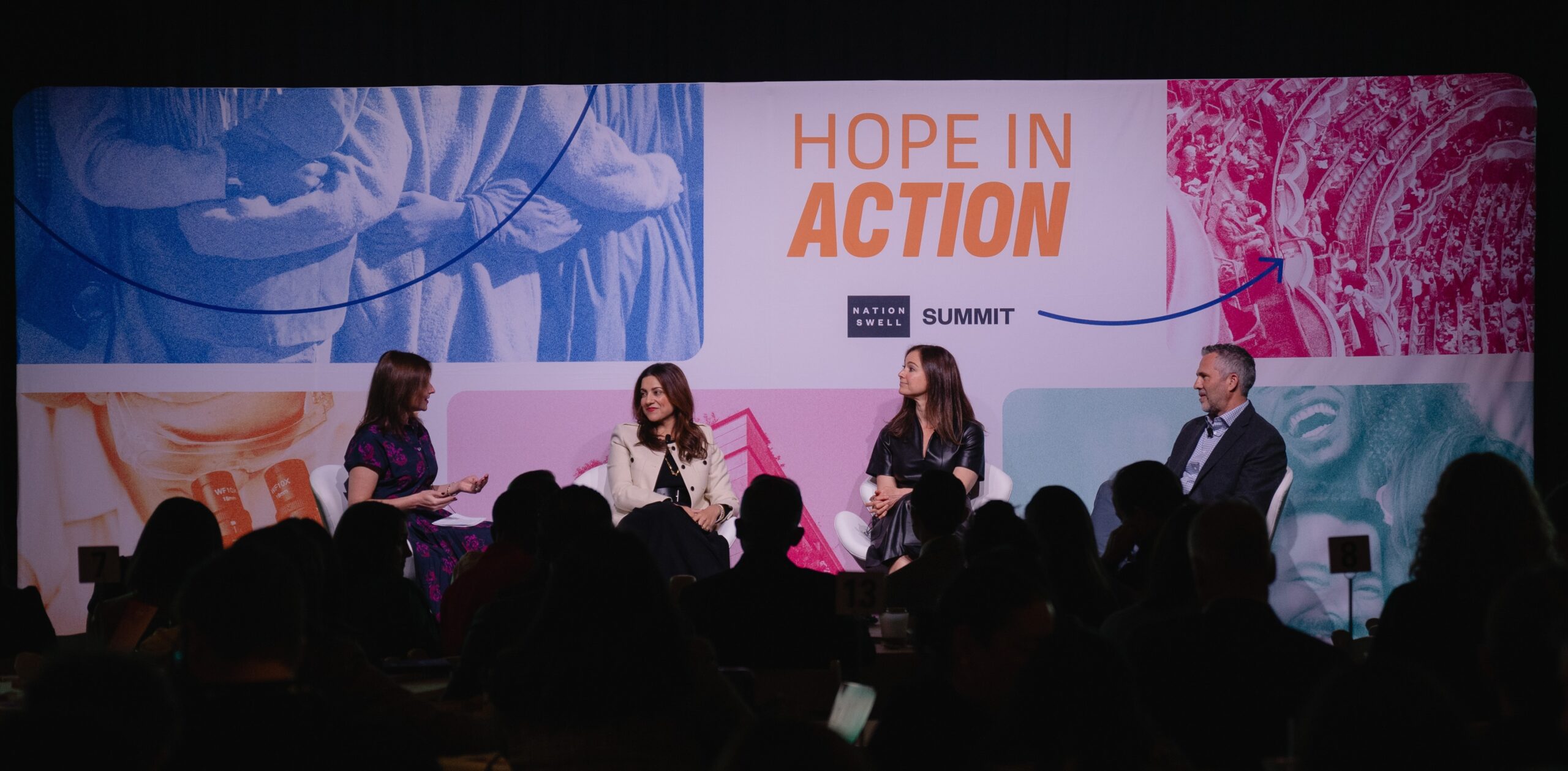
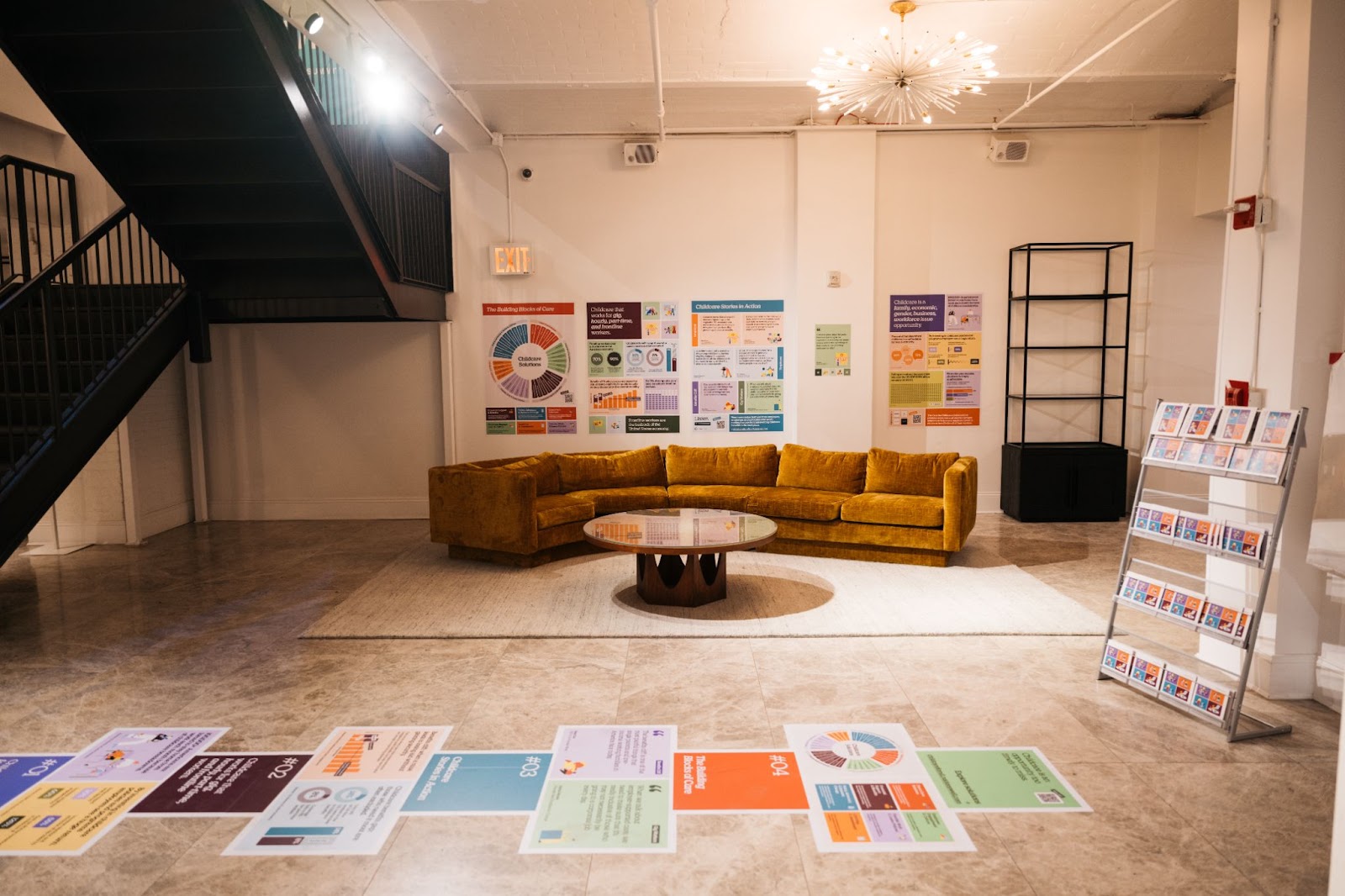
In response to this urgent need, Pivotal, the Annie E. Casey Foundation, and the American Family Insurance Dreams Foundation highlighted caregiving at the 2024 NationSwell Summit through an Impact Spotlight and a panel discussion, which was punctuated with an on-site immersive experience including a ‘Care Lounge’ that highlighted key stats, quotes and figures from  the expanded Childcare for All site created by the Case for Childcare Collaborative.

We’ve summarized key insights from this portion of the Summit below:


Public-private partnerships are key to sustainable, systemic change.

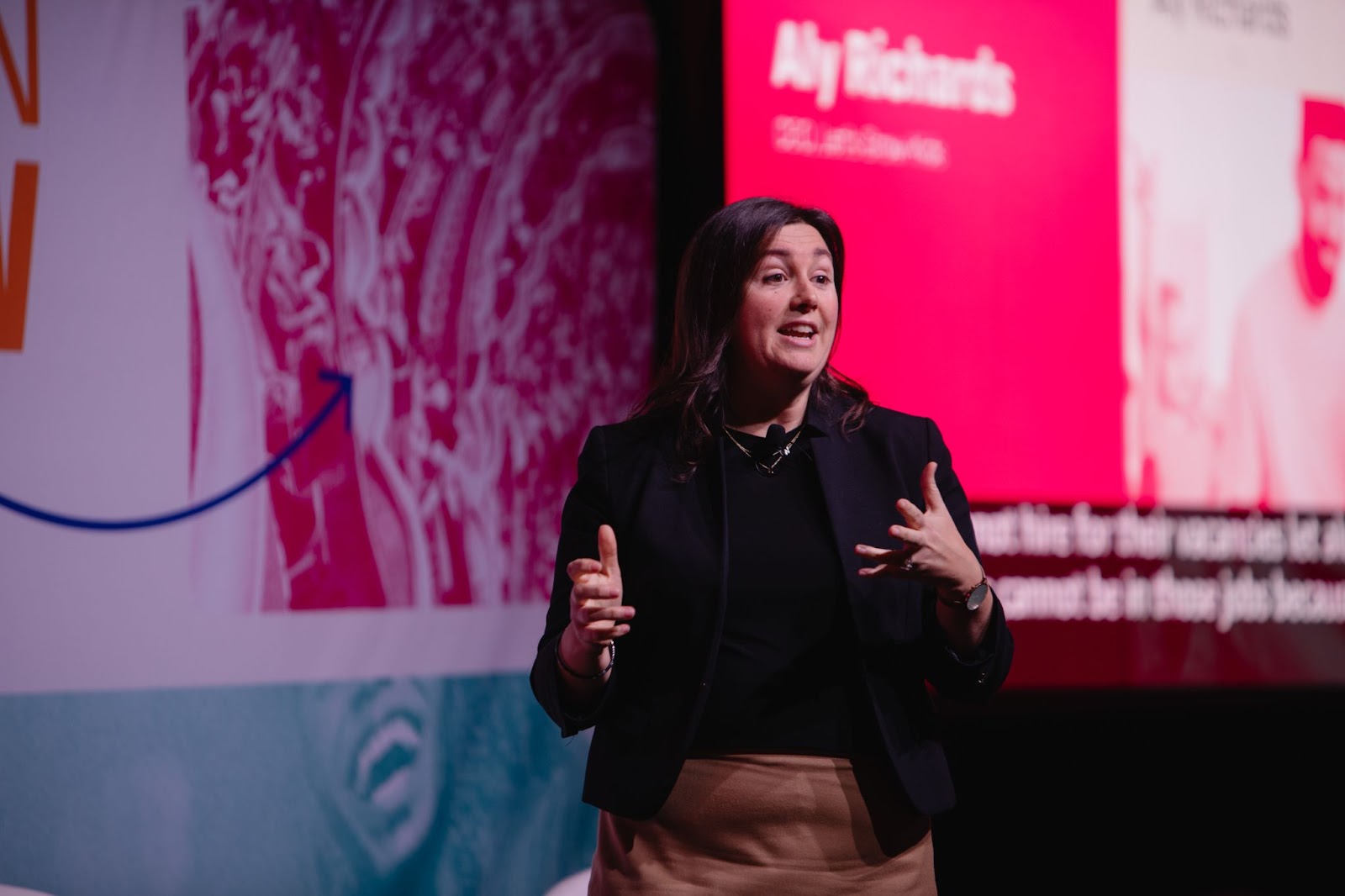
Aly Richards, CEO of Let’s Grow Kids, shared her inspiring story through an Impact Spotlight showcasing how the nonprofit revolutionized childcare in Vermont alongside the business community, ultimately passing Act 76, which committed $125 million to the childcare sector annually through a 0.44% payroll tax. During the spotlight, Richards emphasized the critical role of childcare in both economic and social development, calling the state’s care crisis a “market failure.” Through her passionate storytelling, Richards highlighted the urgency of early childhood education on workforce participation, stating, “90% of a child’s future is baked by age 5.”

As seen by Richards’ work in Vermont, public investments can fill care gaps. Through a grassroots campaign, Let’s Grow Kids mobilized 40,000 citizens and business leaders and secured bipartisan support for Act 76. Now, more families are eligible to receive financial assistance for child care than ever before, and the state is paying programs at higher weekly rates to provide that care. Since implementation, slots have surged, boosting access for many families and relieving employers of staff shortages with a more stable workforce.

Caregiving is an economic issue with investments yielding huge economic returns.

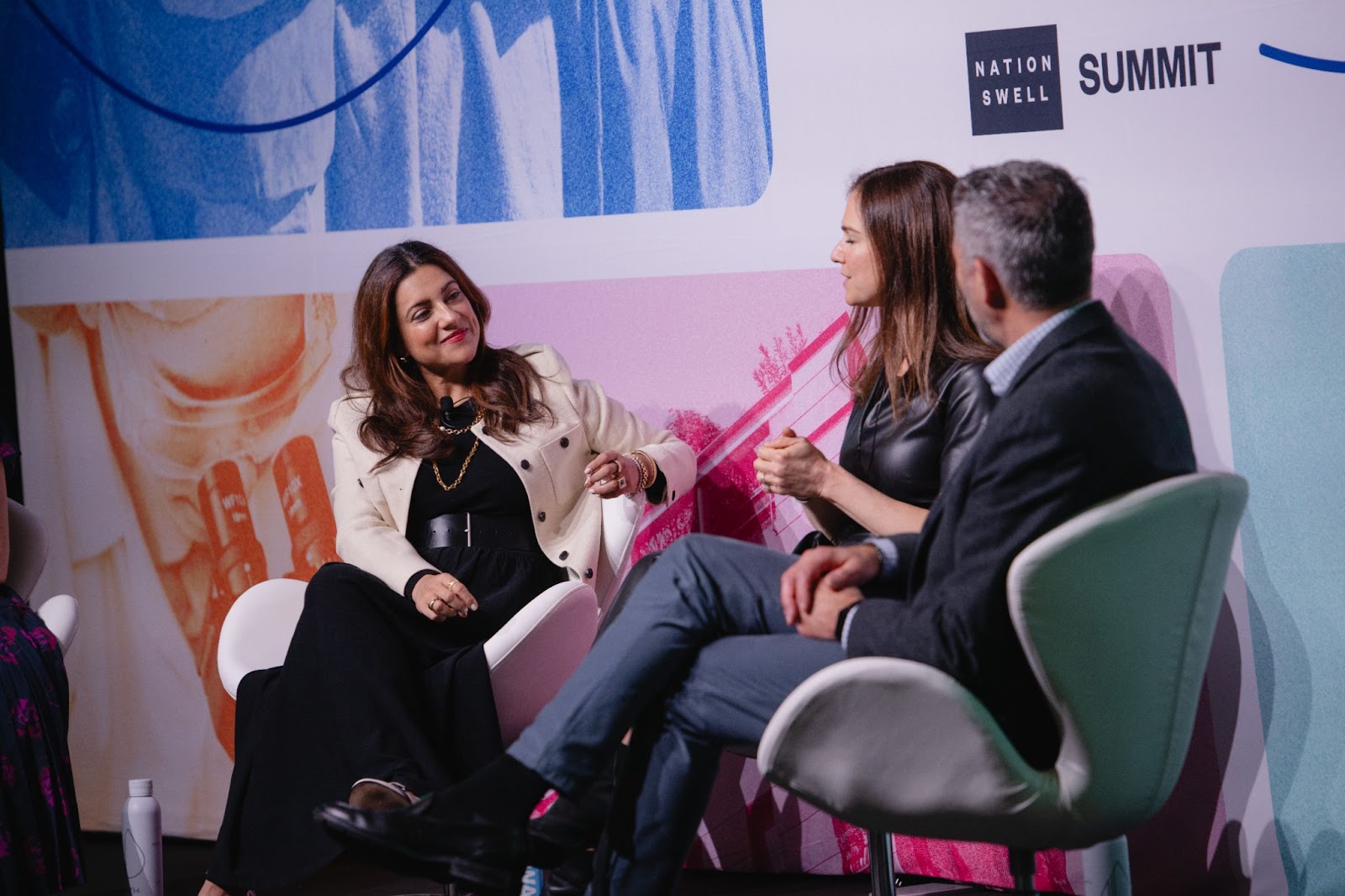
The NationSwell caregiving panel brought together visionary leaders to discuss the urgent challenges and groundbreaking solutions shaping the future of caregiving. Moderated by Jennifer Stybel of Pivotal, the panel featured Reshma Saujani, founder of Moms First; Lindsay Jurist-Rosner, CEO of Wellthy; and Stephan Dolling, Vice President at Merck, who each shared their personal and professional perspectives on the critical care issue.

Stybel set the stage by emphasizing caregiving as a universal challenge, stating, “None of us can do it alone. The solution lies here together.” Saujani underscored the transformative potential of prioritizing caregiving within policy and business frameworks. “We need to convince the nation that childcare is an economic issue,” she said. She credited the pandemic for shifting perspectives, noting, “We’ve slammed the door on whether childcare is a personal problem or an economic problem.”

Jurist-Rosner shared her personal caregiving journey and explained Wellthy’s mission to partner with families through personalized care coordinators, alleviating the complexities of a fragmented healthcare system. “Families need someone who can get things done,” she explained. Dolling highlighted Merck’s commitment to employee well-being and the ROI of caregiving benefits. “Providing caregiving support shows your people you truly care,” he said, sharing how Merck implemented Wellthy’s services during the pandemic resulting in overwhelming employee appreciation and support.

The conversation also spotlighted the significant economic case for caregiving. Saujani noted, “Investing in childcare offers a 425% return,” emphasizing that solutions must extend beyond privileged workforces to include hourly and shift workers.

The panelists concluded by exploring bold, actionable strategies for change: join national coalitions advocating for policy reform, foster open discussions about caregiving in workplaces, and leverage data to drive leadership buy-in. As Stybel aptly concluded, “Caregiving isn’t a niche issue; it’s a challenge that unites us all.”

Workers with the most to gain from employer-sponsored care support are traditionally excluded from care benefits.

Following the inspiring spotlight and panel, NationSwell announced the launch of the expanded Childcare for All site, which builds the case for gig, hourly, part-time and frontline workers to be included in employer benefits to support caregivers. Frontline workers represent about 70% of the workforce with 90% of companies relying on these workers. And yet, while only 14% of full-time workers have access to employer-sponsored childcare support, that number falls to 8% for part-time workers. This demonstrates a childcare benefits gap, revealing those with the most to gain from these benefits are traditionally excluded from qualifying. The detrimental effects of a broken childcare system are glaringly apparent, with parents forced to leave careers in order to take care of children, and businesses suffering huge workforce losses. 

The site serves as a resource for employers to better support employees who are caregivers, highlighting 35+ actionable strategies through an interactive solutions visualization. Packed with resources, firsthand stories, insights, and examples, the site empowers businesses and individuals to advocate for and implement impactful caregiving solutions. This launch reinforces the call to action for systemic change and collective responsibility in addressing the childcare crisis. Visit the Case for Childcare Collaborative’s site to publicly commit to implementing solutions and find downloadable resources to share with your team and network. Help us forge a world where childcare is no longer a barrier for workers to remain and thrive in the workforce. 


To learn more about the Case for Childcare Collaborative, click here

What Makes a Joyful Community?

This question stays top of mind for me. A joyful community is at the core of Seattle Foundation’s vision as we strive for shared prosperity, belonging and justice in the region.

I’ve also been reflecting on a joyful community due to an experience hosted by NationSwell. In March, I joined a gathering of corporate and philanthropy leaders in Montgomery, Alabama to reflect on the civil rights movement and the journey towards justice in the United States.

I have history with the south, as a part of my family has roots in Mississippi. Walking around Montgomery somehow felt like being home again with people and a culture so familiar to me. It also brought me proximate to the places – like the Bricklayers Hall which served as the headquarters for the Montgomery bus boycott – that were important meeting grounds for the civil rights and social justice gains that we are fighting to protect today.

While in Montgomery, we toured the Legacy Museum, created by Bryan Stevenson and the Equal Justice Initiative. As I walked through the exhibits, I reflected on the lasting impact of the institution of slavery in this country – Jim Crow laws, school segregation, redlining, the criminal justice system, and so on. As I exited, there was a quote that summed up the museum’s purpose and commitment to justice – that the children’s children of those who endured these times, could one day live unburdened by the legacy of slavery.

That struck me – to live unburdened by the legacy of slavery. My time in Montgomery invited reflection on that legacy in my own life.

My paternal grandfather came to Cleveland from St. Louis when he was a young man. He and my grandmother settled in the City of East Cleveland, a predominantly Black community, and invested in real estate to ensure no one in the family would ever go without a home. Not too long ago, out of curiosity, I asked my aunt what prompted my grandfather’s move to Cleveland. Her response – a group of white men threatened to kill him. He was fleeing for his life.

My maternal grandfather was a farmer in a small town in Mississippi. It’s where my mom was born, raised, and learned to work on a farm. I remember spending a few summers on that land. I was also aware that my grandparents likely did not own the land on which they lived and raised their children and some grandchildren. And discussing why was not a conversation that the elders in my family openly had.

In 1989 when I was six years old, my mom married an incredible guy who became my bonus dad. His name was Eddie. He was funny and quirky. He was also white. In three states in this country from the 1980s, 1990s, and as late as 2000, my parents could have been jailed because of the illegal nature of their interracial relationship.

At 41 years old, I hold this history and memory in my body that is defined by the impacts of slavery, white supremacy, and institutional racism. What would it feel like to be unburdened by this?

I believe it would feel like joy.

Joy has been at the center of my work for some time now because it is a way to bring people together. Regardless of lived experience or status, joy evokes a certain feeling, even a sound. Through joy, we find warmth, laughter and belonging. For some, joy is rooted deeply in faith; and in it, we find strength. Joy is something that no one can take away from us. For others, joy is an act of resistance (as first coined by poet Toi Derricote), and liberation. We have the right to exist and to be free.

We all deserve access to a safe home, connection and belonging, and resources to live our best lives. We also deserve to live in communities unburdened by racism, othering, discrimination, and violence. These are all building blocks to a joyful community.

So, how do we get there?

A part of the solution is for all of us to do better in valuing and honoring the humanity of our neighbors who are different from us. The other part – and this is critical – is meaningful, equitable, and sustained policy and systems change. The burden and legacy of slavery is clearly found in systems and policies that were designed for only some to succeed. To realize a joyful community of shared prosperity and belonging, we must change that.

Seattle Foundation recently completed a strategic plan outlining the work we will do over the next three years to move towards making the vision of a joyful community a reality. We will make bold moves in innovative financing for affordable housing production, climate justice, and increased access to make childcare more equitable. Throughout our grantmaking and advocacy, we will remain committed to racial equity and justice, community organizing, and policy reform. We’ll remain steadfast on this journey until every individual has true agency and power over the direction of their lives and systems are not barriers to their success.

The path ahead will be difficult but I will not be deterred because I know what I’m after – joy. Not just for me, but for generations to come. Generations of babies that will one day grow and thrive as adults whose experiences are not altered by the impacts of systems that have failed to serve them. Future adults who will be able to move through this world without fear, with true freedom, and full of joy.

“Being underrepresented is actually my seat of power”: The story behind the two “badass women of color” leading the American Family Insurance Institute for Corporate and Social Impact

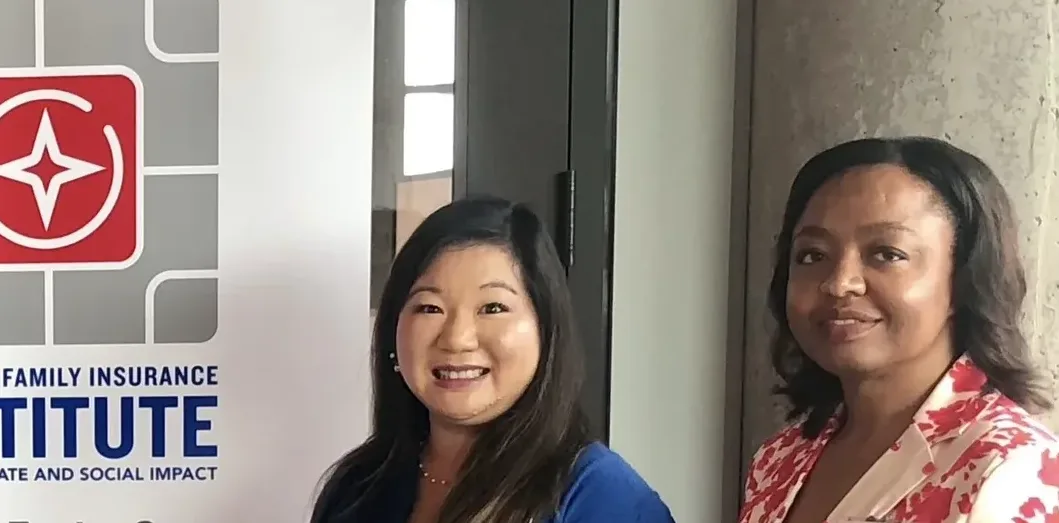
When Shayna Hetzel was in college, she wanted to be a biochemist, examining the intricate relationship between carbon atoms and amino acids and studying the ways they come together to form the foundations of life. Although she didn’t end up pursuing a career in science, Shayna — the Community and Social Impact Investment Director at the American Family Insurance Institute for Corporate and Social Impact — now works alongside her longtime colleague and partner, Social Impact Investment Director Nyra Jordan, to identify and facilitate the bonds that strengthen communities and drive prosperity for everyday people. 

On October 3, 2023 the American Family Insurance Institute for Corporate and Social Impact celebrated its 5-year anniversary. Launched in 2018 after a two-year benchmarking period, the Institute was initially conceptualized as a way to expand upon both the successes of American Family Insurance’s multi-limited partner model, American Family Ventures, and the American Family Insurance Dreams Foundation, which supports nonprofit organizations through grants and employee and agent engagement programs. According to Shayna, its earliest ambition took the form of a question: How can we go bigger and bolder for equity?

At the urging of then-CEO Jack Salzwedel, Peter Gunder — who was serving as American Family Insurance’s Chief Business Development Officer at the time — formed the Institute by assembling a small team of people, led by Shayna and Nyra, whose primary goal would be to expand the capacity of entrepreneurs and risk-takers to make a difference in their communities. 

Today, the Institute operates out of the Spark building in Madison, Wisconsin, and pursues its long-term mission of closing equity gaps in America by forging partnerships with local changemakers, leaders, and entrepreneurs focused on building scalable social enterprises in four key investment areas: economic empowerment & justice reform, healthy youth development, equity in education, and resilient communities.

Even in the Institute’s earliest days, Nyra says, the members of her team were always disciplined about maintaining a community-minded and -centered approach to the work that they were doing.

“As a corporation, we didn’t want this to be something where we said, okay, here’s American Family Insurance and we’ve created this thing where we’re going to show you how to do social impact and tell you how you engage in your communities,” she said. “We wanted to make sure we didn’t tarnish relationships, and that we were not approaching this work with hubris.”

The need for deeper community investment was made explicit by a report released by the Wisconsin Council on Children and Families (now Kids Forward) in 2013 called “Race to Equity,” which revealed widespread disparities across race and ethnicity on nearly every social economic measure, including education, homeownership, and wage earning. According to Nyra, that report’s release was partly what inspired leadership to begin researching issues like mass incarceration and other topics that were “a little less comfortable for a midwest insurance company” in an effort to redress some of the social inequities it had identified.

“I think for us, a company that had been giving millions of dollars to communities, for this report to come out and say that these gaps existed so deeply was just astounding,” Nyra said. “I think that was one of the points where leadership asked, ‘What can we do differently?’”

The creation of the Institute was as much an answer to that question as the appointment of two women of color to its helm. With more than 30 years of combined experience at American Family Insurance, Nyra, a Black woman, and Shayna, a Korean-born, rurally-raised woman, look wholly unlike the traditionally white, male faces usually that typically make up corporate leadership teams. And on top of being women of color, both leaders come from professional backgrounds that are widely considered to be untraditional by venture capital standards. 

“Nyra and I are not the hardened finance MBA folks who sit in Silicon Valley,” Shayna told NationSwell. “We really come from community-first backgrounds, and on top of that we do happen to be, in my very biased opinion, badass women of color. It’s really not the typical story.”

Taking a community-centered approach

That community-centered approach — their willingness to become deeply entrenched in the work and the communities they serve — is the secret sauce that differentiates Shayna’s and Nyra’s leadership, says Lauren Usher, a partner and Vice President at the startup accelerator gener8tor. Since the Institute catalyzed gener8tor’s gBETA social impact programming for early stage social entrepreneurs in the fall of 2018, the platform has worked to close equity gaps in the K-12 education system and justice tech by working primarily with founders who are either formerly incarcerated themselves or working to support returning citizens through their ventures. Her relationship with Shayna and Nyra — and the Institute — “…has been one of co-creation and intentionality from the beginning,” Lauren told NationSwell. 

“There have been many challenging moments that Shayna and Nyra have not shied away from, but seem to embrace as problem-solvers and creative minds,” Lauren said. “In both programs, we are working with underestimated populations like women and people of color who have been excluded from the startup and venture capital space for so long. Several founders have commented that Shayna and Nyra are such genuine people, and the founders didn’t know that high-level executives from large corporations could be so caring and helpful.”

Since 2018, gener8tor’s work has supported 57 social enterprises in intensive programming focused on business coaching and subject matter mentorship, network building, and fundraising. All told, those businesses have created nearly 100 jobs in their respective communities and raised approximately $35.4 million in funding through grants and investments. On top of all of that, Lauren estimates that 58 percent of these companies are led by women, and that 72 percent are led by people of color — figures that, she says, serves as just two examples of “the immense talent and hard work that the Institute’s work supports.”

Establishing trust with partners on the ground

Engaging deeply with communities and trusting local organizations to lead the way has always been a critical and necessary component of the Institute’s philosophy: Early ideas about building out unique, Institute-owned and operated programs were quickly scrapped in favor of pursuing the opportunities already being led by trusted partners on the ground.

“We realized early on that the best role we could be in was that of a linked-arm partner and a financing catalyst for those organizations to have and build their own brands and programs that were then sustainable through their organization instead of having Institute-branded, owned, and operated courses and cohorts,” Shayna says. “Most of our portfolio is based on finding those already doing that.”

The next step was building trust: formalizing relationships with community partners that would ultimately be supportive and generative for a larger ecosystem, and never feel extractive.

Dr. Roxie Hentz — the CEO of CEOs of Tomorrow, and a community partner of the Institute since 2018 who now leads youth social impact entrepreneurship incubators and programming — says that her company’s relationship with the Institute goes “far beyond that of a financial partner… the team has not only become woven into the fabric of our youth programming, but is also a part of the CEOs of Tomorrow family.”

She said that both women have been “true assets to the community,” citing Nyra’s dedication to youth mentorship in particular.  

“She has consistently donated her time and expertise as a lead judge for the past nine Teen Pitch & Launch Events — our signature event that showcases aspiring teen entrepreneurs as they launch new business ideas,” she says.

According to Shayna, that on-the-ground dedication is an integral part of the Institute’s strategy to act as champions for community partners. She describes having what she refers to as “frontman energy” for every single partner in the Institute’s portfolio — an enduring belief in their status as “visionaries, grinders, and equity champions,” that makes it impossible to choose favorites from the pack.

“We are not the kind of partner that writes a check and walks away,” she says. “We are talking to the participants, mentoring them, learning from them, attending their showcases. Nyra and I and our teams are on the road building those deep relationships — it’s why we don’t have 400 partners a year. To go deep really means that we’re on the ground with our partners.”

While being two women of color attempting to nimbly and efficiently bring an ambitious vision to life is not without its challenges, Shayna says that being one of the “onlies” seated around the table has also contributed to a new understanding of how she is able to relate to and serve the communities she represents. 

“[Being a woman of color] has ultimately unlocked this belief that my identity and lived experience — and my proximity to being underestimated and underrepresented — is actually my seat of power,” she said.

Using collaboration as a north star

The alienating nature of being one of the only women of color seated at the table only further highlights the need for and value of collaboration — the true listening, following, and leading required in order to create shared prosperity and dismantle the systems perpetuating injustice. In addition to partnerships with community leaders, entrepreneurs, and other impact investors, the Institute has also teamed up with Annie E. Casey Foundation, National Domestic Workers Alliance, Pivotal Ventures, Working for Women, and NationSwell to form the Case for Childcare Collaborative, whose members have spent the last year engaging in research to understand the widespread challenges, opportunities, and solutions that exist in making the business case for childcare.

While neither woman is certain about what the next five years of the Institute’s future will look like, Nyra says a primary focus will be ensuring that the model that they’ve created will continue to honor community needs — and that her team will never “…lose this humility of truly, truly believing in, empowering, and funding lived experience.” She added that she hopes the Institute will emerge as a standard-bearer in the establishment of internal teams led by and built with women of color — one that might serve as an aspirational north star for other corporations and impact investors in the years to come.

“Having teams led by women of color is actually not just a differentiator because it’s different, but because it’s more prosperous and inclusive and builds more equity on the outcome,” she said.

Endorsing that vision for the future, Shayna added that her hope for the next five years is that her partnership with Nyra will continue to grow and inform the work that the Institute does. 

“I can’t imagine doing this work alone,” she says. “The two of us have really had each other’s backs for 10 years — there’s safety and unending support and coached growth, and it’s not competitive; it is pure, nurturing energy and love.”