Catalyzing Public Sector Investment and Accountability in Impact Work

Private sector capital and impact initiatives can achieve lasting, population-level impact when they connect to public systems, budgets, or policy ownership that sustain and scale the work.

During a June 16 virtual Leader Roundtable, leaders from across the NationSwell ecosystem explored how the private sector can more deliberately catalyze public sector engagement by using corporate and philanthropic initiatives to attract public partners, unlocking government funding, and embedding accountability into public systems over time.

The conversation offered practical approaches for aligning incentives, navigating political and bureaucratic realities, and designing efforts that move from private leadership to durable public stewardship — the most salient takeaways appear below.


Key takeaways:

Lead with listening to understand where public partners see gaps. Rather than arriving with a fixed model to pitch, effective organizations begin by listening and asking government leaders and community partners which challenges they are trying to solve, then work to design solutions that fit the local landscape. This approach strengthens local buy-in and increases the likelihood that initiatives will take hold and scale.

Use data as the common language for cross-sector collaboration. Data is the currency that aligns public, private, and nonprofit partners around shared priorities. By combining local evidence with compelling stories, organizations can help public officials identify systemic barriers, demonstrate return on investment, and build the case for redirecting public resources toward interventions with the greatest long-term impact.

Design for public ownership. The strongest partnerships are intentionally built to transition from privately supported initiatives to publicly sustained systems. Rather than creating programs that rely indefinitely on corporate or philanthropic investment, design models that governments can adopt, fund, and institutionalize through public infrastructure.

De-risk innovation to unlock public investment. Blended funding models can help governments invest with greater confidence by demonstrating measurable results before assuming long-term costs. Whether through philanthropic funding or shared public-private investments, these approaches create a pathway for public systems to absorb and sustain proven solutions.

Build trust and shared ownership that outlast any single organization. Lasting impact relies on cultivating trusted relationships, opening doors to communities, and creating networks that continue learning and collaborating long after an individual organization steps back. Success comes not from maintaining ownership, but from empowering local institutions and networks to carry the work forward.

Leverage each sector’s unique assets. The most effective collaborations bring together complementary strengths rather than relying solely on financial contributions. Organizations contribute technology, operational expertise, talent, data, and convening power alongside investment, while governments provide policy authority, public infrastructure, and pathways to scale. Together, these assets create solutions neither sector could achieve independently.

Fueling Rural Prosperity on Rural Terms

Rural communities are seeing renewed interest from outside capital — data centers, manufacturing sites, energy infrastructure, and more – promising jobs and tax base growth. But these investments often come with tradeoffs: land taken out of agricultural use, heavy demands on water and energy systems, and decisions made far from the people most affected.

Together with leaders from business, philanthropy, and the social sector, participants took part in a conversation on how to invest in rural economic prosperity without stripping local communities of agency, exploring what responsible investment looks like when rural regions are asked to host large-scale infrastructure and enterprise and how models that prioritize local ownership, shared decision-making, and long-term community benefit can compete with extractive approaches.

Some of the most salient takeaways from the conversation appear below:


Key takeaways

  • Center rural communities as engines of innovation, not simply recipients of intervention. Rural regions are already generating meaningful experimentation around AI, workforce development, agriculture, healthcare, and cross-sector collaboration. Effective place-based strategies recognize and amplify the ingenuity already present within communities rather than approaching rural America through a deficit framework.
  • Define success with communities, not for them. Sustainable rural investment requires local residents, institutions, and leaders to shape priorities, define outcomes, and articulate what prosperity actually looks like in their context.
  • Invest in quality-of-life infrastructure as an economic development strategy. Metrics like job growth and GDP rarely capture whether a community feels resilient, hopeful, or connected. Strong schools, childcare systems, healthcare access, elder care, and community institutions are not secondary benefits of growth; they are often the conditions that make growth possible in the first place. Communities that prioritize livability and belonging are better positioned to attract and retain talent over time.
  • Build trust through local leadership and local hiring. Outside organizations move more effectively in rural communities when they work through trusted local relationships and invest in leaders who already understand the community’s culture, history, and priorities. Hiring locally and empowering community-based intermediaries accelerates credibility and deepens long-term impact.
  • Treat limited bandwidth — not lack of creativity — as the core capacity challenge. Many rural communities already possess strong ideas, entrepreneurial energy, and civic commitment, but operate with too few people carrying too many responsibilities. Strategic investments in staffing, technical assistance, and leadership development can unlock local momentum.
  • Fund partnership-building and coordination work, not just programs themselves. Coalition management, relationship-building, convening, and cross-sector alignment are often essential to rural progress, yet are chronically underfunded. Backbone organizations and intermediary partners can play a critical role in expanding local bandwidth and helping communities coordinate around shared goals.
  • Invest in local talent pipelines to create lasting economic resilience. Rural workforce strategies become more durable when communities are able to cultivate talent from within rather than relying exclusively on imported expertise. Leadership development, local service programs, education partnerships, and community-rooted career pathways can help ensure that investment remains embedded locally over time.
  • Develop more granular and community-informed data systems. County-level data often obscures important differences between neighboring communities and can fail to capture local realities altogether. Stronger rural investment strategies require more localized, mixed-method approaches that combine quantitative metrics with qualitative insights gathered directly from residents.
  • Avoid assuming that rural prosperity must look like rapid growth. In many communities, success is defined less by expansion and more by stability, continuity, and preservation.

Five Minutes with… the Northern New Mexico Pathways to Opportunity Strategy Table

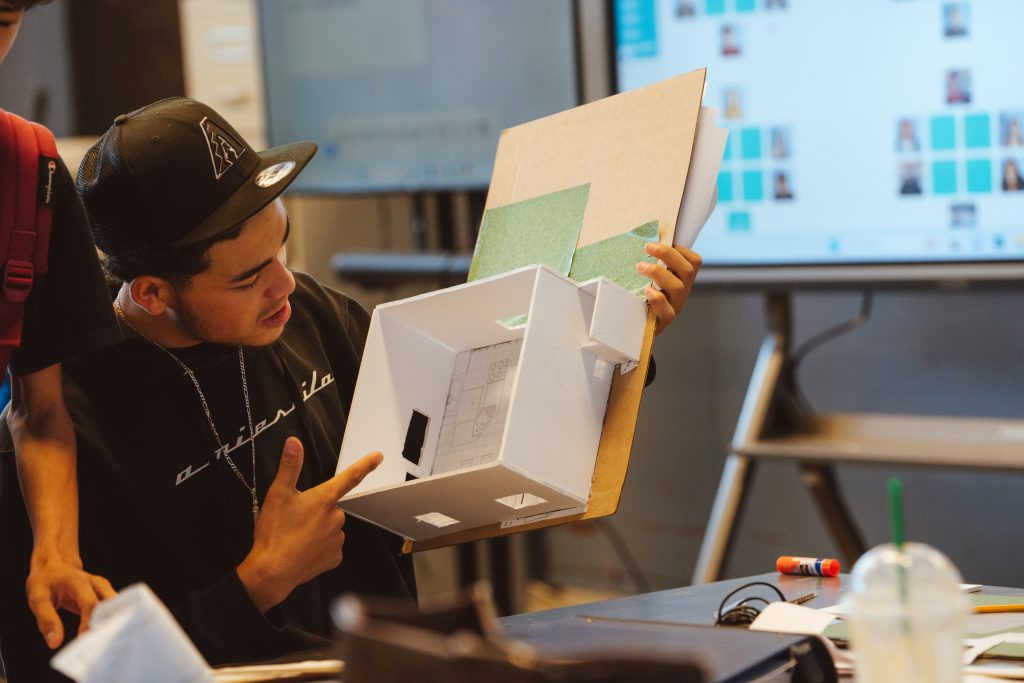
As funders look to move from isolated grants to systems-level impact, the need for durable, place-based models that communities can shape — not just receive — has never been clearer. In northern New Mexico, the LANL Foundation and the Annie E. Casey Foundation are collaborating with twenty other funders to pioneer the next frontier of place-based funding with the Northern New Mexico Pathways to Opportunity Strategy Table: a 15-member collaborative that brings philanthropy, public agencies, community leaders, and young people themselves together to align resources for those too often left out of education and workforce pathways.

What began as a listening process and a fund-mapping exercise has since evolved into a distinctly ambitious model that blends pooled philanthropic, corporate, and public dollars; youth-led participatory grantmaking; and capacity-building designed to help nonprofit  and tribal organizations grow stronger over time. The result is a more community-rooted way of thinking about how grant funding moves, who helps shape it, and what long-term success looks like.

For this installment of Five Minutes With…, NationSwell spoke with Alvin Warren, Vice President of Policy and Impact at the LANL Foundation, and Tomi Hiers, Vice President of Center for Civic Sites and Community Change at the Annie E. Casey Foundation, about what it took to move this work from convening to action, why the Strategy Table built youth voice into the model from the start, and what other funders around the country can learn from this effort. 


NationSwell: What is the Strategy Table, and what challenge was it built to address?

Alvin Warren, LANL Foundation: From our side, it’s important to understand that we’re a 100% place-based foundation based in Española, New Mexico, and we serve a predominantly rural and tribal region across north-central New Mexico. We were created to address a very specific geography: a seven-county, eighteen-tribe region of northern New Mexico.

One thing I knew from my time at Kellogg was that when national funders looked at New Mexico, they often focused only on Albuquerque, and there are understandable reasons for that, especially when funders are trying to meet numerical targets. But what struck me were the many opportunities to invest in good work in rural New Mexico — including work aligned with Casey’s Thrive by 25 framework — and yet that work often wasn’t visible or accessible to larger funders. Sometimes it was happening at a smaller scale; sometimes there were structural barriers that made it difficult for national funders to support smaller, rural organizations or tribes.

So we realized a mechanism might be needed to both draw attention to the opportunities and needs in Northern New Mexico and also make it logistically possible for funders, especially national funders, to invest in a way that felt informed, respectful, and shared. That’s really the blueprint for what the Strategy Table became.

Tomi Hiers, Annie E. Casey Foundation: At the Annie E. Casey Foundation, we made the decision to dedicate roughly 50% of our grantmaking to improving access to opportunity for young people ages 14 to 24 through our Thrive by 25 commitment, and we wanted to begin implementing that work in three places: our hometowns of Baltimore and Atlanta, and also Albuquerque, New Mexico — a place where the Foundation had already been active for about two decades, particularly around systems impacting justice-involved and child welfare-involved youth.

As we started thinking about a place-based strategy in Albuquerque and about working in deep partnership with nonprofits helping young people connect to education, training, employment, youth leadership, and financial stability, we knew it was important to understand the local philanthropic landscape. As a national funder, there can sometimes be tension around how national philanthropy shows up in a place, so we wanted to be a strategic co-investor; we wanted to know who the local funders were, what their priorities were, how those priorities aligned with ours, and how they wanted national philanthropy to support their work.

That’s how we began building relationships with local funders, and with Alvin, who was then at Kellogg and later transitioned to LANL Foundation. Those early conversations about what was important in the broader community, and what kinds of partnerships could help address barriers facing young people, were really the building blocks that eventually led to the Strategy Table.


NationSwell: What makes this different from a traditional workforce or economic development effort?

Warren, LANL Foundation: Northern New Mexico has one of the highest rates of disconnected, or “opportunity,” youth in the country: nearly one in four. For some populations, including Native youth and young parents, that number can be even higher. And this is happening in a region that also has real deserts of opportunity — places where access to paid internships, career training, or youth development programs are limited or uneven. So the goal isn’t simply workforce development in the conventional sense, it’s about transforming the landscape of opportunity so that young people, regardless of where they live in the region, have access to meaningful pathways.

What makes this model distinct is that it’s a pooled fund with three important differences. First, it’s designed to pool philanthropic, corporate, and public dollars, which is relatively unusual. Second, the grantmaking is done through a youth-led participatory process. And third, the model includes dedicated capacity-building support through a Regional Resource Hub, so grantees aren’t just getting one-off dollars, they’re also getting technical assistance, peer learning, and support to become more competitive for larger public and philanthropic funding over time.

Hiers, Annie E. Casey Foundation: What was attractive to us about the Strategy Table was that it offered leverage, sustainability, and scale. We rarely go it alone as a funder; we think a lot about how to use philanthropic dollars to leverage public funding or to bring other philanthropic partners into the work. We’re always asking: how do we have impact beyond a few hundred young people served directly? How do we influence policy and practice?

So part of what was exciting here was that there were already strong efforts underway, and a number of the funders at the table were supporting that work, including state agencies. The question became: how do we scale the best and most promising practices around education, training, and employment for young people, especially those who are often left behind and locked out of opportunity?


NationSwell: How have the Annie E. Casey and LANL Foundations helped move the work from convening to action?

Warren, LANL Foundation: We formally launched in 2021, and the first major step was a fiscal map. We partnered with the Children’s Funding Project and used the Thrive by 25 framework to do a five-year lookback on philanthropic investments in the region. Initially, we were only going to look at philanthropy, but the Casey Foundation pushed us to include public investments as well, and that was transformational; it would have been a huge missing piece otherwise.

At that point, the table had grown from an initial group of four funders to about ten. When the fiscal map was completed, we made what turned out to be a very important decision: instead of releasing the report publicly right away, we paused and took the findings out to our community first. We held a series of community gatherings, including a tribal-specific gathering, across the region, including in very rural communities. We also ran a survey and held focus groups, including one focused on underrepresented youth and another for policymakers and public funders. That process took about a year, and it was all about listening to how community understood the data and what they believed should happen next.

The other major shift from convening to action came when Casey helped us recognize that if we were serious about this, we needed infrastructure. Casey was the first funder to commit real resources to support the backbone and operations of the collaborative. Without that early investment, we would not have been able to grow the table or move toward implementation.

Hiers, Annie E. Casey Foundation: We think a lot about leverage. There’s power in bringing other funders to the table and in aligning philanthropic dollars with public systems. For us, this was an opportunity to support a table that was already rooted in a particular place and to help build something that could influence systems, not just fund isolated programs.

Once the fund mapping report came back, it became easier to think strategically. It helped us understand both where resources were flowing and where they weren’t. There was one county, for example, where the lack of investment was striking. That allowed the table to ask: What problem are we trying to solve, and what can a pooled set of more nimble philanthropic resources actually do?

From there, it was about planning carefully and building toward a model that could invite local partners into a meaningful, well-designed process for competing for and receiving resources.


NationSwell: What does the most helpful philanthropic support look like in a collaborative like this?

Hiers, Annie E. Casey Foundation: Flexibility is really important. In the early days, there was some willingness from other funders to include Albuquerque because Casey was doing work there. But we took the position that even though we were active in Albuquerque, this table was focused on northern New Mexico, and that was okay. We didn’t want our partners to contort themselves to make something work for us just because of how we had originally framed our priorities.

So for other funders or strategic partners joining a table, I think one of the biggest lessons is: if there are places where you can be flexible in service of the broader effort, you should seriously consider that.

Warren, LANL Foundation: I’d add that impact comes from infrastructure. Funders often want as much money as possible going directly out the door, and of course that matters. But if you under-resource the infrastructure it takes to do something complex like this, you undercut the impact. That means staffing, facilitation, evaluation, communications, support for the youth advisory members, and all the connective tissue that makes a collaborative actually function. Those investments may not always feel as exciting as direct grants, but they’re what make the grants more effective.

The other thing is: lend a hand. This doesn’t work if one organization is doing all the labor. Casey and other funders have actively helped make introductions, bring in new partners, and expand the pool, and that’s part of how we’ve grown the number of contributing funders. 

And finally: show up. It matters when national funders come in person, meet grantees, and participate face to face. That presence builds trust and changes the quality of the relationship.


NationSwell: What’s one anecdote or example of progress you’ve seen that shows the model is working?

Hiers, Annie E. Casey Foundation: One sign is simply that partners are still there, and new partners keep joining. My understanding is that this kind of table is something relatively new for northern New Mexico: funders coming together in this way with each other, with public systems, and with the broader community. The fact that the table has held together and continued to attract interest is itself a meaningful sign that the model is offering something valuable.

Warren, LANL Foundation: We’ve now been able to make 19 grants, almost all at the $100,000 level, with a couple slightly smaller based on what grantees requested. Based on grantee data, we anticipate reaching at least 800 young people by the end of the first year.

What’s especially exciting is the growth in participation in the pooled fund itself. As of the end of last week, we had 21 corporate and philanthropic funders either contributing or engaged in supporting the youth fund in some way, including 17 philanthropic funders and four corporate funders. And our largest state agency partner, the New Mexico Department of Workforce Solutions (essentially our Department of Labor), has committed a $1.5 million match for our second grantmaking round.


NationSwell: What’s been your biggest challenge in standing up this work, and what have funders needed to understand about that complexity?

Warren, LANL Foundation: One of the biggest challenges was the tension between moving thoughtfully and moving quickly. We spent what I think was an appropriate amount of time doing shared analysis and relationship building. That meant bringing funders together repeatedly, defining terms, developing guiding principles, and getting clear on what success actually meant across organizations with very different strategies and metrics.

That took time — a couple of years, really. And during that period, there were certainly people saying, “We’ve been in this space too long; we need to move to action.” That pressure is understandable. But if you don’t spend time building shared understanding, you can end up with a collaborative that looks aligned on paper but isn’t actually aligned in practice.

Hiers, Annie E. Casey Foundation: I think it also helps to have a broader definition of success. To me, the table being formed was a success. Having diverse philanthropic and public partners at the table was a success. Conducting the fund map and having honest conversations about what the data told us, and what it didn’t, was a success. Those things matter. And then, yes, the grants and the impact on young people are the “cherry on top,” but the process that led there matters too.


NationSwell: What felt important about building youth voice and participatory grantmaking into the Strategy Table’s design from the start?

Hiers, Annie E. Casey Foundation: Youth leadership is one of the pillars of Thrive by 25, and our Foundation has also been doing a lot of work around intergenerational engagement. It’s one thing to talk about youth voice or youth development. It’s another to think seriously about how adults and young people actually sit together, share decision-making, and govern together.

That was part of what made this model so intriguing to us. I’ll be honest — I didn’t know exactly how it would play out. I had questions: How would the youth advisory group be structured? Who would support them? How would adults and young people sit alongside each other in a real decision-making process? But when you’re part of a collaborative, you also have to trust the design process and the partners at the table. This was a chance to see what meaningful youth leadership and intergenerational governance could actually look like in practice.

Warren, LANL Foundation: We were very intentional about making sure the young people involved actually reflected the populations the work is designed to serve. The original members of the Regional Youth Advisory Council represented Native youth and Opportunity Youth, among others. In fact, two of the most active members are young parents.

We also didn’t just bring in young people who had never been exposed to philanthropy or leadership spaces. We recruited young people who had already participated in youth development efforts and were ready for this to be the next step in their leadership. And the reason we were able to do this well is because we had already spent so much time developing shared guiding principles that became a touchstone for the table. They made it much easier to say: if we really believe these things, then youth leadership and participatory grantmaking aren’t optional — they’re part of the model.


NationSwell: What can other funders and regional leaders take away from this model?

Hiers, Annie E. Casey Foundation:  Flexibility is one of the biggest takeaways. If you’re joining or building a collaborative, there may be places where you can loosen your grip on your own preferences in order to strengthen the broader effort, but that doesn’t mean losing your priorities, it means being willing to support something bigger than any one organization.

Also: time matters. If you want to build something durable, you have to resist the urge to rush to visible outputs before the foundation is there. Build intentionally, document what matters, and be prepared to adapt as the work evolves. The goal is not speed for its own sake — it’s sustainability.

And finally, I advise folks to define success broadly. The process of building alignment, doing the analysis, surfacing the data, and creating a real table with diverse stakeholders is not just pre-work, it is part of the impact.

Warren, LANL Foundation: If I had to put it in bullet points, I’d say:

  • Be willing to learn together. We wouldn’t have this table, or this success, without the Casey Foundation, our other Strategy Table partners, and other contributors. In particular, if Casey had gotten a year in and said, “Actually, it’s been great, see you later,” I honestly don’t know where we’d be. 
  • Stay the course. Philanthropy is often too quick to pivot just as things begin to work. When you stay the course, you begin to build capacity and move towards long-term impact. 
  • Recognize that impact comes from infrastructure. You don’t win by undercutting the resources it takes to do something this complex. Funders have to invest in the infrastructure, too — staffing, evaluation, communications, facilitation, the support it takes to manage and train the Regional Youth Advisory Council. All of that is what makes the impact possible, alongside the dollars going into the fund itself.
  • Lend a hand: Don’t assume one backbone organization should do all the labor.
  • Show up, especially in person. National funders, in particular, need to remember that their presence matters. It matters when they come to the community, meet grantees, and participate via relationships, not just transactions. That can make all the difference.

The Northern New Mexico Pathways to Opportunity Strategy Table is made possible by a collaborative of 15 members: Anchorum Health Foundation, The Annie E. Casey Foundation, Aspen Institute Forum for Community Solutions, The Cricket Island Foundation, LANL Foundation, Los Alamos National Laboratory Community Partnerships Office / Triad National Security, LLC, Las Vegas (New Mexico) Community Foundation, Marshall L. and Perrine D. McCune Charitable Foundation, New Mexico Foundation, Regional Youth Advisory Council, Santa Fe Community Foundation, Taos Community Foundation, Conrad N. Hilton Foundation, Thornburg Foundation, United Way North Central New Mexico, and W.K. Kellogg Foundation.

The Placed-based Action Map

The Placed-based Action Map

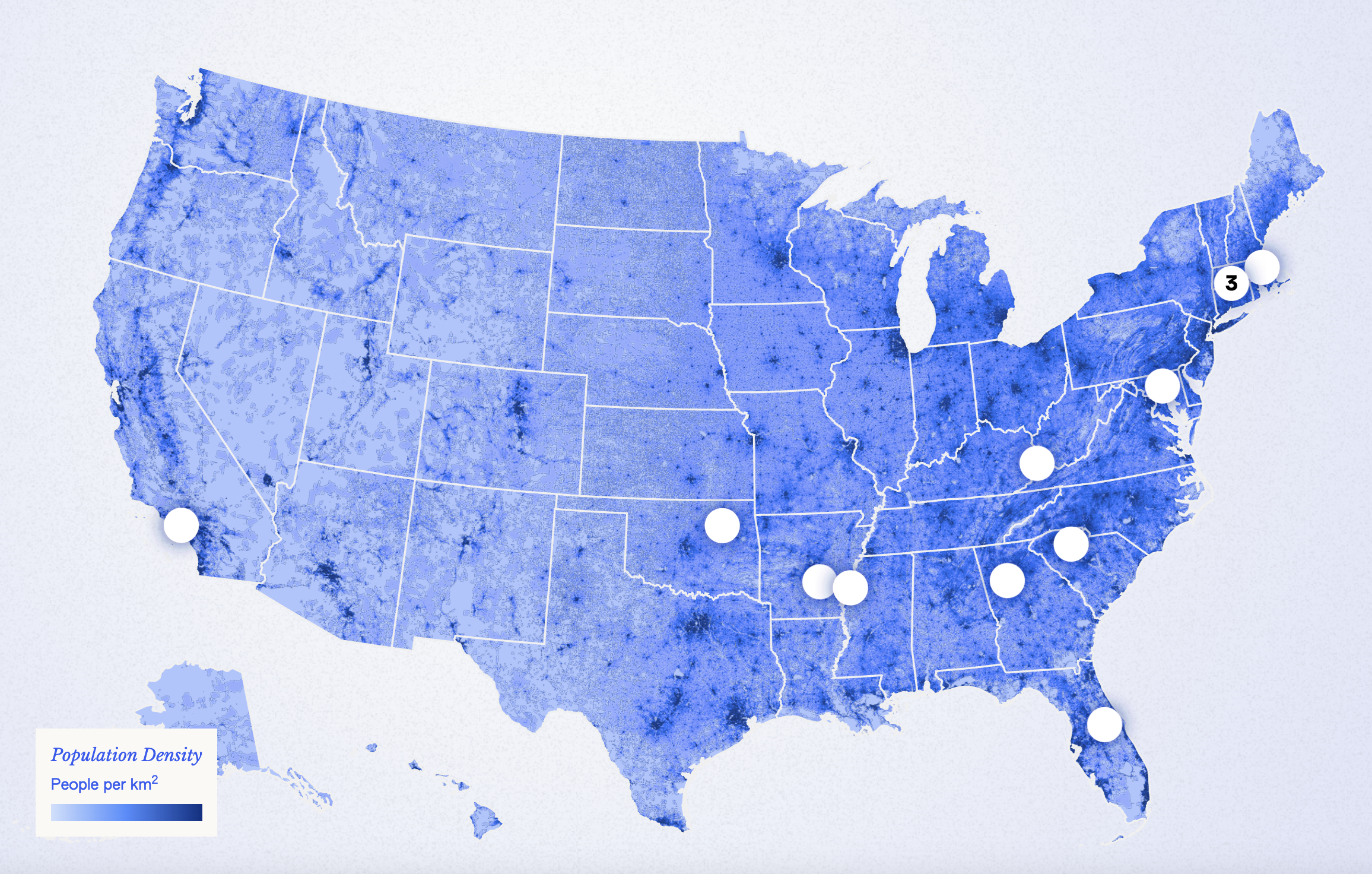
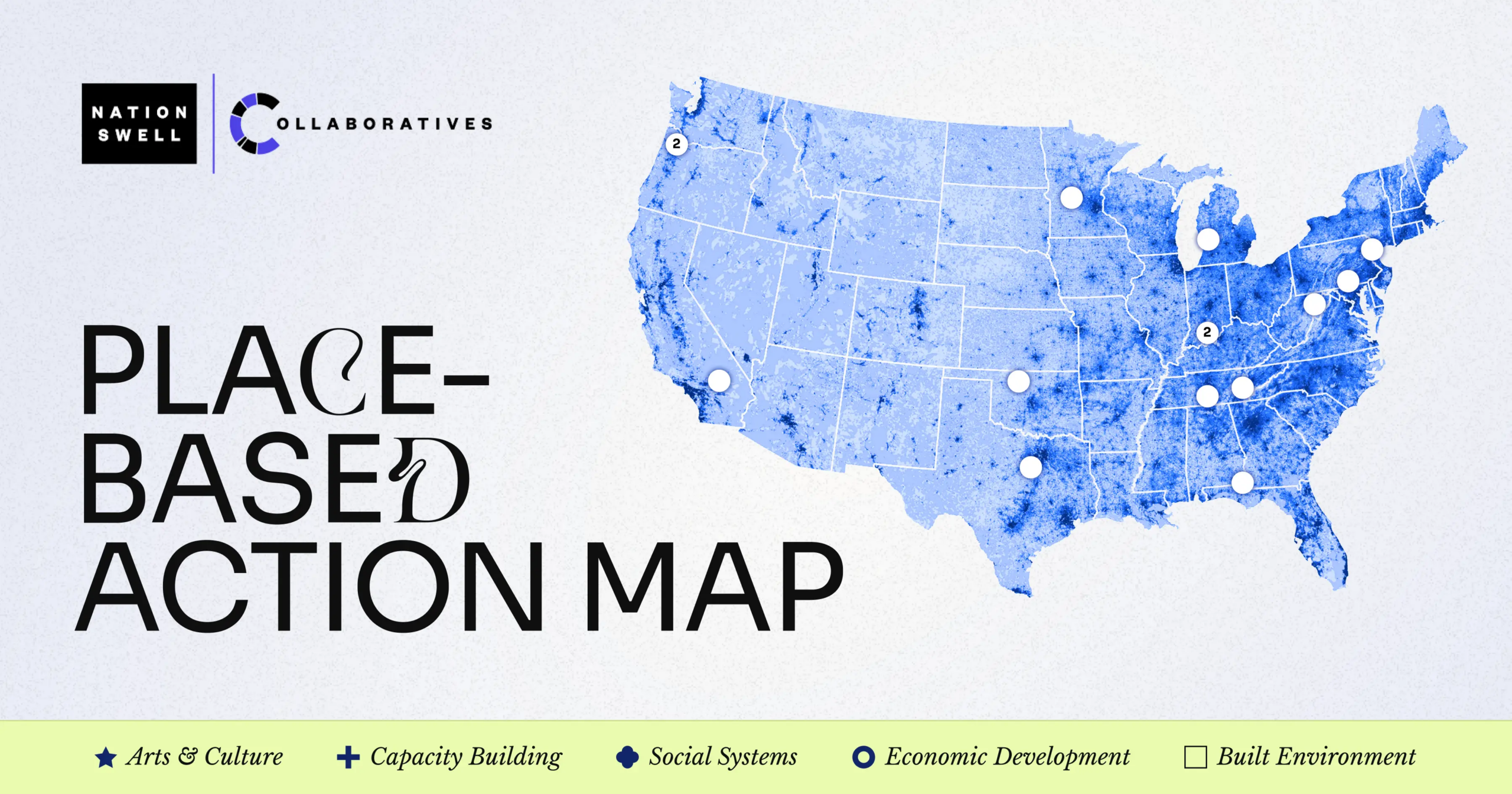
Where is effective place-based impact actually happening, and who is involved? Until now, it’s been difficult to answer that with any clarity.

The Place-Based Impact Map allows users to explore initiatives across the U.S., making it easy to explore what’s happening in your region and others, and who to reach out to for insights. And the map offers place-base leaders an opportunity to promote their work to curious funders and regional supporters. A companion to the Place-based Impact Measurement Toolkit.


Share this report

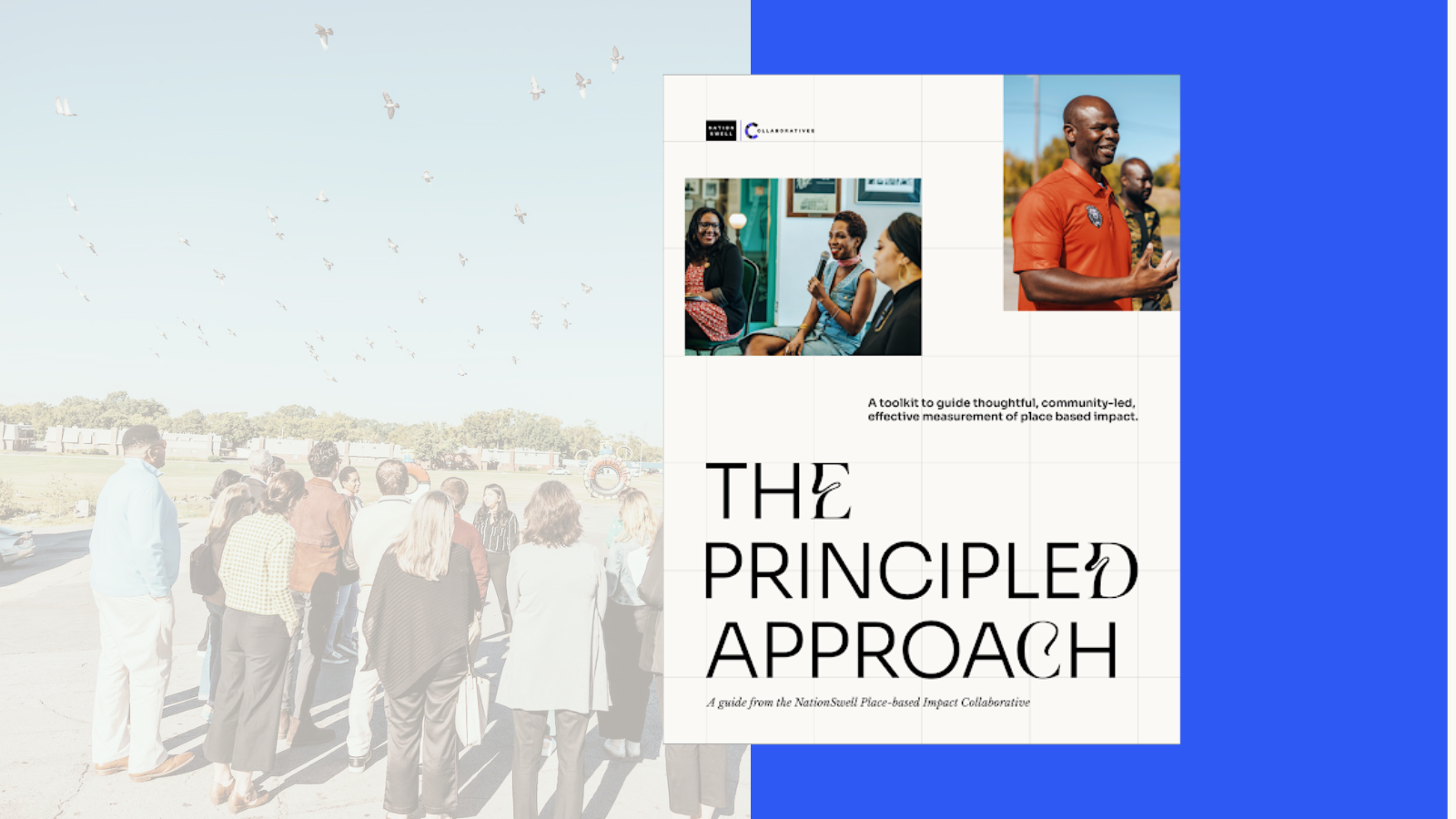
The Principled Approach: Place-based Measurement Toolkit

The Principled Approach: Place-based Measurement Toolkit

Measuring impact can be hard to do accurately and effectively. Place Based Impact Measurement in particular, because every region and neighborhood is different. That can lead to overlapping KPIs and confusion over how to chart progress, and scale good ideas.

So, NationSwell’s Place Based Collaborative have created a new resource to address this gap:‘The Principled Approach’ — A toolkit to guide thoughtful, community-led, effective
measurement of place-based impact.

Whether you are embarking on place based work, or deep into it, this toolkit illuminates the key principles that put communities at the heart of not just the programs being funded, but the way the success of those efforts is quantified. A perfect companion to NationSwell’s Place-based Action Map.


Share this report

Leveraging AI & Technology to Connect More Communities to Quality Healthcare

Technology is reshaping healthcare access, but progress is uneven. AI, digital tools, and data platforms have the potential to extend care to underserved communities, address workforce shortages, and improve outcomes. At the same time, gaps in infrastructure, trust, and governance risk widening disparities rather than closing them.

On May 5, NationSwell convened a group of leaders from the healthcare, technology, philanthropy, and the social sectors to unpack how AI and technology can be used to connect more communities to quality care. Together, the group focused on practical strategies for deploying technology responsibly, building partnerships that center community needs, and ensuring that innovation strengthens equity, affordability, and trust in healthcare systems. Some of the most salient takeaways from the discussion appear below:


Key Takeaways:

Ensure that technology empowers community health workers as relationship builders. AI and tech are most valuable when they augment the work of community health workers rather than substitute it. The trusted, relational role that CHWs play in their communities is the irreplaceable foundation of effective care connection. All technology deployed should be designed to protect and extend that capacity.

Design AI tools with CHWs and communities. The most responsible AI adoption in healthcare requires community health workers and the communities they serve to be active participants in tool design. Without mechanisms for feedback, bias mitigation, and accountability, technology risks widening the very health inequities it aims to address.

Prioritize data security and trust as foundational. Organizations working at the intersection of technology and community health must treat data stewardship with the same rigor as the healthcare system itself. Achieving certifications, committing to governance structures, and designing platforms that bring AI into the human loop are essential to maintaining the trust that makes community engagement possible.

Address the full picture of need, not just point-of-care data. Existing data systems often capture only what brings someone into the healthcare system, missing the co-occurring social determinants of health that shape outcomes. Continuous, relationship-based data collection with the support of technology can surface a more complete and actionable picture that enables both better resource connection and effective advocacy.

Invest in AI literacy and critical capacity for the CHW workforce. Community health workers need both the practical skills to use AI tools effectively and the critical frameworks to evaluate how those tools are designed and deployed. Approaches that build competency while also developing CHW voice in governance and advocacy are critical to ensuring that the workforce shaping communities is not left behind as technology advances.

Build toward interoperability and sustainable models. For community-based organizations to achieve lasting impact through technology, they must be able to integrate securely with healthcare payer systems. Achieving interoperability opens pathways to revenue that sustains mission-driven work in ways that philanthropic funding alone cannot.

Shift the question from “can we?” to “should we?” Across sectors, the most important orientation toward AI adoption is not simply capability, but intentionality. Keeping the focus on how technology can better serve CHWs, and continuously asking whether each application advances their interventions, is the compass that keeps this work on the right path.

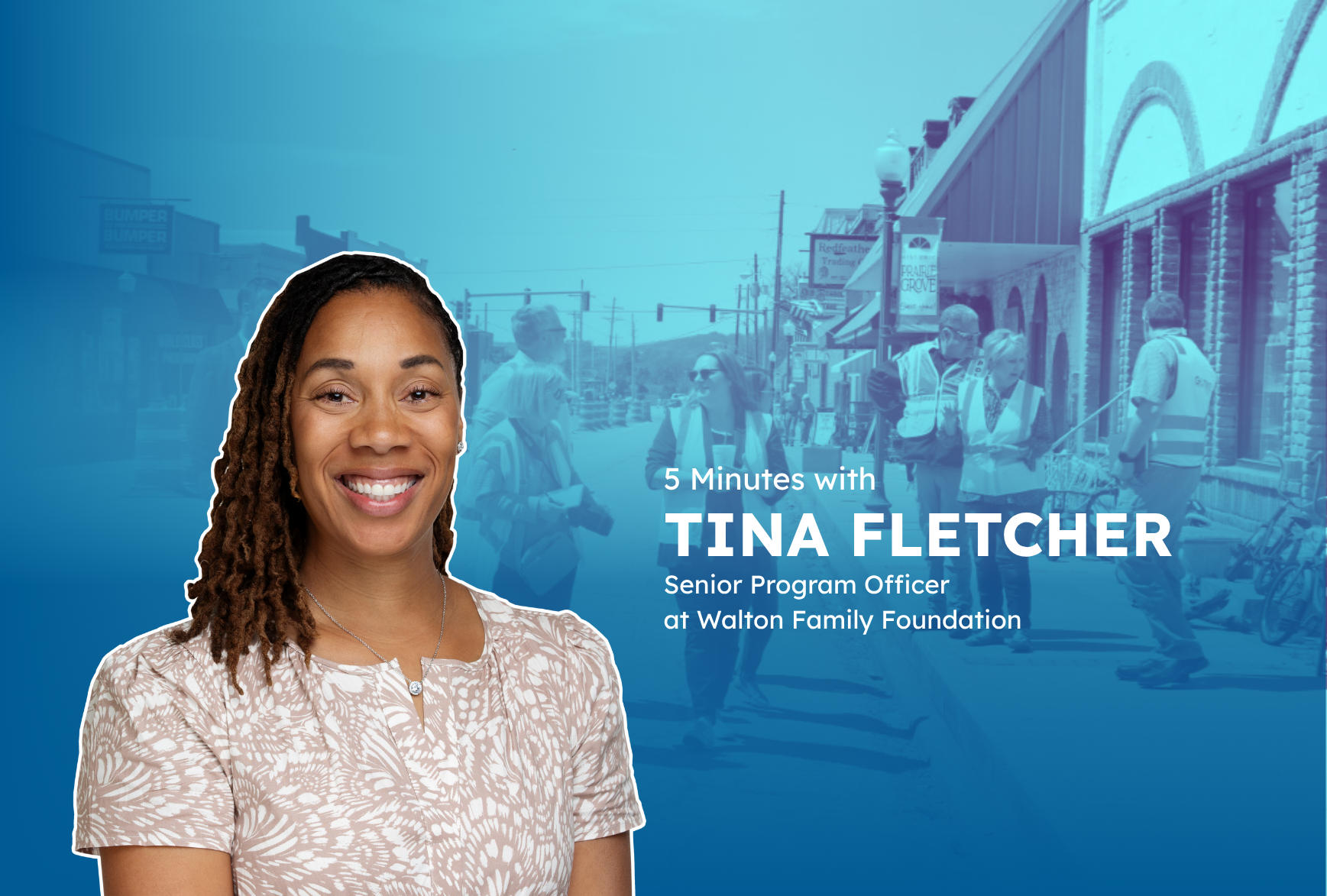
Five Minutes with… Walton Family Foundation’s Tina Fletcher

The Arkansas-Mississippi Delta is a case study in what community-rooted investment can make possible. Too often framed through deficit and disinvestment, the Delta is also a place of deep resilience, cultural richness, and local leadership; a region where people have been building and adapting solutions for generations, often without the level of sustained support they deserve. 

Tina Fletcher, who helps lead the Walton Family Foundation’s work in the Delta, is focused on helping shift that narrative by pairing long-term commitment with a community-centered approach to partnership. Across education, economic mobility, and leadership development, Fletcher’s work centers on strengthening what’s already working in the region and connecting the people and institutions best positioned to carry that momentum forward.

For this installment of Five Minutes With…, NationSwell spoke with Tina about what makes the Delta such a distinctive and inspiring place to work and why the greatest opportunity may be less about reinventing the Delta than investing in the talent and leadership that’s already there.

Here’s what she had to say:


NationSwell: For those less familiar, how would you describe the Delta — and what makes this region both unique and inspiring to you?

Tina Fletcher, Senior Program Officer, Walton Family Foundation: When it comes to the Delta, what stands out to me is just how much determination and resilience already exists. The Delta is a region rich in culture, community, and getting things done, with deep relationships and a strong sense of place that you can feel immediately. What makes it especially inspiring is that, despite being under-funded, the Delta has never lacked the capability to thrive. The Delta is full of people who have been leading and building for generations, people who aren’t waiting for solutions; they’re generating them in real time and in and meaningful ways. What’s needed now is investment that recognizes and accelerates that momentum because when you shift from “What’s wrong?” to “What’s working?”, the Delta looks entirely different.

NationSwell: How would you describe the Walton Family Foundation’s strategy on building trust and momentum in the Delta region over time?

Fletcher, WFF: At the Walton Family Foundation, our Delta Region strategy is simple, but not easy: show up, listen, be a good partner, and stay committed. Building trust in the Delta means investing in relationships just as much as we invest in results. In my role, I focus on strengthening what’s already working across education, economic mobility, and leadership, while finding creative ways to connect the individuals driving progress. I also bring a learning mindset to every table and conversation  I join, using data to inform the work without losing sight of community voice. That combination-commitment, consistency, humility, and rigor—is what turns trust into real momentum.

NationSwell: Can you share a moment or partnership in the Delta that changed how you think about community-centered philanthropy?

Fletcher, WFF: The biggest shift for me has been seeing what happens when communities aren’t just included—they’re in the lead. Across the Delta, I’ve seen young people, educators, and local leaders design solutions that are more relevant, effective, and sustainable than anything we could prescribe from the outside. I saw this firsthand in Jonestown, Mississippi, during a conversation with Mayor Columbus Russell, Jr., the youngest mayor in the state, and again in Helena-West Helena, Arkansas, led by Mayor Joseph Whitfield. Both are young, energetic leaders working in step with residents, partners, and funders to move their communities forward. Those moments reinforced that proximity matters. Community-centered philanthropy isn’t just about engagement, it’s about shared ownership. When communities lead together, the results aren’t just impactful, they’re sustainable. And that’s when the work doesn’t just land, it takes root.

NationSwell: For funders looking to invest in the Delta, what guidance would you offer to ensure their approach is both effective and community-centered? What are some common mistakes you’d recommend they avoid?

Fletcher, WFF: First, start by listening and plan to stay longer than you initially imagined. The Delta doesn’t need more one-off investments; it needs partners willing to build over time. Fund what’s already working, invest in capacity, and trust local leaders to guide the way. A common mistake is chasing quick wins without understanding the broader system or underestimating how long trust takes to build. In the Delta, philanthropy must focus on building trust and staying committed, because that’s what ultimately drives results. Opportunities for impact are real and plentiful, but they require patience, partnership, and a deep belief in the people closest to the work.

NationSwell: As a leader, how has working in the Delta shaped your personal leadership style, or clarified what kind of leadership this work requires?

Fletcher, WFF: This work has taught me that leadership isn’t about having all the answers, it’s about creating the conditions for the right answers to emerge. In the Delta, that means listening deeply, sharing power, and being intentional about whose voices shape your decision-making around the work. It’s also reinforced the importance of staying grounded in both data and humanity, balancing the desire for accountability and rigor with the realistic challenges Delta communities face. As a result, I am much more focused on connecting dots amongst stakeholders, leverage my organizations connections to benefit the communities we serve, funding what has proven to work, and making space for others to learn and lead. The kind of leadership this work requires is steady, collaborative, and deeply rooted in trust.

NationSwell: What gives you the most optimism about the future of the Delta, and where do you see the greatest opportunities for impact in the years ahead?

Fletcher, WFF: What gives me optimism is the talent and leadership already present, especially young leaders who are stepping up to shape what comes next, alongside seasoned leaders supporting them along the way. There’s a growing ecosystem of organizations doing powerful work, and the opportunity now is to connect and scale those efforts. I see real potential in more intentionally linking education to economic mobility, creating clear, local pathways from learning to earning and investing. The Delta doesn’t need to be reinvented; it needs to be invested in. And for funders willing to lean in, this is a moment with real momentum.

NationSwell op-ed: Predicting the Future of Work

We are currently living through one of the most profound shifts in the history of work. As AI, automation, and other emerging technologies redefine jobs, skills, and career pathways wholesale, leaders across sectors are being called to meet these industry-wide undulations head-on and help shape what comes next.

That imperative is at the heart of NationSwell’s new Workforce Innovation Collaborative — a cross-sector effort designed to help leaders explore emerging workforce trends and co-design scalable solutions for a more future-ready and inclusive economy. Through shared learning, strategic dialogue, and collective action, the Collaborative aims to create the kind of trusted space leaders need to navigate uncertainty and create a future-ready workforce where every person has the skills, opportunities, and support to succeed.

To mark the launch of that work, NationSwell invited leaders from the Collaborative to respond to a shared prompt:

Which emerging signals are giving you the most optimism about the future of work right now? And where do you currently see the greatest opportunity to build a system that is more responsive to where work is headed next?

Although their responses reflect different vantage points, they converge around the common belief that the future of work will be shaped by how well leaders connect learning to real opportunity, pair innovation with inclusion, and design workforce systems that can adapt as quickly as the world around them changes.


Prompt: Which emerging signals are giving you the most optimism about the future of work right now? Where do you currently see the greatest opportunity to build a workforce system that is more responsive to where work is headed next?

“We are at an inflection point in the future of work, and I believe the greatest source of optimism and opportunity is in mastering the art and science of building truly responsive workforce systems.

The science is the strategic leveraging of predictive labor market intelligence. By shifting away from reactive measures, we can now leverage data and insights to anticipate skill demands driven by global trends. Our data provides the scientific rigor needed to pinpoint future talent shortages, standardize risk indicators, and replace guesswork with reliable, real-time insights, allowing us to accelerate our workforce investments across the globe.

However, the true opportunity — the art — lies in translating those insights and data into hyper-local execution that allows us to co-create with the communities we work in. This essential human-centered approach ensures our work doesn’t just fill a business gap, but actively builds equitable, transparent systems that deliver a net-positive impact in local communities. We achieve this by cultivating bespoke, long-term partnerships with community leaders, educational institutions, and nonprofits. 

Linking our global data-driven approach to local trust and co-creation is the systemic approach necessary to ensure our interventions foster equity and accessibility, building the sustainable, resilient workforce the future demands.”

Courtney Williams, Global Workforce Development & Labor Market Intelligence, Google


Across the Design and Make industries, I’m seeing promising workforce solutions that connect access, applied skills, and real hiring pathways. It’s no longer enough to train people on tools in isolation — what’s emerging now are integrated models that build capability in real workflows, validate those skills through industry recognized credentials, and link learners directly to opportunity. That’s how we ensure both students and experienced professionals can adapt and thrive as technology reshapes the future of work.”

Kate Buchanan, Workforce Innovation & Investment Lead, Autodesk Foundation


“Right now, what gives me the most optimism about the future of work is the growing consensus that, as AI reshapes roles, human-centric skills — critical thinking, communication, and creativity — matter more, not less. It’s really important that optimism is matched with action in this moment, and through Barclays LifeSkills, our programs are helping people to develop these skills in order to differentiate themselves for current and future roles.

As we look at the workforce development sector, the greatest opportunity is to build a system that keeps pace with change by connecting learning to work earlier and more often, and by updating training as employer needs evolve faster. That means scaling employer-aligned earn-and-learn pathways — apprenticeships, fellowships, internships and project-based work — so learners graduate with an increased level of experience. It also means widening access to growth sectors, including AI-enabled roles and the skilled trades, where we continue to see strong demand. Through Barclays LifeSkills, we’re working across our partnerships to turn demand into clear routes to good jobs.”

Deborah Goldfarb, Global Head of Citizenship, Barclays


“What gives me optimism is how clearly manufacturing and industrial skills are being redefined as both high-tech and people-driven. Advances in automation, digital tools and connected systems are changing work on the factory floor and at job sites. Realizing the full value of those advances depends on sustained investment in our people through skills-building, learning and clear career pathways. I’m also encouraged by how employers are engaging more intentionally with collaborators beyond their organizations. We’re witnessing stronger coordination among educators, workforce systems and local communities to ensure training keeps pace with technological advancement. This alignment — of innovation, skills and purpose — is a compelling signal that manufacturing can provide meaningful, fulfilling careers in a dynamic industry.

One of the greatest opportunities lies in modernizing workforce systems to evolve alongside the technologies shaping manufacturing. High schools, community colleges and regional training providers are critical anchors in this system, and we need to align more closely and dynamically with them, given that roles and skill requirements are changing faster than traditional training cycles can keep pace.

That means co‑designing training pathways that blend hands‑on experience with digital and technology‑enabled learning. It also means creating opportunities for continuous upskilling throughout a career. When workforce systems are built to adapt — rather than react — they not only prepare people for today’s manufacturing roles, but also for the future. They also help ensure the industry can remain innovative, competitive, and resilient over the long term.”

Asha Varghese, Head of Corporate Social Responsibility, Caterpillar Inc. and President of the Caterpillar Foundation


“We are seeing a historic surge in systems readiness work at the local, state, and national levels. Stakeholders in the workforce ecosystem sometimes work in silos, but I’m seeing sustained interest in collaboration, especially across sectors. We are collectively examining what worked in the past to determine what must evolve for the future. 

There’s also growing consensus that career journeys of the future will be less linear. We know upskilling isn’t one-dimensional. It might mean deepening expertise to grow within an existing career trajectory, diversifying skills to transition into an adjacent role, or pivoting into an entirely new profession. A big opportunity right now is to reimagine our support systems to recognize this full spectrum of movement, ensuring that our infrastructure is as flexible as the workers it serves.”

Diana Fischer, Senior Director, Workday Foundation


“One of the greatest opportunities is in building accelerated, more flexible pathways into the skilled trades that are tightly connected with employer needs. A more responsive workforce system should focus on expanding apprenticeships, investing in short-term training, and exposing students earlier to these fulfilling and well-paying careers.”

Betsy Conway, Executive Director, Lowe’s Foundation

Building a More Inclusive and Empowering Narrative Around Wealth

Across the impact field, efforts to advance economic mobility and inclusive growth are encountering friction with the language we use. Wealth is often understood narrowly as accumulation or privilege rather than as a practical foundation for stability, choice, and long-term opportunity. When the narrative is muddled or loaded, it becomes harder to build durable public support for policies and programs that expand economic power.

On April 23, NationSwell invited leaders from the philanthropy, business, and social sectors to a conversation on how the impact field can develop a clearer, more inclusive narrative and vocabulary around wealth. Together, participants discussed how words like ownership, assets, security, and opportunity are landing today, where they fall short, and how reframing can better support economic mobility and inclusive growth initiatives. Some of the most salient takeaways from the conversation appear below:


Key takeaways:

Shift narratives from individual financial behavior to structural drivers of wealth. While personal choices play a role, wealth outcomes are often shaped by structural factors, such as employer retirement benefits, housing markets, and federal policies, rather than individual choices. Personal stories often highlight how factors like low wages, lack of access to capital, student debt, and historical inequities (e.g., redlining, exclusion) shape financial outcomes over generations. It is important to move away from framing wealth as purely a result of personal decision-making and toward acknowledging systemic influences. 

Use more relatable language to describe wealth and financial well-being. The term “wealth” can feel abstract or associated with extreme affluence, making it hard for many people, especially young people, to relate to. Reframing wealth in terms of savings, financial stability, or the ability to handle everyday expenses makes the concept more accessible. For example, wealth in practical terms can be described as having savings that provide a buffer against unexpected events and enable future investments like education or housing. This framing reflects how many individuals and young people actually experience financial well-being.

Normalize investing as accessible to all income levels. Individuals and communities often have the capability to build wealth but lack access to financial, social, and knowledge capital. Research shared in the discussion showed that many individuals, including those with retirement accounts, do not see themselves as “investors” and instead associate investing with a narrow demographic. Shifting this perception, so that people view themselves as investors regardless of income, is critical to changing long-term financial behavior.

Move beyond financial literacy toward asset-building opportunities. Programs focused only on budgeting or financial literacy don’t meet the needs of all populations. More effective approaches include pairing guidance with tangible opportunities – such as matched savings programs, early investment accounts, homeownership support, and youth “earn and learn” initiatives – that enable actual wealth accumulation. Additionally, social capital, especially through mentorship, is a key mechanism for helping individuals navigate systems like financial aid, education, and homeownership. Building and scaling these relationships can support broader access to economic mobility.

Bridge place-based and national approaches to wealth-building strategies. It is important to combine locally tailored strategies – grounded in community history and context – with broader national resources and infrastructure. This balance can help scale solutions while maintaining relevance to specific communities.

Improve how insights and solutions are shared across philanthropy. Philanthropy does not  always effectively share knowledge about what works. Better distribution of actionable insights, especially in accessible formats, is a major opportunity for increasing impact in the community wealth-building field. 

Impact Next: An interview with the Caterpillar Foundation’s Asha Varghese

At a moment of unevenness and division, who is advancing the vanguard of economic and social progress to bolster under-served communities? Whose work is fostering the shared growth that ensures every individual thrives? Who will set the ambitious standards that mobilize whole industries, challenging their peers to reach new altitudes of social impact? 

In 2025, Impact Next — an editorial flagship series from NationSwell — will spotlight the standard-bearing corporate social responsibility and impact leaders, entrepreneurs, experts, and philanthropists whose catalytic work has the potential to shape the landscape of progress amid urgent need for social and economic action.

For this installment, NationSwell interviewed Asha Varghese, Head of Corporate Social Responsibility at Caterpillar and President of the Caterpillar Foundation.


Greg Behrman, founder and CEO, NationSwell: What brought you to the field that you’re in right now? Was there an early moment, a relationship, or an experience that galvanized your commitment to driving bold action?

Asha Varghese, Head of Corporate Social Responsibility at Caterpillar and President of the Caterpillar Foundation: What brought me into this work wasn’t a single defining moment but really a series of experiences that shaped how I see opportunity, equity, and the role the private sector can play in expanding both.

A big part of that goes back to growing up between two very different worlds. I spent my early childhood in Kerala, India, and my family didn’t move to rural Kentucky until I was 12. On the surface, those places couldn’t have looked more different, but what connected them for me was how deeply access to opportunity shaped people’s lives. I was fortunate to grow up in a family that believed fiercely in education and pushed us toward careers, especially in STEM. But many people in both of those communities didn’t have the same access. Living between those two worlds taught me resilience, but also a lasting awareness of how much opportunity — or the lack of it — can define a person’s path.

The other set of worlds I’ve learned to navigate is more professional: I’m a computer engineer by training, and I now work in corporate philanthropy and social impact. Those fields may seem far apart, but for me they’re deeply connected: Engineering taught me how to break down complex problems, innovate with limited resources, and build thoughtful, durable solutions, and I bring that same mindset to social impact work.

That’s really how I think about this role: bridging the discipline and problem-solving orientation of the private sector with the urgency and complexity of social development. It’s the combination of those personal and professional experiences that led me here.

Behrman, NationSwell: What is the “North Star” of your leadership style? What are some of the attributes that make you an effective leader in the space?

Varghese, Caterpillar: I’d say my North Star as a leader is creating stable pathways for people to thrive, no matter where they’re starting from. That’s true for how I lead as an individual, and also for how I show up representing our brand.

I actually got a lot of clarity on that through the Presidential Leadership Scholars program, which brings together leaders to study the leadership styles of past U.S. presidents. One of the most powerful exercises they put us through was identifying your single core value — the one you’d choose if you could only pick one. For me, that value was stability.

That really clicked for me because it ties so directly to my own journey. Stable environments created opportunity in my life, and that’s shaped how I think about leadership ever since. Any solution I’m building, any initiative I’m helping lead, I want to make sure I’m leaving behind something that outlasts me: a system that is durable, intentional, and built to support people over time.

The other value that has become increasingly important to me over the last decade is empathy. And I don’t think of empathy as a soft skill but as strategic clarity. It’s about listening deeply to communities, to teams, to emerging leaders, and making sure their voices shape the systems we’re building. At the core of all of it, I believe in expanding access to opportunity. That’s what guides the work I do.

Behrman, NationSwell: What is helping you or anchoring you to a sense of stability in the current moment?

Varghese, Caterpillar: A good example of that is the work we’ve been doing at Caterpillar around the future of work. Last year, as we celebrated the company’s centennial, we used that milestone not just to reflect on our legacy, but to sharpen our focus on people.

In a moment defined by AI and rapid technological change, the question for us is not whether technology matters; of course it does. The question is: how do we make sure people and technology can coexist and thrive together? That’s where a lot of my work is centered right now.

It connects directly to our broader commitment around workforce development and the future of work. For the next generation entering the workforce, the path forward can feel increasingly unclear. At the same time, there are many workers, especially in manufacturing and adjacent sectors, who understandably worry about being left behind. So the challenge for us is how to help create stable pathways for both groups: pathways that help young people navigate what’s next, and pathways that help current workers adapt with confidence.

That’s the work in front of us right now: taking a massive, complex problem and breaking it down into scalable solutions that help people feel more prepared, more included, and more secure in the future.

Behrman, NationSwell: What is unique or differentiated about the approach that you’re taking? Can you walk us through what excites you most about the work that you’re leading?

Varghese, Caterpillar: It’s hard to pick a single initiative, but the work I’m most energized by right now is our growing enterprise-wide commitment to workforce development. We’ve supported that work in different ways for years, but this deeper focus across the company gives me a lot of optimism because it’s so clearly centered on people.

More broadly, one approach I’m especially proud of is how we think about shared-value philanthropy: designing strategies that create real social impact while also aligning with the unique role a company like Caterpillar can play. Over the last six years, through a pandemic, humanitarian crises, and all kinds of global volatility, we’ve stayed committed to showing up consistently in communities. And what I’m proudest of is that we’ve done it by keeping community at the center — not by assuming we know the answers, but by listening, collaborating, and building solutions that can outlast us.

A good example in the U.S. is the Caterpillar Foundation’s work with Learning Undefeated, which uses game-based experiences to get K–12 students, especially middle schoolers, excited about STEM and modern manufacturing. It’s a creative way to tackle perception and interest early, and it brings in not just students, but teachers and other adults who influence their choices.

Globally, the Foundation is also focused on partnerships that treat jobs as the outcome, not just training. That’s what I appreciate about partners like IYF and Generation: the goal isn’t simply to hand someone a certification. It’s to ask, did this person get a job, and are they still in it six months later? That’s the kind of economic progress that matters. 

Behrman, NationSwell: Are there any particularly cool or illustrative examples of how Caterpillar is showing up in communities?

Varghese, Caterpillar: One longstanding area of work I’d point to is our disaster relief and humanitarian response portfolio through the Foundation. What I find especially meaningful about it is that we don’t think about disaster response as just the immediate relief effort (though that’s obviously critical). We also focus on how communities can be better prepared before disaster strikes, so local organizations are ready to respond quickly rather than starting from scratch in the middle of a crisis.

And just as importantly, we stay engaged after the headlines fade. Once the cameras are gone and the community is still recovering, we look at long-term mitigation and resilience, which is where this work connects directly to our sustainable infrastructure portfolio. That means asking: what kinds of nature-based or infrastructure solutions can actually reduce the impact of future floods, fires, droughts, and other climate-related events?

To me, that portfolio really reflects the consistency of how we try to show up as a company. Whether it was COVID, wildfires in California, or flooding in parts of Africa, the goal is the same: respond in the moment, but also invest in the systems that help communities recover and withstand what comes next. That’s a strong example of what shared-value philanthropy looks like for us.

Behrman, NationSwell: Are there any resources you’d recommend — books, podcasts, Ted talks — that have influenced your thinking that might influence others as well?

Varghese, Caterpillar:  On the resource side, a couple of things come to mind right away. Podcast-wise, I really like the TED Radio Hour episode on “Networks.” It resonates deeply with how I think about leadership and impact — that solutions grow at the speed of trust, and that ecosystems and relationships really matter.

I also really enjoy Fortune’s Leadership Next. It’s a great look at how CEOs and corporate leaders are thinking about leadership today, especially when it comes to integrating social responsibility into business strategy. That intersection feels very relevant to the work I do, so I always find something useful there.

Book-wise, one that has really stayed with me is Atomic Habits by James Clear. It’s helped me stay disciplined and intentional about how I want to show up, both personally and professionally. I also subscribe to his weekly newsletter, which I find grounding and consistently useful.

Behrman, NationSwell: Of the socially motivated leaders you consider your peers, who are 2-3 whose work inspired you and whom you hold in high esteem?

Varghese, Caterpillar: The person who most inspires me is my father, Dr. Roy Varghese. He came to the U.S. in the 1970s and ultimately chose to spend more than 30 years of his career in rural Kentucky, helping revive a struggling hospital in a small town where he was, for a long time, the only physician. He could have chosen to practice anywhere, but he chose to stay there; that says so much to me about resilience, purpose, and intentionality. The way he showed up in medicine, and the way he stayed rooted in service, has had a profound impact on how I think about leadership.

Beyond that, I’m inspired by so many leaders across the social development space — especially those who lead with steadiness, creativity, and a commitment to building systems that outlast them. It’s a tough and often chaotic world, and I have a lot of admiration for the way so many nonprofit and corporate leaders continue to show up with consistency and conviction for the greater good.