
Strengthening Public Health with Community Health Workers

Strengthening Public Health with Community Health Workers

In virtually every community in our country, it is often the work of a Community Health Worker (CHW) that unlocks the potential for a child, a family, a senior, a farmworker, and millions of others, to access a healthy life. This study isn’t meant to be another generalized, awareness-raising gesture for CHWs. It’s meant to spotlight where CHWs are effectively integrated into their communities while being paid in sustainable ways so these models can continue to be funded and expanded.

Our teams at SanofiNationSwellAtlas Clarity, and NACHW saw a gap, a story to tell. We embarked on a collaborative journey to seek these models of CHW partnership and integration, with our differing perspectives and burning questions.

We asked: What works in communities? What works for CHWs? How might funders, partners, and governments—each of us—better support CHWs while also honoring the self-determination of this unique workforce? And we curated our findings, with replicable examples and insights to build on.

In this report, we’ve laid out what we heard and what we believe are some of the best actions you can take for improved community health powered by CHWs who are sustainably paid for their work, and we’re looking forward to using this tool as a springboard for discussion across sectors. Appreciation to all CHW and non-CHW contributors for sharing their knowledge and stories.



Share this report

Q2 2025 Social Impact Trends

Q2 2025 Social Impact Trends

Q2 2025 trends indicate that employee engagement and wellbeing are at alarming lows; nonprofits face heightened threats amid federal scrutiny and funding cuts; DEI efforts are under political attack but still supported by consumers and investors; cross-sector coalitions are forming to defend civil society; funders are stepping up with bolder strategies to counter government pullbacks; and companies, though quieter publicly, remain committed to impact through value-aligned, resilient strategies.


Share this report

What’s Happening in DEI

What’s Happening in DEI

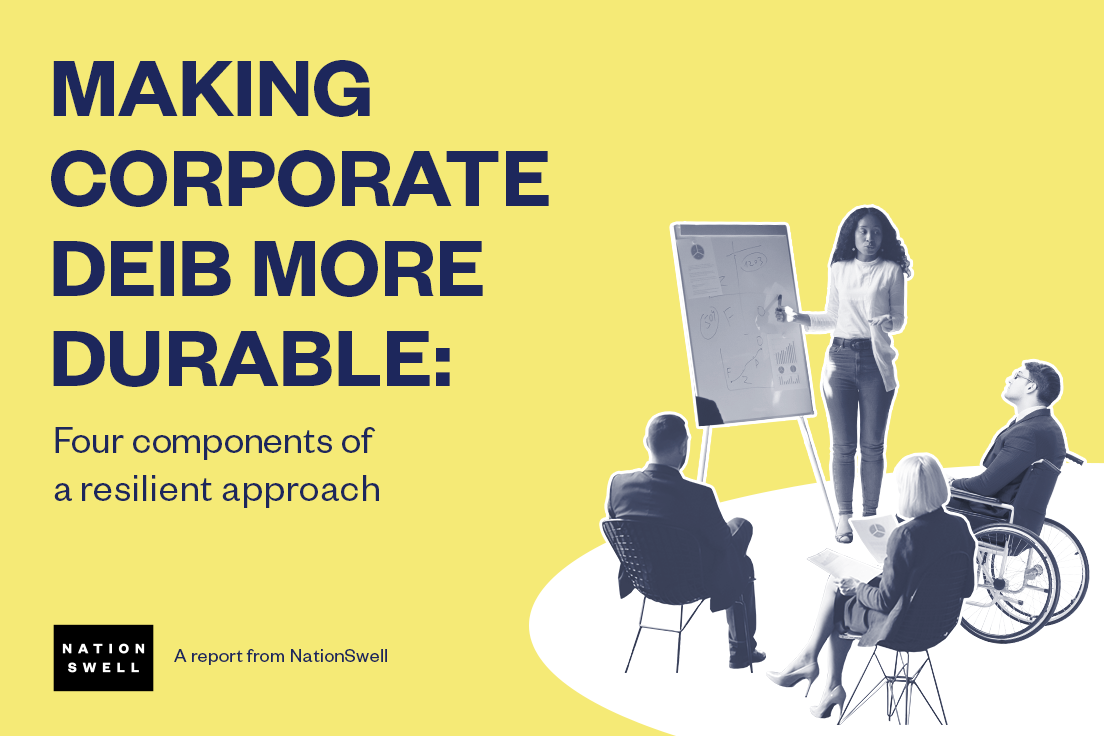
Are you a leader navigating DEI backlash and looking for clarity you can act on? This resource distills the political, cultural, and economic forces shaping corporate DEI, and unpacks how companies are responding to mounting threats. In this report, you’ll find actionable archetypes and strategic considerations to inform your organization’s path forward.


Share this report

Q1 2025 Social Impact Trends

Q1 2025 Social Impact Trends

Q1 2025 marked one of the most turbulent periods for the social impact sector since the COVID-19 pandemic. What emerged was a mix of reactive, proactive, and strategic responses: creating shared value, evolving DEI approaches, strengthening supports and deepening engagement, and advancing collective action.


Share this report

Place-based Impact Funders Guide

Place-based Impact Funders Guide

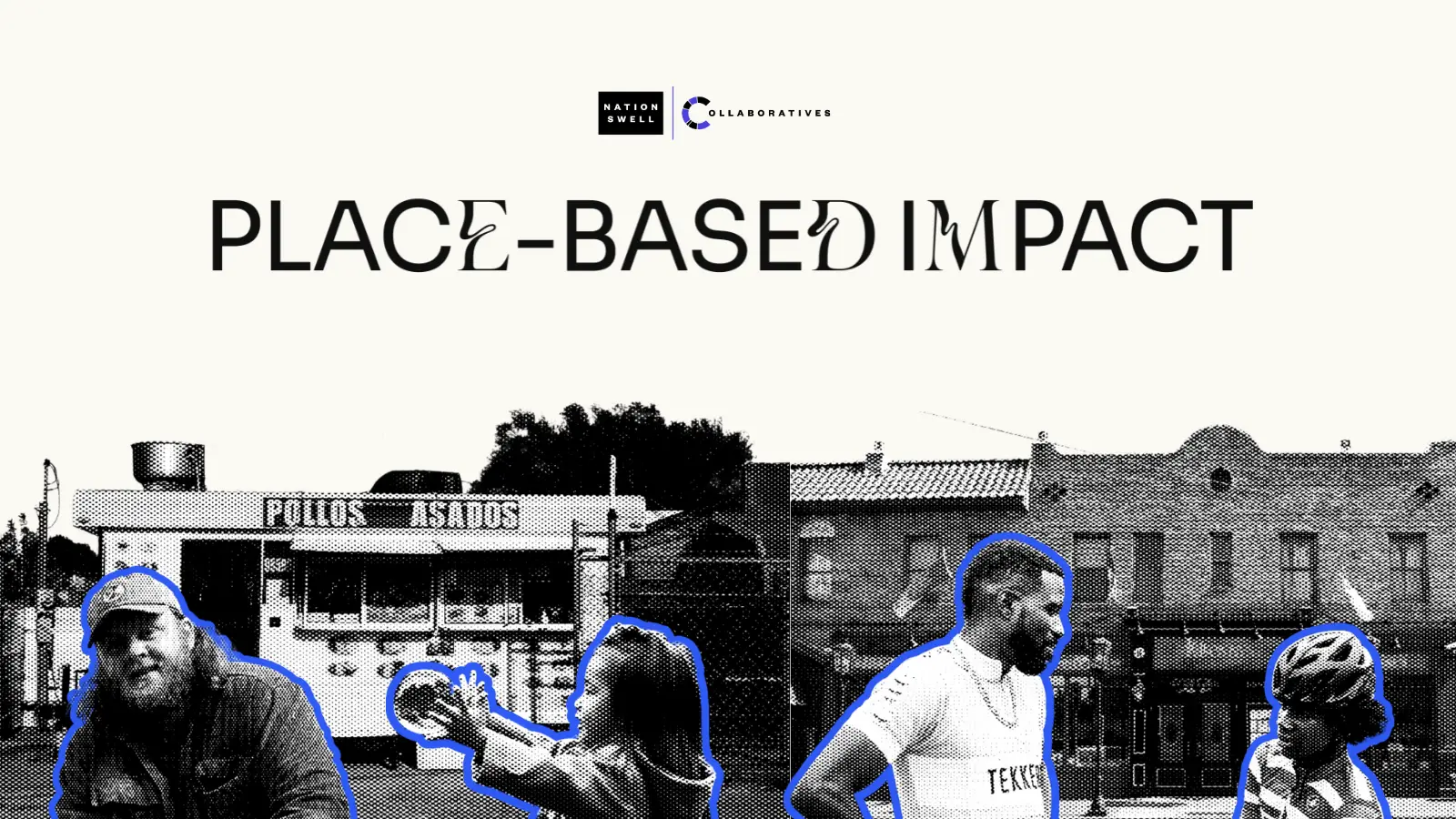
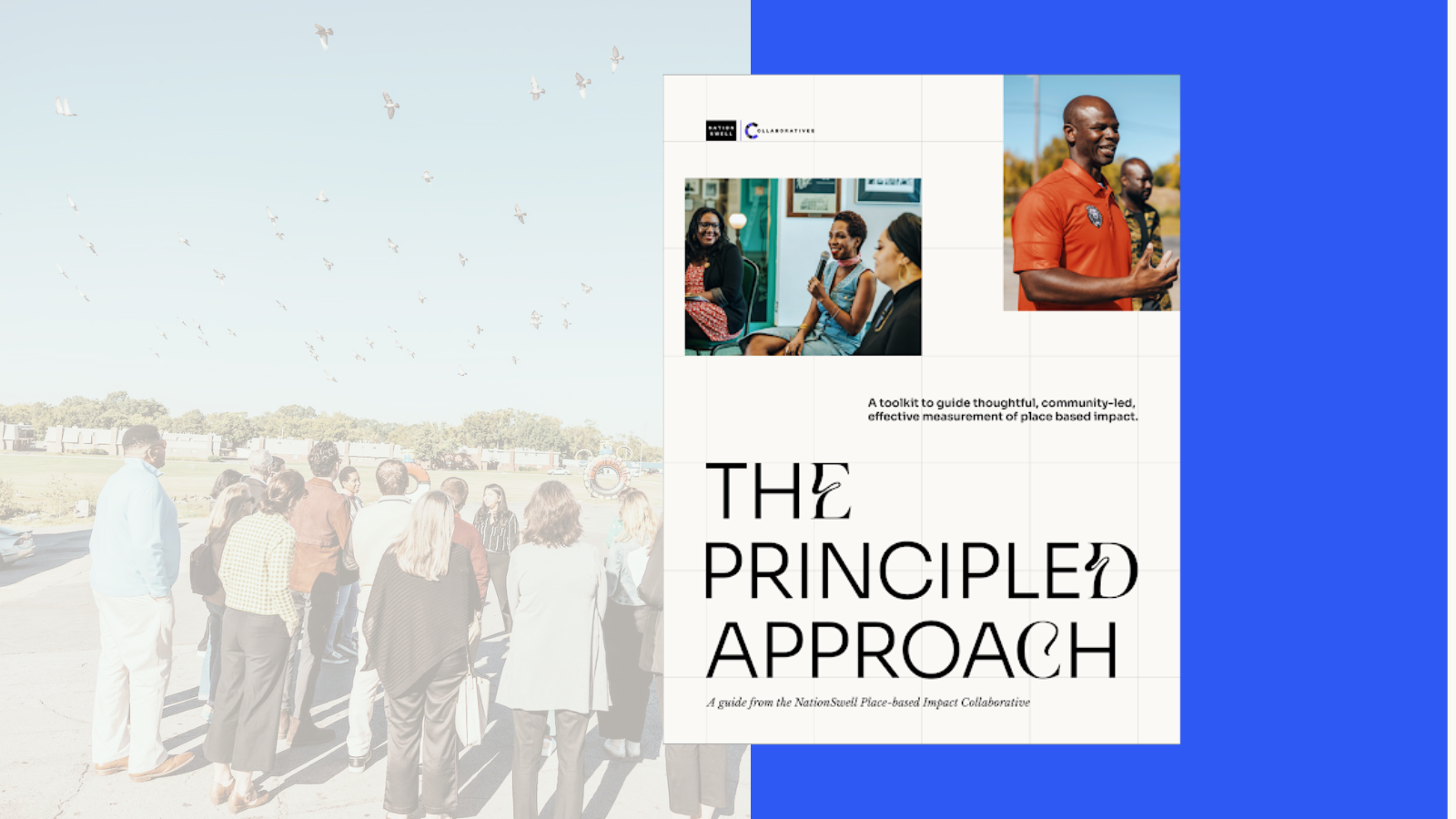
Place-Based Impact in Practice is an interactive guide designed to help funders and changemakers better understand, assess, and implement place-based strategies that create long-term community impact. Through practical frameworks, real-world case studies, interactive assessments, and a national action map, the platform explores how community-centered investment can help address challenges ranging from economic mobility to housing, workforce development, and climate resilience.

Built for philanthropy leaders, nonprofits, and cross-sector partners, the resource helps organizations move from theory to action by highlighting what effective place-based work looks like in practice and what it takes to build lasting, locally driven change


Share this report

Investing in employee well-being: innovative policies and benefits

Investing in employee well-being: innovative policies and benefits

CURATED COLLECTION

The COVID-19 pandemic served as catalyst for employers to invest more deeply and creatively in employee wellbeing, driven by fundamental changes to workplaces (e.g. remote work), implications for healthcare, family and childcare support, financial outlook, and more. Simultaneously, increased focus on racial justice and equity has heightened private sector commitments to inclusive workplace policies for marginalized communities. More recently, policy changes in the U.S. –  including the overturn of Roe v. Wade and the childcare cliff – have escalated the need for employers to increase benefits that supplement lack of government supports. 

Employees and companies alike are placing workplace wellbeing higher on their priority lists. 91% of employees find that their job plays a role in determining their wellbeing, and 57% report seriously considering quitting for a more supportive workplace. 76% of U.S. executives feel that expectations about workforce wellbeing are higher than in previous years, and 87% say that workforce wellbeing gives their company a competitive advantage. In addition to productivity and retention advantages, companies with higher employee wellbeing scores fare better financially, showing a superior return on assets, higher profits, and higher valuations.

When balanced with other core aspects of employee experience (including leadership behaviors and job design), inclusive employee policies and benefits can play a significant role in supporting holistic wellbeing. This Curated Collection provides the business rationale for and innovative examples of private sector wellbeing policies and benefits across five key areas: reproductive health, family care, paid leave, financial wellbeing, and mental health.


Share this report

Pivotal moments: Responding to social, cultural, and political events

Pivotal moments: Responding to social, cultural, and political events

EXECUTIVE BRIEFING

Frequent media headlines, debate on our national stage, and marked instances of backlash toward companies have mainstreamed the politicization of ESG. Although the underlying work of corporate social impact and sustainability remains in-tact and durable, newly mounting political pressures have created real headwinds for business leaders — headwinds that can fundamentally change how social impact and sustainability are practiced. To get more clarity on what impacts political backlash is having on corporate practices, NationSwell surveyed 74 corporate ESG leaders (VPs and above), and conducted in-depth interviews with 12 more (whose ranks include senior leaders from Fortune 100 and 500 companies). 

Our research surfaced one significant way that political pressure is impacting company behavior: it has sown a growing reluctance to speak out publicly on culturally sensitive and politically divisive topics. 

Whereas the social justice movements of 2020 normalized the activist CEO, the current moment is introducing new doubt in the boardroom and among management teams about the relative risks and rewards of taking public and participatory action when an issue is polarizing. If harnessed intentionally, this trepidation can provide a useful moment for companies to reflect, reevaluate, and reset the purpose and impact behind public responses. Companies need to consider their own credibility and opportunity for meaningful impact before making bold public statements or commitments. But too much restraint can be overcompensatory and damaging, both to society and to corporate interests. 

As we look ahead to continued global instability and social turbulence, the acuity of questions around if, when, and how to respond to social and political issues will only grow. In conversation with leaders and practitioners, we’ve surfaced four recommendations for companies to help them navigate ESG headwinds while considering the interests of their employees, customers, communities, and other stakeholders. These recommendations will be most effective if implemented together. We have also created four tools to support their direct implementation.

Recommendations:

  • Create mechanisms for understanding what employees and customers expect of your organization
  • Assess the impacts of sociopolitical issues on your company, and your company’s opportunity to influence those issues
  • Use a decision framework to weigh and resolve the best available information before acting
  • Consult an external advisory council to expand your perspective

Implementation tools:

  • Employee sentiment survey questions
  • How to create a social response scorecard
  • Template corporate social response scorecard 
  • Template Community Advisory Council charter

Share this report

How Johnson & Johnson is Accelerating a Health Equity Mindset: the Business Match Fund

How Johnson & Johnson is Accelerating a Health Equity Mindset: the Business Match Fund

In the U.S., health disparities for people of color relative to White individuals include higher rates of illness and death and less access to quality care. In response to longstanding and systemic healthcare inequities, Johnson & Johnson (“J&J”) launched its “Our Race to Health Equity” initiative (“ORTHE”) in November 2020. The bold under-taking “aspires to help eradicate racial and social injustice as a public health threat by eliminating health inequities for people of color” with a $100 million commitment over five years.

The company will invest half of ORTHE’s $100 million through external grants, programs, and initiatives by 2025. To embed a health equity mindset into J&J’s everyday business practice and strategy, J&J has also committed to driving change from within their large enterprise, allocating $50 million over five years to a Business Match Fund (“BMF”). The BMF is an incubator and catalyst for alignment at all levels of J&J by providing dollar-for-dollar co-investment alongside business units seeking to advance a health equity-oriented initiative in the United States. 

This case study details how Johnson & Johnson designed and executed the Business Match Fund to accelerate the adoption of a health equity focus across its divisions and, consequently, to seed large-scale organizational change. Their approach includes five core elements, explored further in the report:

  1. Design a funding approach that promotes innovation, long-term thinking, and engagement
  2. Use a varied toolkit to invite applications from across the enterprise
  3. Administer a layered and inclusive review process to select fund recipients
  4. Track impact centrally and regularly, leaving room for flexibility
  5. Tell the story of catalyzed impact internally and externally

Share this report